Apparel Search » Fashion Jobs » Career Guides » How to Become a Fashion Buyer
The Job Behind the Racks
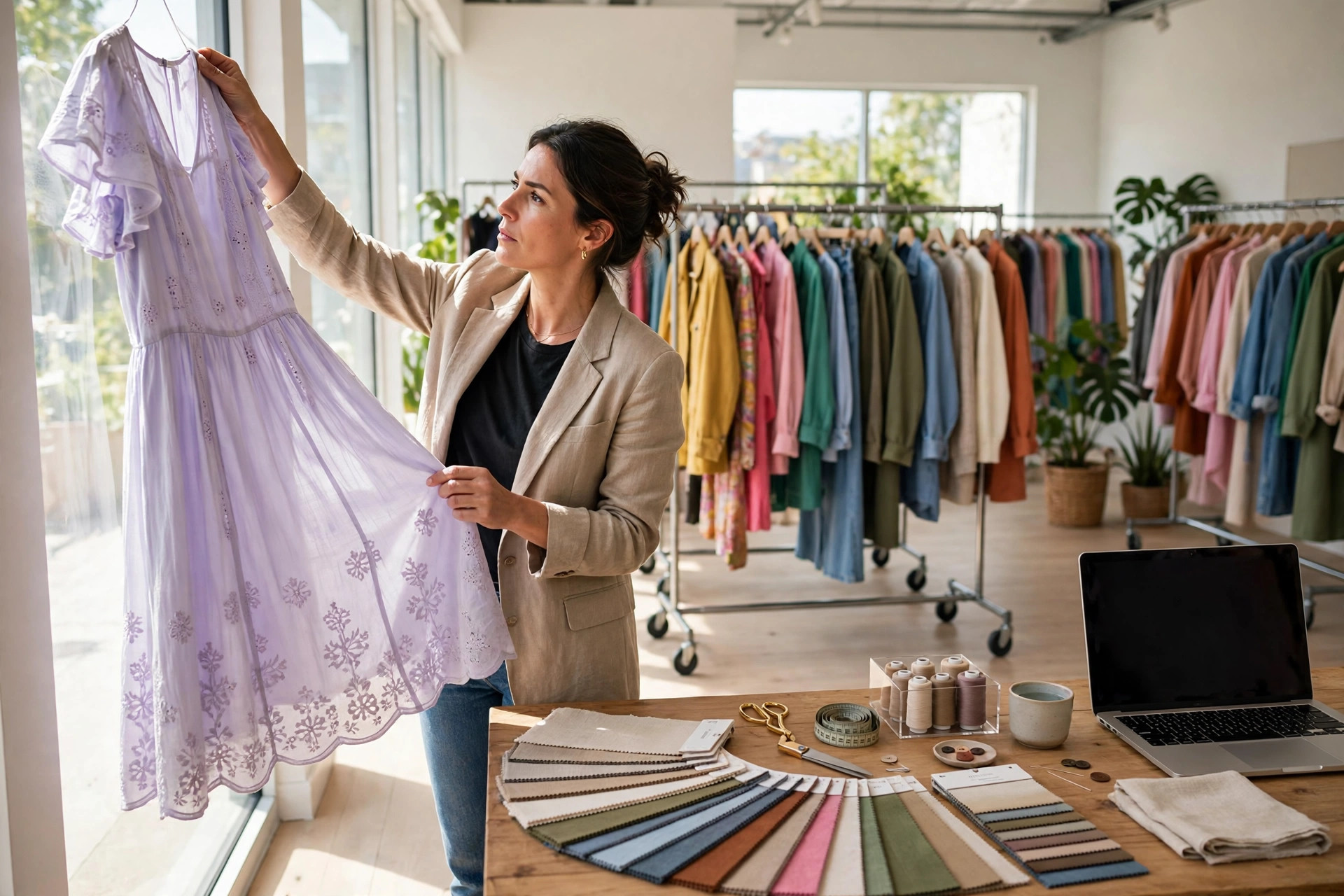
Every garment hanging in a store is there because a fashion buyer chose it. Buyers decide which styles, colors, sizes, and quantities a retailer will offer, months before shoppers see them, and they are judged on how well those choices sell. It is one of the most influential jobs in fashion: part trend forecasting, part negotiation, and a great deal of arithmetic.
This guide explains what fashion buyers actually do, the ladder most of them climb from assistant buyer to merchandise management, the skills and education that help, and how buying jobs are really filled. If you want the formal duties first, read our buying job descriptions, starting with the assistant buyer job description, since that is where most buying careers begin.
What Does a Fashion Buyer Do?
A buyer's work follows the retail calendar, usually planning a season six months or more ahead of when it reaches the floor. In a typical cycle the buyer studies last season's sales in detail, walks the market during market weeks to see what brands and manufacturers are offering, and builds an assortment plan: the mix of categories, price points, and depth of stock the store will carry. Then comes the negotiation over cost, delivery dates, and terms with vendors, and the writing of purchase orders against a budget called the open-to-buy.
The job does not end when the goods arrive. Buyers watch sell-through weekly, chase reorders on winners, mark down slow sellers before they eat the season's margin, and feed everything they learn back into the next plan. A buyer for a large chain may manage tens of millions of dollars of inventory in a single category, such as women's dresses or footwear, while a buyer at a small boutique may buy every department and also work the floor. The scale changes; the core loop of analyze, choose, negotiate, monitor, and react stays the same.
The Career Path: Assistant Buyer to Merchandise Manager
Buying is an apprenticeship trade. Almost nobody is hired straight into a full buyer's chair, because employers want to see judgment proven on smaller assortments first. The usual ladder looks like this:
- Buyer's assistant / assistant buyer. The entry rung: purchase orders, sample tracking, vendor communication, and sales reports. Unglamorous, and the best education in the business. See the assistant buyer job description for the day-to-day reality.
- Associate buyer. Owns a slice of a department, such as one classification within women's sportswear, under a buyer's supervision.
- Buyer. Full responsibility for a department's assortment, budget, and results.
- Senior buyer. Larger or multiple departments, and usually mentoring of assistants.
- Divisional merchandise manager (DMM). Oversees several buyers and the strategy for a whole division, such as all of menswear. The DMM job description shows how the role shifts from buying to managing buyers.
- General merchandise manager (GMM). The top of the merchant organization, setting direction across divisions, as described in the GMM job description.
Movement up the ladder is driven by results that can be expressed in numbers: sales growth in your category, margin kept, inventory turned over cleanly. Buyers also move sideways to grow: from a small store to a chain, from one category to a bigger one, or from retail buying into wholesale and brand-side roles.
Skills Buyers Need
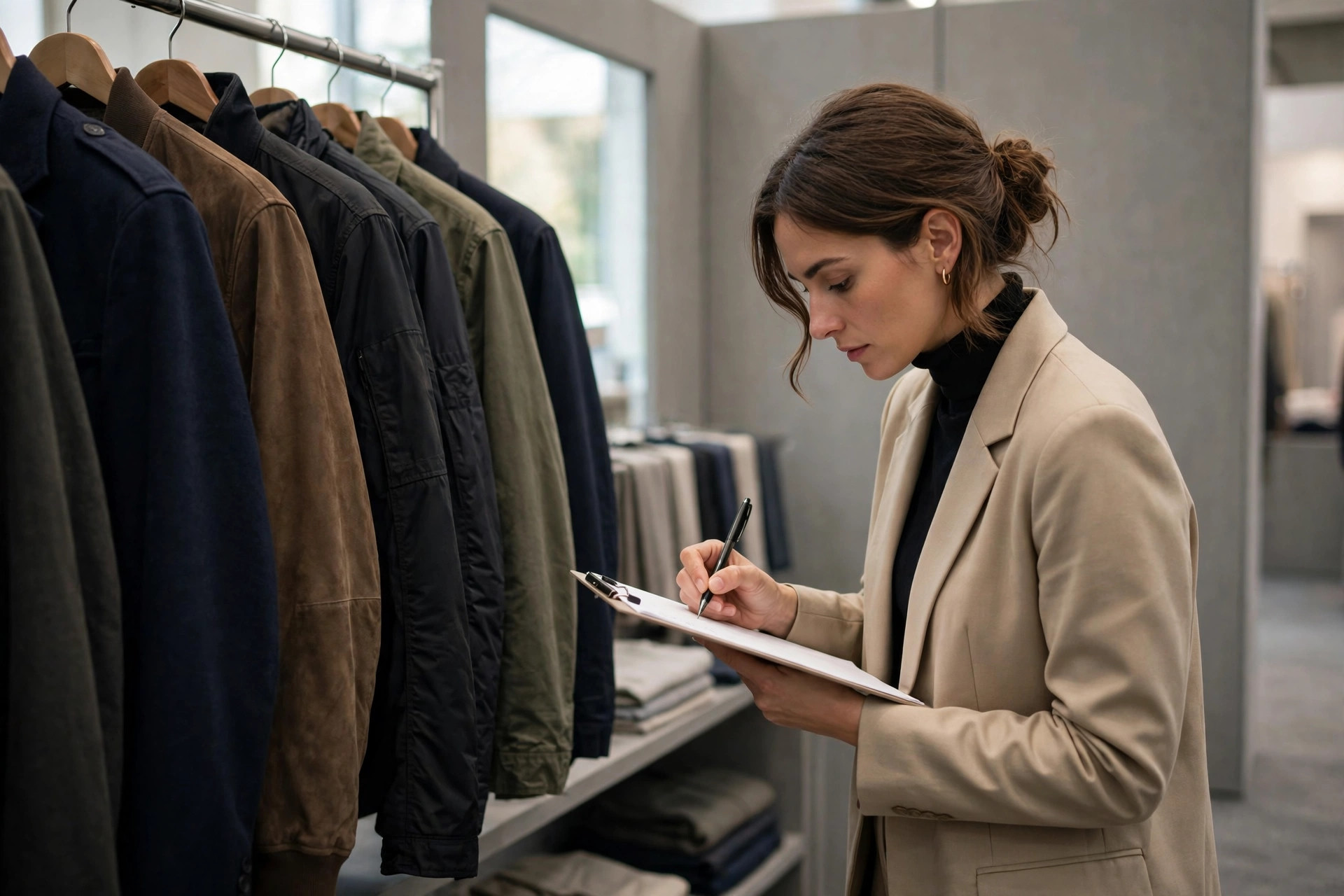
Retail math. This is the skill that surprises people. Buyers live in margins, markup, markdown percentages, sell-through rates, weeks of supply, and open-to-buy budgets. You do not need advanced mathematics, but you do need to be fast, accurate, and comfortable in spreadsheets. Weakness here ends more buying careers than weak taste does.
Trend and customer judgment. Numbers tell you what sold; they cannot tell you what will sell next season in your customer's size, climate, and price range. Good buyers visit stores, watch their actual customers, and know the difference between a trend that fits their shopper and one that only looks good in a showroom.
Negotiation and vendor relationships. Cost, delivery, exclusives, and support are all negotiated, and vendors share their best opportunities with buyers they trust and enjoy working with. The relationship side of buying is built over years of market appointments.
Analysis and communication. Buyers present their plans and results to management constantly. Clear writing, honest post-mortems on mistakes, and the ability to defend a choice with data are what get a buyer promoted.
Education and Training Routes
The most direct route is a degree in fashion merchandising, fashion marketing, or business, which covers retail math, textiles, and merchandising fundamentals and, just as importantly, puts you in internship pipelines with retailers. Many large chains and department stores run executive or merchant training programs that hire recent graduates and rotate them through stores, planning, and buying offices; those programs are the classic front door to corporate buying.
It is not the only door. Plenty of buyers started on the sales floor, where they learned the customer at ground level, moved into store or department management, and then crossed into a buying office. Independent boutiques in particular often promote from within. What both routes have in common is time spent close to product and customers, plus proven comfort with numbers. Internships matter on either path: a buying-office internship during school is the single strongest line on a new graduate's resume for this career.
How Hiring Works
Buying jobs are filled through a mix of company career pages, internal promotion, and the industry's specialized recruiters; our directory of fashion employment agencies exists because so much merchant hiring runs through people who know the market. Openings cluster around the retail calendar, since companies reorganize buying teams ahead of new seasons.
Hiring managers look for three things: a track record that can be stated in numbers, fluency in the specific category (a great denim buyer is not automatically a great dress buyer), and evidence that you know their customer. In interviews, expect to be asked what you would buy, what you would drop, and what the data says. Candidates who have actually walked the store and studied the assortment before the interview stand out immediately. When you land that interview, our fashion job interview questions guide covers what you are likely to be asked.
Common Questions
What is the difference between a fashion buyer and a fashion merchandiser?
The roles overlap and titles vary by company, which causes real confusion. In retail headquarters, buyers select and purchase the assortment, while merchandisers focus on planning how that product is presented, allocated, and sold through. In wholesale and manufacturing companies, a merchandiser is often the person who works between design, production, and retail accounts. Our companion guide, How to Become a Fashion Merchandiser, sorts the titles out in full.
Do fashion buyers travel?
Yes, regularly. Buyers travel to market weeks in the major fashion centers, visit vendor showrooms, tour competing stores, and sometimes travel overseas with sourcing and product development teams. The amount varies by company size and category, but a buying career without travel is rare.
Do I need a degree to become a fashion buyer?
For corporate buying offices at large chains, a degree in fashion merchandising, business, or a related field is commonly expected and is the normal way in. Independent stores and smaller companies are more flexible and often promote proven retail staff. Either way, demonstrated retail math ability and product knowledge weigh heavily.
How much math does a fashion buyer actually use?
Daily. Margin and markup calculations, markdown planning, sell-through analysis, and open-to-buy budgeting are the working language of the job, usually in spreadsheets. It is practical arithmetic rather than advanced math, but it must be quick and accurate.
Next Steps
Read the buying job descriptions by category to see how the role changes across accessories, footwear, childrenswear, and more. Browse the full career guides directory for other fashion careers, from design to styling, and return to the Apparel Search fashion jobs hub for listings, agencies, and resume resources when you are ready to apply.