Fashion Jobs in Miami
Miami — swim and resort labels, Latin American trade and a bilingual fashion marketplace
Miami fashion follows the water and the trade routes. Swimwear and resort clothing are designed here because the customers are here all year, and South Florida's position as the commercial doorway to Latin America and the Caribbean puts importers, exporters, distributors and bilingual sales teams into the same few neighbourhoods. It is a smaller market than New York or Los Angeles, but a distinctive one.
Alongside the trade sits a luxury and visitor economy: designer boutiques in Bal Harbour and the Design District, cruise and hotel retail, and a calendar of art, boat and swim events that keeps stylists, showroom staff and event dressers busy. This page explains where those jobs live and what employers in this city actually look for.
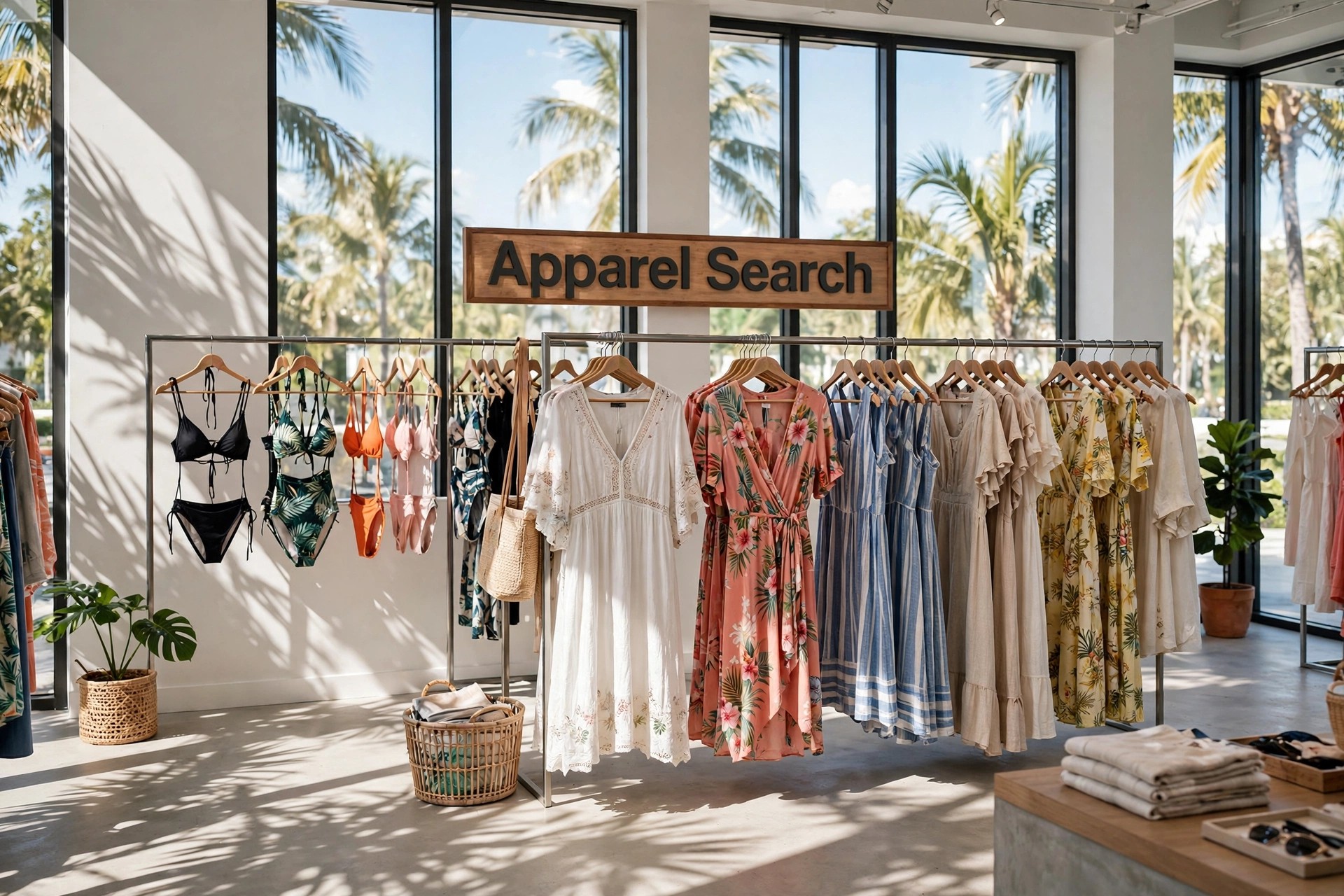
Swim, Resort and Warm-Climate Labels
Swimwear is Miami's signature category. Local labels hire designers and assistant designers who understand stretch fabrics, elastic tensions and fit on real bodies in the water, plus pattern makers, sample sewers and production coordinators who can manage the short, intense development calendar that a swim season demands.
Resort and cruise collections widen the work beyond swimsuits: cover-ups, sundresses, linen shirting and evening pieces for warm destinations. Merchandisers in this segment plan for two selling seasons that barely pause, and technical designers spend much of their time on fit sessions because a swim garment forgives nothing. Experience with stretch construction is the credential that opens doors fastest here.
Latin American Trade and Bilingual Sales
Wholesalers and distributors across Miami-Dade sell into the Caribbean and Latin America, and their teams look different from a domestic sales office. Export sales representatives, customer-service staff and credit and logistics coordinators routinely work in Spanish, and Portuguese is valued for the Brazilian trade. Showrooms receive visiting buyers whose trips combine Miami orders with family, banking and shipping arrangements.
Candidates who can discuss a line, a price list and a delivery schedule fluently in two languages stand out immediately. Knowledge of export paperwork, freight forwarders and the buying habits of island and mainland retailers is learned on the job, but employers screen hard for language fluency and for comfort with relationship-based selling.
Retail, Cruise and Visitor Fashion
Tourism supports a retail tier that ranges from luxury flagships to airport and cruise-related stores. Store management, clienteling associates who maintain books of international customers, visual merchandisers and stock and operations staff form the bulk of these roles, with the strongest selling weeks clustered around holidays, art fairs and the winter visitor season.
Hospitality-adjacent fashion work also appears in uniform programmes for hotels and cruise lines, wardrobe for events and productions, and personal shopping for visitors. These roles reward polished presentation, discretion and — again — languages. A stylist or associate who can serve a customer equally well in English and Spanish simply has more customers in Miami.
How Hiring Works in Miami
South Florida apparel is a relationship market on a human scale: owners know each other, staff move between neighbouring companies, and a recommendation from a trusted showroom manager carries real weight. Smaller firms often hire through agencies and direct outreach rather than large job boards, so the employment agencies and search resources linked below are a sensible part of any search.
Seasonality matters. Hiring for swim and resort lines builds ahead of the selling seasons, and retail adds staff before the winter influx. Present yourself accordingly: a swim or resort portfolio for design roles, evidence of bilingual customer work for sales roles, and flexibility about the wholesale districts of Doral and the downtown garment streets where many employers actually sit.
Common Questions
What fashion jobs is Miami best known for?
Swimwear and resort design, production and sales lead the list, followed by export wholesale serving Latin America and the Caribbean, and luxury and visitor retail. Miami is a specialist market: depth in swim construction or bilingual trade counts for more than a general fashion background.
How important is Spanish for Miami fashion jobs?
For trade, wholesale and customer-facing retail roles it is often the deciding qualification, because buyers and customers across South Florida and Latin America work in Spanish daily. Design and production applicants benefit too, but for export sales and clienteling positions fluency can matter more than years of experience.
When is the best time to look for fashion work in Miami?
Ahead of the seasons rather than during them: swim and resort employers staff up before their selling peaks, and visitor retail hires before the winter season. Because the market is small and personal, registering with local apparel agencies and staying visible between peaks is as useful as timing alone.