Fashion Jobs in New York
New York — the fashion capital's real advantages, and its real costs, weighed plainly
Working in New York fashion is special, and it is demanding, and any honest guide has to hold both truths at once. The city is regarded as the fashion capital of the world: top designers, global brands, famous schools and the industry's press and buyers all concentrate here, creating a range of work that no other American city fully matches.
Set against that are a high cost of living, intense competition for every desirable opening, and a pace that can consume evenings and weekends, especially around Fashion Week and market seasons. This page works through the advantages and disadvantages as they actually present themselves, then compares New York with the other hubs, so you can judge the move with clear eyes.
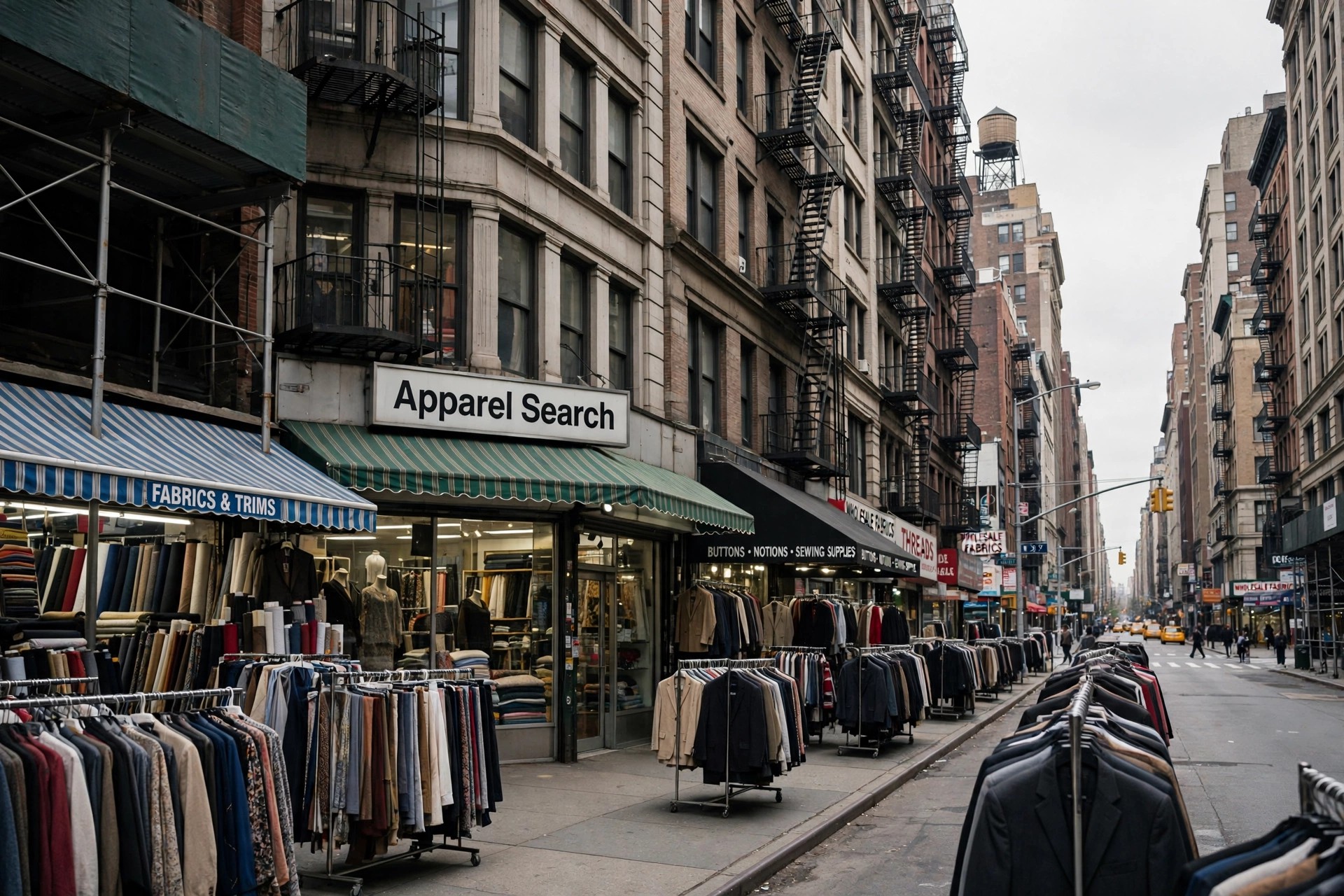
The Advantages: Concentration, Variety and Networks
Concentration comes first. Headquarters, showrooms, design studios, sample rooms, photographers, agencies and publishers sit within a small area, so a career can move between employers and specialisms without moving house. Career paths genuinely span design and merchandising, marketing and public relations, retail, media and corporate functions, and switching direction mid-career is normal rather than exceptional.
Networks compound the advantage. Fashion events, conferences, trade shows and informal industry gatherings happen constantly, and the people you meet become tomorrow's referrals. Graduates of schools such as FIT and Parsons feed the talent pool, cultural diversity keeps ideas fresh, and working for a leading brand here provides experience and credibility that employers everywhere recognise.
The Disadvantages: Cost, Competition and Pace
The cost of living is the famous drawback: housing, transport and daily expenses take a large share of early-career pay, and many newcomers share apartments far from the neighbourhoods where they work. Competition is the second: limited openings draw numerous strong applicants, and landing a chosen job may take persistence, timing and contacts rather than merit alone.
Pace and pressure follow. Deadlines are tight, seasons overlap, and peak periods such as Fashion Week bring long hours; stress is a real occupational hazard that has to be managed deliberately. Add crowded commutes across the transit system and the city's challenges are plain — none of them hidden, all of them worth pricing into a decision before you relocate.
Who Thrives in New York Fashion
The people who do well here tend to combine craft with stamina and curiosity. Designers and merchandisers who keep learning — new materials, new software, new customer behaviour — stay employable as brands change direction. Assistants who become indispensable to a team get promoted or poached; specialists who build a reputation in fit, production, digital commerce or a product category find the city's density works for them.
New York also rewards people who use it fully: visiting exhibitions and stores as research, attending talks, keeping a network warm and treating the city itself as continuing education. If you would rather have a quieter life and a narrower field, that is a legitimate preference — the next section exists precisely because New York is a choice, not an obligation.
New York Compared with Other Fashion Cities
Measured by concentration alone, New York offers more fashion openings and more diverse roles than most other United States cities, simply because more fashion companies base themselves here. But Los Angeles leads in entertainment-adjacent and casual categories, Miami in swim and Latin trade, and Chicago in Midwestern buying and operations; each hub has real strengths and, often, lower living costs.
Choose by fit, not by ranking. Match the city to your specialism, your finances and the life you want outside work, using the state and city careers pages linked below to compare markets. Many successful careers also sequence cities — training in New York, advancing elsewhere, returning senior — rather than treating the first move as permanent.
Common Questions
What are the biggest advantages of working in New York fashion?
Concentration and variety: more brands, showrooms, agencies and media in one place than anywhere else in the country, career paths spanning design, merchandising, marketing, retail and corporate work, constant networking opportunities, and schools such as FIT and Parsons feeding skills and contacts.
What are the main disadvantages to plan for?
A high cost of living that bites hardest early in a career, fierce competition for desirable roles, long hours and deadline pressure in peak seasons such as Fashion Week, and difficult commutes. None are secret; the candidates who struggle are usually those who budgeted for the job but not the city.
Is New York always better than other fashion cities?
No. It offers the deepest market overall, but Los Angeles, Miami and Chicago each lead in particular segments and usually cost less to live in. The right city depends on your specialism, finances and lifestyle — compare the linked city and state guides before deciding where to build.