Fashion Jobs in Chicago
Chicago — retail headquarters, Midwest buying power and the distribution hub of the middle of the country
Chicago is the fashion capital of the Midwest in the practical sense: fewer runway headlines than the coasts, but serious buying offices, retail headquarters functions, flagship stores and the warehouses that feed an entire region. Apparel moving to stores across the middle of the country frequently passes through decisions — or buildings — in and around this city.
That gives Chicago fashion careers a particular flavour. Merchandising, planning, allocation and logistics weigh heavier here than in design-led markets, while Michigan Avenue and the suburban malls sustain a substantial luxury and department-store retail workforce. This guide explains where the work concentrates and how Midwestern employers tend to hire.
Retail Headquarters, Buying and Planning
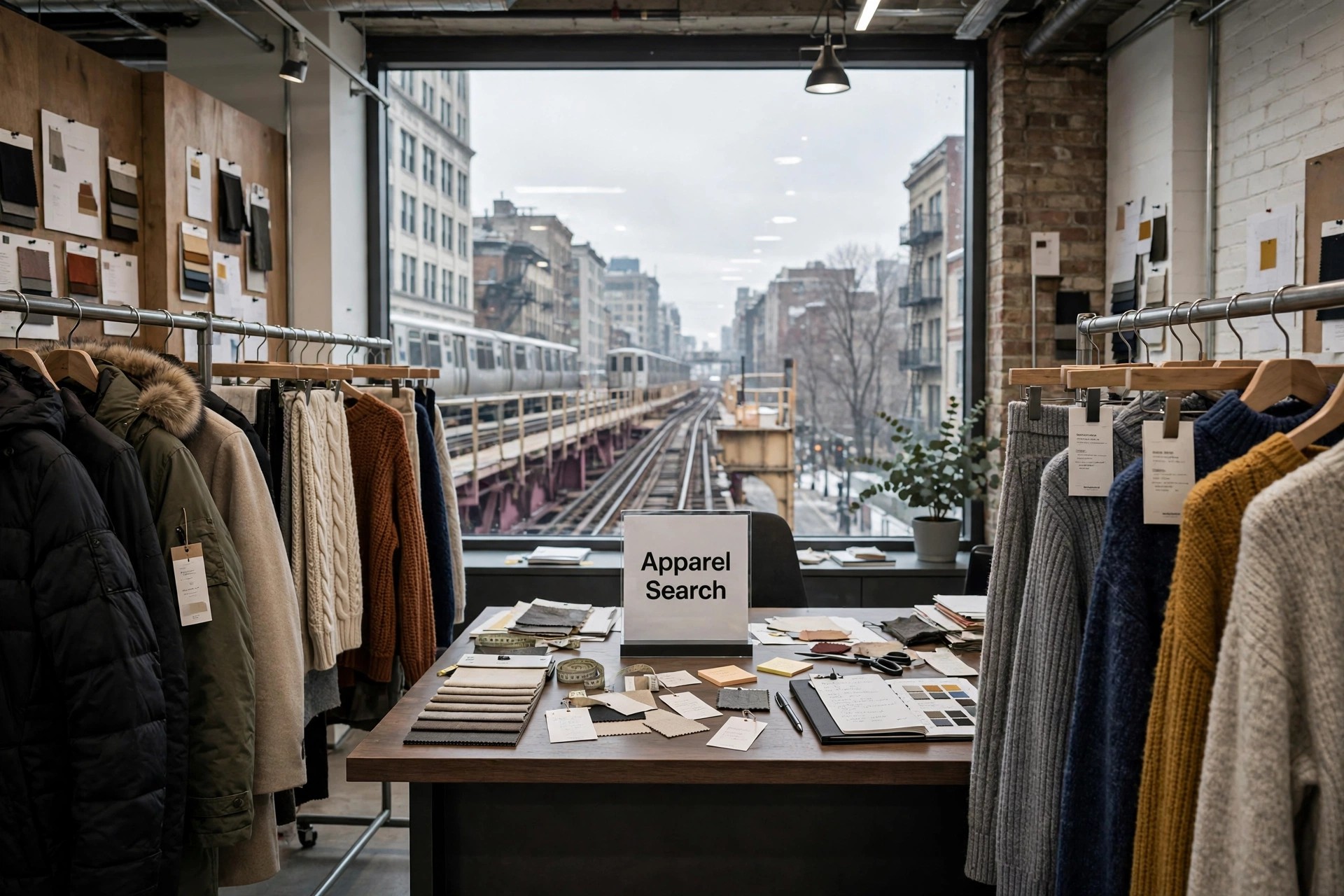
Retailers and apparel companies with Midwestern roots keep buying, planning and private-label development teams in the Chicago area. Buyers and assistant buyers, planners, allocators and product development staff build assortments for customers who need real winter clothing, and private-label teams work with overseas factories on price, quality and delivery for store brands.
These are analytical careers as much as creative ones. Employers screen for spreadsheet fluency, comfort with sales and margin data, and judgement about regional taste — a Chicago buyer who understands both a Michigan Avenue shopper and a small-town store customer is genuinely valuable. Internships and assistant roles in planning are common, well-trodden entry points.
Distribution, Logistics and Operations
The region's rail, motorway and air networks made it a warehousing centre, and apparel distribution centres across the suburbs employ operations managers, inventory specialists, quality and returns teams, e-commerce fulfilment staff and the analysts who keep stock flowing to hundreds of stores. Peak season adds large temporary workforces and the supervisors who run them.
Fashion graduates sometimes overlook this tier, which is a mistake: distribution experience teaches how the industry physically works, and operations careers offer clearer promotion ladders than many design rooms. Candidates who combine apparel knowledge with systems skills — warehouse software, forecasting, data reporting — are the ones these employers compete for.
Flagship Retail and Cold-Climate Specialities
The Magnificent Mile, Oak Street and the major suburban centres support flagship and luxury retail at scale: store leadership, department management, client advisors, visual merchandising and alterations. Chicago's climate also creates speciality demand — outerwear, boots, knitwear and layering expertise matter to customers here in a way they simply do not in Miami or Los Angeles.
Retail careers here reward tenure and local knowledge. Managers who can run a winter selling season, build a client book and keep a team through the January quiet period are prized, and department-store experience in Chicago has historically transferred well to buying and vendor roles on the wholesale side of the business.
How Hiring Works in Chicago
Midwestern hiring is steady and credential-friendly. Companies post roles through normal corporate channels, use apparel-specialist agencies for buying and product roles, and value candidates who present a stable record and concrete results — sales growth, margin improvement, inventory turns — rather than a purely creative portfolio.
Use the resources below to structure a search: the Illinois careers page for the wider state picture, job search engines for posted roles, and agencies for the buying-office market. Be prepared to look beyond the Loop — headquarters, studios and distribution employers spread across the suburbs from Schaumburg to the western corridors, and a willingness to commute within the metro area widens the field considerably.
Finally, take the winter seriously as a professional matter. Chicago apparel runs on a cold-climate calendar — outerwear deliveries, holiday staffing and January clearance shape the year's hiring and promotion decisions — and candidates who show they understand selling through a Midwestern winter, rather than despite it, sound like locals from the first interview.
Common Questions
What fashion jobs is Chicago best known for?
Buying, planning, allocation and private-label product development, plus apparel distribution and logistics, and a large flagship and department-store retail workforce. Chicago's strengths are commercial and operational: it is one of the best American cities for the business side of fashion.
Is Chicago a good place to start a fashion career?
Yes, especially in merchandising and operations. Assistant buyer, planning and allocation roles offer structured training and transferable skills, living costs sit below the coastal capitals, and Midwestern headquarters experience is respected by employers nationally when you later choose to move.
Where in the Chicago area are fashion employers located?
Buying and office roles cluster downtown and in the near suburbs, flagship retail concentrates on Michigan Avenue, Oak Street and suburban malls, and distribution centres spread along the motorway corridors. A realistic search treats the whole metro area — city and suburbs together — as one market.