Fashion Jobs in North Carolina
North Carolina — working textile mills, Triad apparel heritage and soft-goods skills that still employ people
North Carolina is where American textiles never entirely left. While much commodity production moved overseas, the state kept mills, dyeing and finishing plants, technical-textile producers and apparel companies that trade on speed, specialisation and proximity to customers. Fashion work here leans toward the making side of the industry — fabric first, garments close behind.
The geography spreads across several centres: Greensboro and the Triad carry the deepest apparel and textile heritage, High Point adds furniture and home textiles, and Raleigh, Durham and Charlotte contribute corporate, retail and distribution employment. This guide explains those segments and the practical skills North Carolina employers hire for.
Textiles: Mills, Technical Fabrics and Finishing
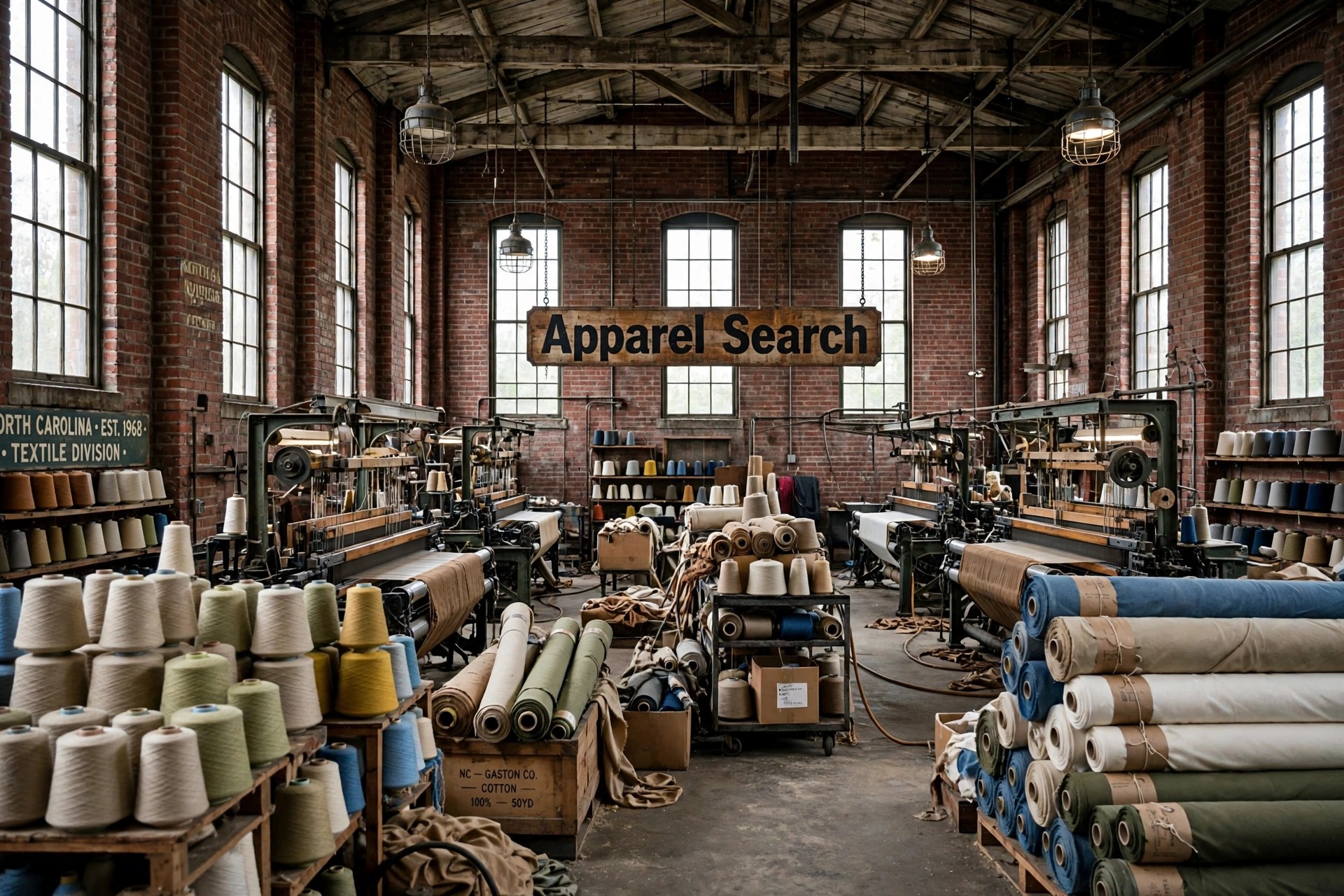
Mill work today is technical rather than nostalgic. Employers hire textile technologists, dye and finishing specialists, quality laboratory staff, production planners and maintenance and process engineers, producing everything from denim and hosiery to performance fabrics, nonwovens and fabrics for protective and medical uses.
Candidates with textile science, chemistry or engineering backgrounds find a market that actively wants them, and the state's universities supply relevant programmes and research partnerships. Even design-minded applicants benefit: a merchandiser or product developer who understands yarn, construction and finishing speaks the language of the suppliers every brand depends on.
Apparel Companies of the Triad
Greensboro and its neighbouring towns host apparel and hosiery companies whose offices need product developers, designers for basics and legwear, sourcing and production coordinators, sales staff serving national retailers, and the finance and systems teams of any working headquarters. Basics and replenishment categories dominate: programmes that run year after year rather than chasing trends.
That steadiness shapes careers. Product roles here involve cost engineering, fabric platforming and long retail relationships, and employers value people who improve a running programme incrementally — a better fit block, a cleaner cost, a more reliable delivery — over those hunting for a runway moment.
High Point, Home Textiles and Furniture-Adjacent Work
High Point's furniture industry pulls apparel skills sideways into soft home goods: upholstery fabric, cushions, drapery and bedding need textile designers, colourists, specification writers and sales teams who understand both fabric performance and furniture construction. The twice-yearly furniture market also creates showroom, merchandising and temporary specialist work.
This crossover is a genuine North Carolina advantage. A textile designer or sales professional willing to work across apparel and home categories doubles the local employer list, and experience with durability testing, flame and abrasion standards and large-pattern repeats is scarce enough to be valuable.
Retail, Distribution and How Hiring Works
Charlotte and the Triangle add the consumer-facing tier: mall and speciality retail, outlet centres, and distribution operations serving the Southeast, with the management, visual and logistics roles those require. Statewide, employers hire steadily and practically, often through referrals within a mill-and-office community where reputations are known.
Prepare with evidence of making-knowledge: fabric and testing familiarity for mill and product roles, data and systems skills for planning and distribution, and a record of reliable production work. The state careers page, agencies and search resources below round out a search that should span the Triad, High Point, Charlotte and Raleigh rather than any single city.
One more North Carolina trait is worth knowing before you apply: many employers are long-established, family-influenced or employee-owned businesses that promote from within and keep staff for decades. Interviews here often weigh reliability, community reputation and willingness to learn a company's particular way of working as heavily as credentials, so references from within the regional textile community carry unusual weight, and a candidate who has stayed and grown somewhere is read as a promise, not a lack of ambition.
Common Questions
What fashion and textile jobs is North Carolina known for?
Textile production and technology — weaving, knitting, dyeing, finishing and technical fabrics — plus apparel product development in basics and hosiery around Greensboro, home-textile and upholstery fabric work near High Point, and retail and distribution roles in Charlotte and the Triangle.
Do North Carolina textile employers hire designers?
Yes, but usually textile and product designers rather than runway fashion designers: print and weave design, colour work, product development for basics and legwear, and upholstery and home-textile design. Pairing design skill with construction, testing and costing knowledge makes a candidate markedly stronger here.
Which North Carolina cities should a job search cover?
Greensboro and the Triad for apparel and mills, High Point for furniture-adjacent textiles, and Charlotte plus Raleigh-Durham for corporate, retail and distribution work. The state functions as several overlapping markets, and most serious searches check all of them.
More Fashion Job Locations
- Fashion Jobs in Los Angeles
- Fashion Jobs in Miami
- Fashion Jobs in Chicago
- Fashion Jobs in New Jersey
- Corporate Fashion Jobs in New York City
- Fashion Jobs in New York
- Fashion Jobs in North Carolina (you are here)
- Fashion Jobs in South Carolina
- Fashion Jobs in Texas