Woven Fabric Wholesalers and Distributors
Wholesalers and distributors sit between the mills and the makers, buying woven fabric in production quantities and reselling it by the bolt to manufacturers, retailers and designers. This guide explains how that channel works and lists the distributors from the original directory.
How the Wholesale Fabric Channel Works
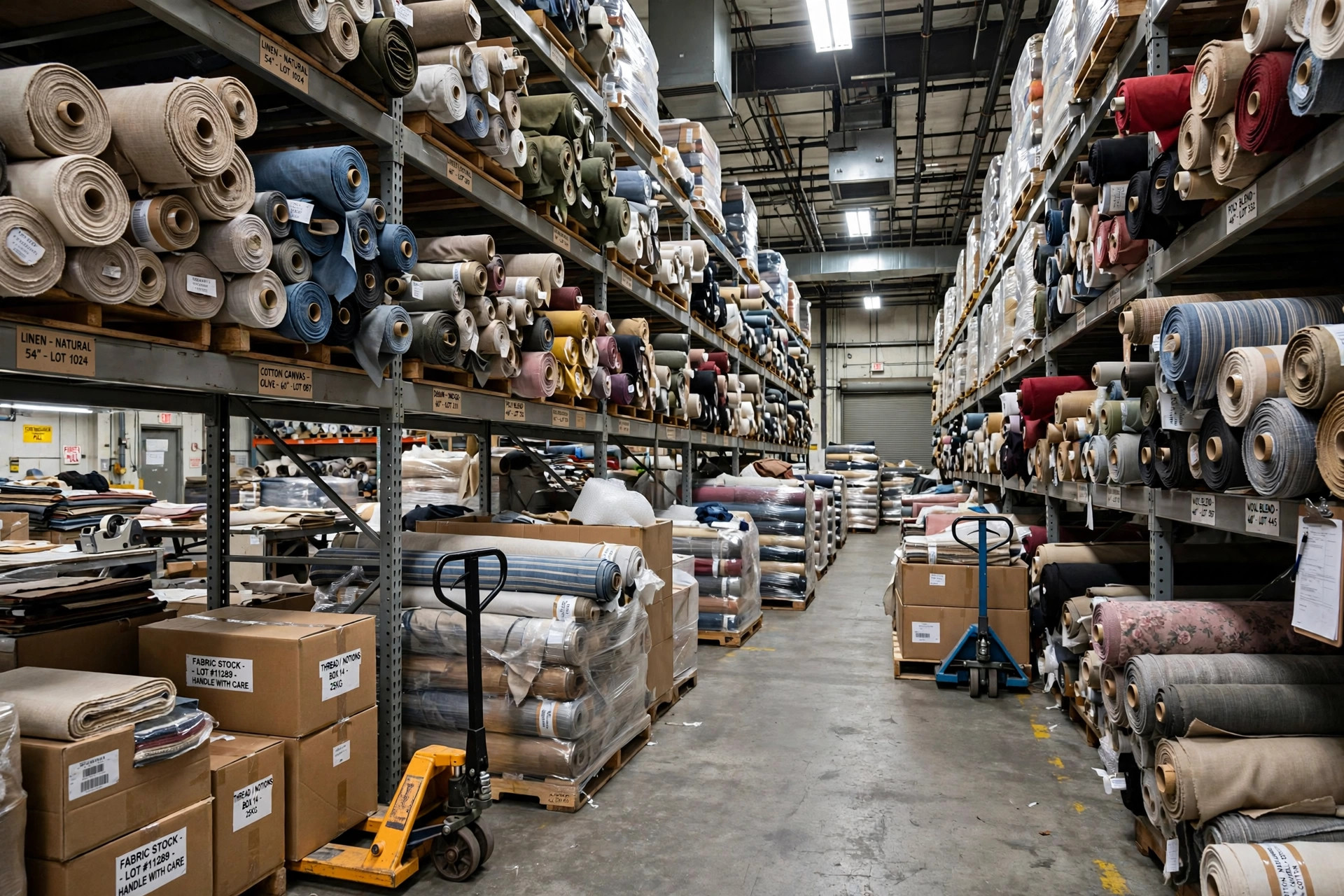
Most woven fabric does not travel directly from a mill to the company that sews it. Mills weave efficiently in large runs, while garment manufacturers, costume and set designers, interior designers and fabric stores need smaller, varied quantities on shorter timelines. Wholesalers and distributors bridge that gap: they purchase mill production and imported fabrics, hold stock in warehouses, and sell by the bolt or roll to trade customers. A stocking distributor can ship standard constructions quickly because the fabric is already woven, dyed and sitting on a shelf.
Within the channel there are distinct roles. Full-line distributors carry broad assortments across many fabric categories. Jobbers specialize in off-goods and closeouts — first-quality overruns, cancelled orders and surplus mill production sold at promotional prices, which rewards flexible buyers. Specialty distributors focus on a niche, such as handwoven fabrics, woven jacquard ribbons and trims, or spandex and performance fabrics. Understanding which type you are dealing with sets expectations for price, availability, exclusivity and whether a fabric can be reordered once stock runs out.
Buying Woven Fabric Wholesale
Wholesale buying is normally restricted to businesses, and distributors typically ask for a resale certificate or tax ID, a minimum opening order, and payment terms that may start as prepayment or card before an account history supports net terms. Pricing is quoted per yard at bolt quantity and improves with volume, with freight charged separately. Because distributors sell from stock, the practical questions are availability today, the number of yards per bolt, the usable width, and whether the same construction and color can be replenished for a continuing program.
Sampling still matters at trade level. Request swatches or a cutting for approval before placing a bolt order, and where color is critical, confirm the dye lot, since batch variation is a normal feature of textile production that good distributors work to keep minimal. For closeout and jobber goods, assume the stock is finite: if a style anchors a product line, buying cover for the full season at once is safer than planning reorders. Clear communication about end use — apparel, sportswear, protective clothing, interiors or events — helps distributors steer you to fabrics with the right weight and finish.
Who Buys From Woven Fabric Distributors
The customer base for woven fabric wholesale is broad. Apparel manufacturers buy shirting, bottomweights and linings; sportswear and corporate-clothing makers buy fabrics with moisture-management and sun-protection finishes; costume and set designers for film, stage and theme parks source distinctive and handwoven fabrics; interior designers buy drapery and upholstery wovens; and independent fabric stores restock their bolts from distributors rather than from mills. The distributors below reflect that spread, from general textile houses to a handloom specialist and a woven ribbon specialist.
If you are a retail customer sewing for yourself, wholesale listings are still useful background — they show where fabric stores source their stock — but minimums and trade requirements mean the retail store pages in this section will usually serve you better. New trade buyers should start with one or two distributors whose ranges match their product, open accounts properly, and build the reorder history that makes the channel work smoothly over a season.
Geography plays a part as well. Distributors clustered in garment districts can offer will-call pickup and fast local delivery, while national distributors compete on range and stocked depth. Freight cost on heavy bolts of woven fabric is significant, so a slightly higher per-yard price from a nearby warehouse can still produce the lower landed cost. Comparing delivered cost per yard — fabric, freight and any cutting or handling charges combined — is the reliable way to judge competing wholesale offers.
Woven Fabric Wholesalers Listed in This Directory
The distributors below are summarized from the original directory. Product ranges, minimums and terms change, so confirm current stock programs and account requirements directly with each company.
Broadway Textiles
Australian textile company with roots in the early 1950s, now specializing in fabrics for sportswear, corporate and protective clothing, with moisture-release fabrics, UPF 50+ sun-proofing options, dye matching and same-day dispatch for early orders.
Handloomed Textiles of Nepal
U.S. distributor of hard-to-find handwoven fabrics at wholesale prices, stocking plain weaves, twills, waffles and jacquards in many styles and colorways, with custom design available and no minimum on in-stock items.
I. Karten Bermaha Textile Co
Woven textile jobber since 1950 and supplier of off-goods at promotional prices to the apparel fabric industry, serving export and domestic users across many categories of goods.
Perfect Textiles
Wholesale distributor of all types of woven fabrics, supplying manufacturers and over-the-counter fabric retailers with first-quality fabrics, both imported and from domestic textile mills.
Renaissance Ribbons
Wholesale distributor of woven jacquard ribbons and trims, warehousing a large range of exclusively designed woven jacquard ribbons in California plus thousands of imported French ribbon and trim choices.
Spandex Warehouse
Los Angeles Fashion District fabric source shipping orders nationwide, with a wide array of fabrics including denim, cotton, dancewear and lingerie fabrics in many colors and weights.
Common Questions
Who can buy from a fabric wholesaler?
Wholesalers sell to businesses — manufacturers, retailers, designers and production companies — usually requiring a resale certificate or tax ID and a minimum order. Retail sewers generally buy the same fabrics through fabric stores instead.
What is a textile jobber?
A jobber buys surplus production, overruns and closeout fabrics, often called off-goods, and resells them at promotional prices. Prices can be attractive, but stock is finite and reorders of the same fabric are rarely possible.
How is wholesale fabric usually priced and shipped?
Wholesale woven fabric is priced per yard at bolt or roll quantity, with better pricing at higher volumes. Freight is normally extra, and distributors ship from warehouse stock, so availability and dye lot should be confirmed when ordering.
More to Explore
References & Further Reading
Looking for Fabric Mills and Suppliers?
See how wholesale fits the full supply picture in the Apparel Search fabric directory and the Fabric Search guide.