Yarn-Dyed Fabric: Guide to Yarn-Dyed Fabric
Welcome to the yarn-dyed fabric hub of Fabric Search. This guide has been designed to help members of the textile and fashion industries learn what yarn-dyed fabric is, and then find the mills, wholesalers and stores that produce and sell it, all from one starting page.
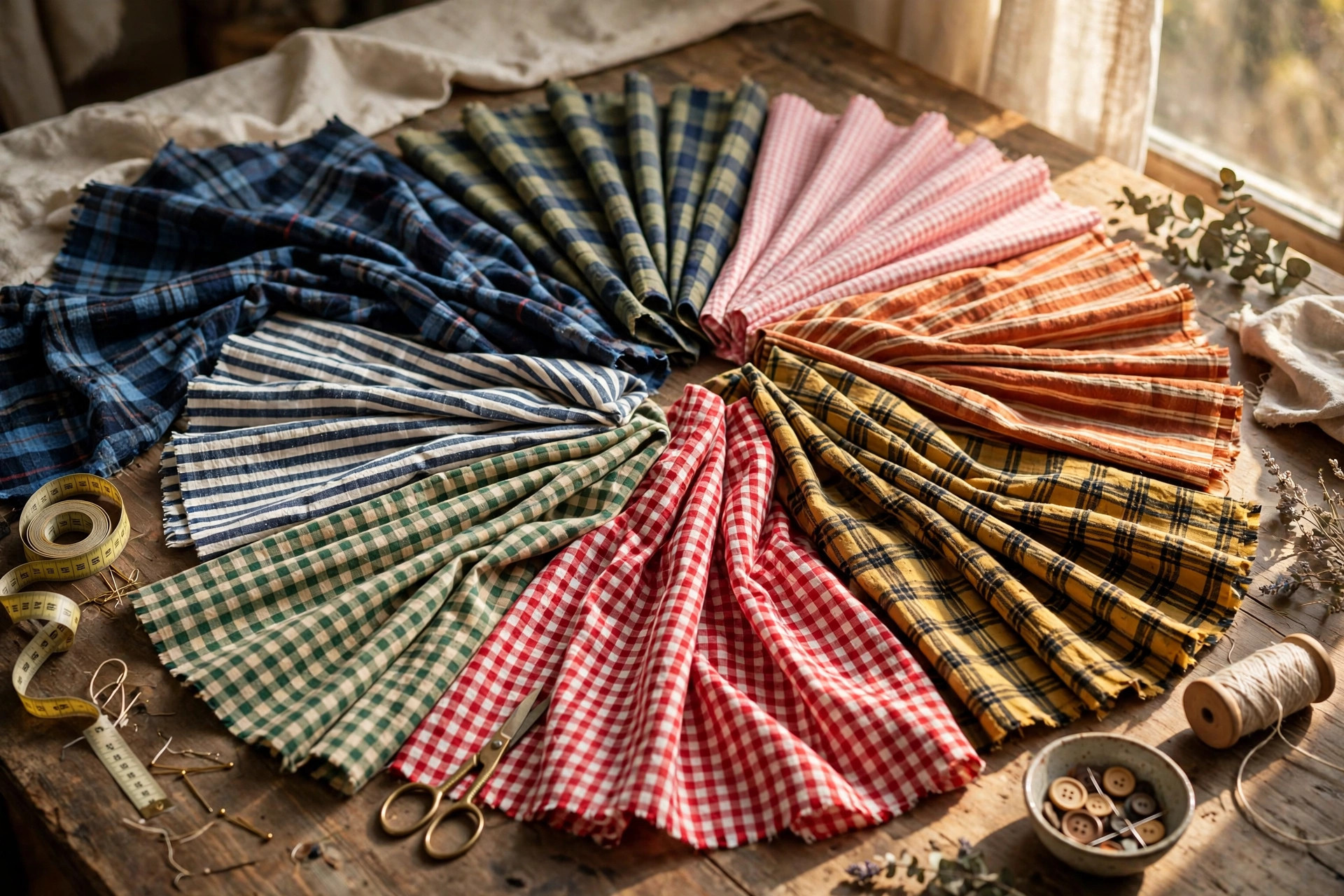
What This Hub Covers
Yarn-dyed fabric is cloth woven from yarns that were dyed before weaving, following spinning and before the fabric existed. That single fact explains everything distinctive about the category: stripes, checks and plaids are not printed onto the surface but built into the structure, showing on both faces of the cloth, keeping crisp edges where colours meet, and holding their colour well through washing because the dye penetrated the yarn itself. The fabric guide page linked from this hub explains the process, the dyeing methods and the best-known yarn-dyed cloths in full.
Demand for yarn-dyed fabric is wide across the garment industry and beyond it, from shirting and dresses to home textiles, because few other constructions deliver a durable, two-sided woven pattern. This hub organises the category the way buyers actually work through it: first understand the fabric, then find who weaves it, then who stocks and distributes it, then where it can be bought at retail. Each of those steps has its own page in this section, and each page carries the listings and detail appropriate to that stage of the supply chain.
Learn the Fabric First
Start with the Yarn-Dyed Fabric page if the term itself is new. It explains how yarn is dyed by total or partial immersion, by package, hank and warp dyeing methods, and how that differs from dyeing and finishing fabric after weaving. It also shows how to recognise genuine yarn-dyed cloth by turning it over, since a woven check appears on the reverse while a printed one does not, and it covers the classic constructions every buyer meets: gingham, madras, seersucker, oxford cloth and striped poplin shirtings.
That grounding pays off in every later conversation. A buyer who can talk about dye lots, colourways, warp and weft pattern repeats and colourfastness will get precise answers from mills and wholesalers, and a retail customer who knows why yarn-dyed fabric costs more than a comparable print can judge whether the difference is worth paying for a particular garment. The definition is short, the vocabulary is manageable, and the rest of this section builds directly on it, so a few minutes on the fabric page is the best preparation for the directories that follow.
Mills, Wholesalers and Stores
The Yarn-Dyed Fabric Mills page lists manufacturers and exporters that weave this cloth, from integrated exporters with broad yarn-dyed ranges covering seersucker, dobby, poplin and linen blends to specialist mills producing cotton, bleached, printed and yarn-dyed wovens under strict stage-by-stage quality checks. The Wholesalers page lists distributors, including open-stock wholesale houses with custom sourcing departments, a woven textile jobber handling off-goods, and the long-standing distributor of handloomed fabrics, who together keep yarn-dyed designs available in buyable quantities.
The Stores page completes the chain with retail fabric stores whose ranges include woven and yarn-dyed fabrics, where makers can buy cut lengths, request samples and get cutting-counter advice on matching checks and plaids. Moving between the three pages shows the same design at three scales: woven by the piece at a mill, held by the roll at a wholesaler, and cut by the metre at a store. Most visitors need only one of the three, but seeing the whole chain makes minimums, lead times and price differences between the levels much easier to understand.
Choosing Your Route Through the Guide
If you are developing a garment range, begin at the mills page for woven-to-order production, or at the wholesalers page if you need a stocked design quickly and in a smaller quantity than a mill order allows. If you are a home sewer or an independent designer buying for a single collection of samples, the stores page is the practical entry point, and its advice on checking the reverse of the cloth and allowing extra fabric for pattern matching will save material and money. Students and researchers should start with the fabric explanation and use the directories as a map of the trade.
Suggestions for improving this guide are always welcome, and additional mills, distributors and stores that genuinely work in yarn-dyed fabric are added as they are verified. Thank you for visiting the yarn-dyed fabric section of Fabric Search. Whether the search ends in a container of shirting, a single roll of gingham or one metre of madras for a summer shirt, the aim of this hub is the same: to make a distinctive and widely used category of cloth easy to understand, and its suppliers easy to find.
Looking for Fabric Mills and Suppliers?
This category is one part of the Fabric Search directory; explore the full fabric section on Apparel Search for other dyed, printed and woven fabric categories.