Hair Colors & Hair Color Trends
Trendy shades for every base color and complexion — and how to choose yours.
If you have been feeling stuck in a hair rut lately, it might be time to switch up your look and try a brand new hair color. Hair color trends come and go, but certain shades are perennial favorites, and whether you are looking for something classic or adventurous, the trendy hair colors below are sure to turn heads. This guide explains the shades, the application types — permanent and semi-permanent color, root touch-ups, highlights, removers and bleaches — and the brands and trend sources worth following, with a do-it-yourself angle from the DIY fashion guide for readers who color at home.
Hair color is chosen against complexion, wardrobe and style at once, which is why it belongs in a fashion color guide: the shade that flatters your skin has to live with the clothing colors you wear every day. The companion cosmetic colors guide in the resources above covers the makeup half of that coordination.
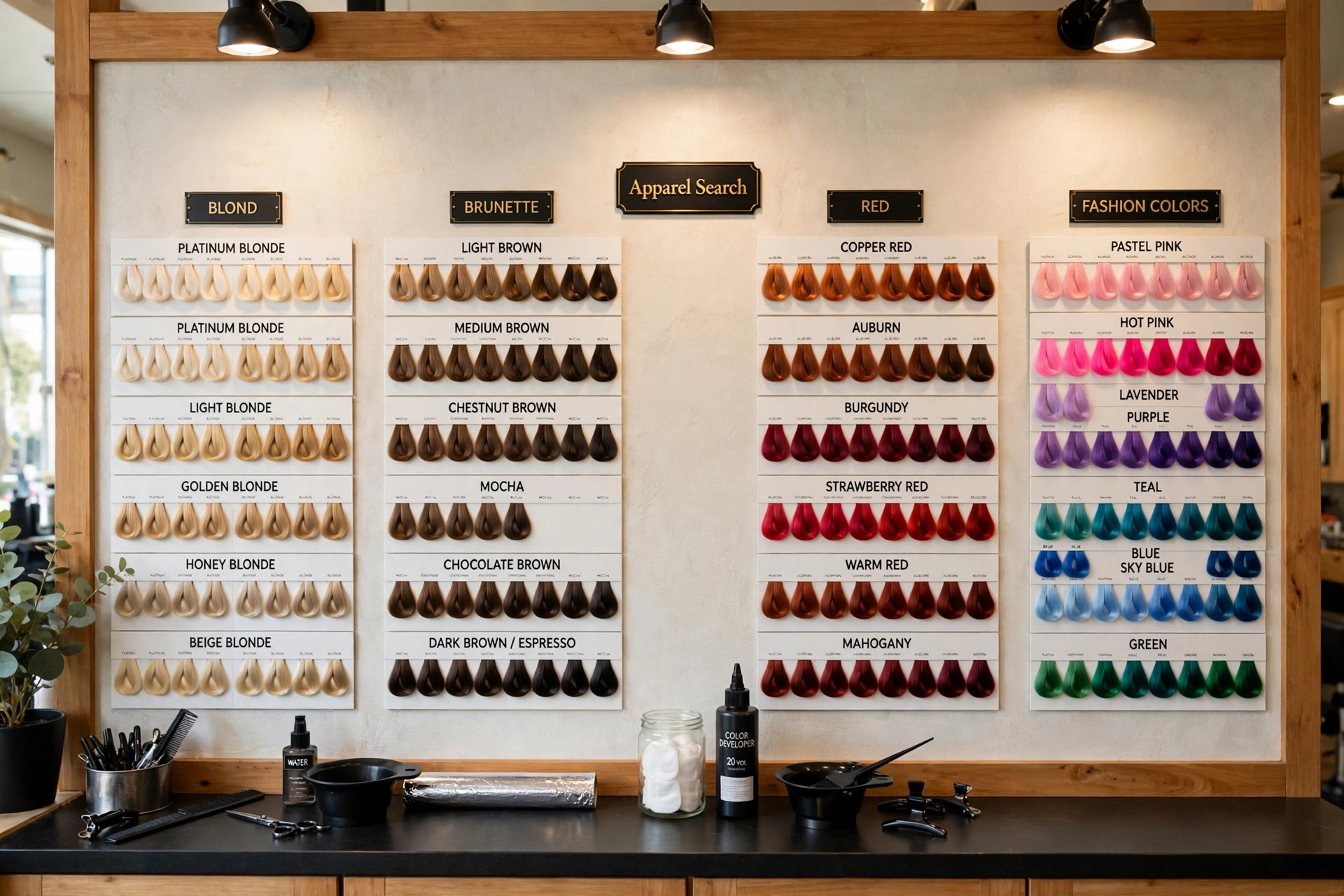
The Trendy Shades
Auburn. This warm, earthy hue is one of the most popular hair colors for women. Auburn is flattering for all skin tones and looks especially good with brown eyes. Depending on your base color and the look you are going for, you can opt for a subtle auburn or something more dramatic, like copper or mahogany. Caramel. Caramel is a classic hair color that looks good on everyone; whether you are a brunette or a blonde, it adds warmth and sophistication, and it is a great way to update your look without making a drastic change.
Ash blonde. Blonde can be tricky to pull off, but ash blonde is a great way to start. This cool-toned shade looks great on pale skin and pairs well with light eyes; for a more dramatic look, try an icy platinum blonde. Silver. Silver is an unexpected yet striking hair color that gives an edgy, modern look. It looks particularly good on darker skin tones and is a great way to make a statement. Rose gold. Rose gold is a unique shade that looks good on all skin tones — a subtle way to add a bit of color without going for a full-on pink; for a more intense look, try a vibrant pastel pink.
Beyond the headline shades, most readers fall into a familiar family — blonde hair, brown hair, red hair, brunette hair, or managing gray roots — and the right question is usually which direction to move within it: lighter or darker, warmer or cooler, with or without highlights. Topics worth researching before committing include this year's hair color trends, why stylists dislike boxed color, how to choose a color for your complexion, whether hair dye is harmful and what the healthiest options are, the best dye brands, how to preserve color so it lasts longer, and how to make a DIY hair mask.
Types of Color and Care
The product types divide by commitment. Permanent hair color is for lasting change and full coverage. Semi-permanent hair color fades over time and suits experimentation. Root touch-ups extend a color between full applications, and hair highlights add dimension without changing the whole head. Hair color removers and faders correct mistakes or clear the way for a new shade, and hair color bleaches lift the base so light and pastel shades become possible. At-home hair color products and hair dyes cover all of these jobs, and no matter what your base color is, there is a trendy hair color out there for you — from classic auburn to daring silver, these shades give a fresh and stylish look.
Brands and Trend Sources
- Clairol — an American personal care brand of the Wella Company, specializing in hair coloring and hair care.
- L'Oreal Paris — a leading total beauty care company based in Paris, France, whose main goal is providing affordable luxury for people who demand excellence in beauty.
- Redken hair color — Redken's answer to the hair rut: changing up the color breathes new life into hair, and its guide to popular hair color techniques rounds up the top techniques and colors to try next.
- Revlon — at-home hair color ranges, shown in the photos below.
- Style Hair Magazine — new hair color trends and coloring guidance.
- Vogue Hair & Beauty — editorial hair color and styling coverage.
Celebrity hair color specialists drive many of the trends these sources report, so the fastest way to preview a shade is to watch what specialists are doing on clients with your coloring — then bring the picture, not just the name, to your own stylist or box.
Photos


Common Questions
Which hair colors suit every skin tone?
Auburn and rose gold are the reliable all-rounders: auburn's warm, earthy hue is flattering for all skin tones and looks especially good with brown eyes, while rose gold adds a subtle wash of color that works on all skin tones without going full pink. Caramel is the classic safe update for both brunettes and blondes.
What is the difference between permanent and semi-permanent color?
Permanent color changes the hair until it grows out and is the choice for full coverage and lasting shade changes. Semi-permanent color fades gradually over washes, which makes it a lower-commitment way to test a shade. Root touch-ups, highlights, color removers and bleaches fill the gaps between full applications.
How do I choose a hair color for my complexion?
Match temperature first: cool-toned shades such as ash blonde flatter pale, cool complexions, while warm shades such as caramel and auburn suit warmer coloring. Then decide how dramatic to go — a shade near your base color updates your look gently, while silver or pastel pink makes a deliberate statement.