Christina Yu Runway
The runway — the work, walking: collections proven at walking pace.
The runway is where a collection stops being a set of garments and becomes an argument in motion. On the rail, a look can be inspected; on the runway, it must survive walking — drape, balance, layering and proportion all judged at pace, in sequence, in front of the buyers, editors and photographers whose verdicts shape its future. This page follows the runway strand of Christina Yu's record in this guide.
The Photos section gathers runway looks, and the search routes in the references run Christina Yu runway news, photo and video searches. Pair this page with the fashion week page for the calendar around the shows, and with the collections page for the looks filed by season after their first appearance.
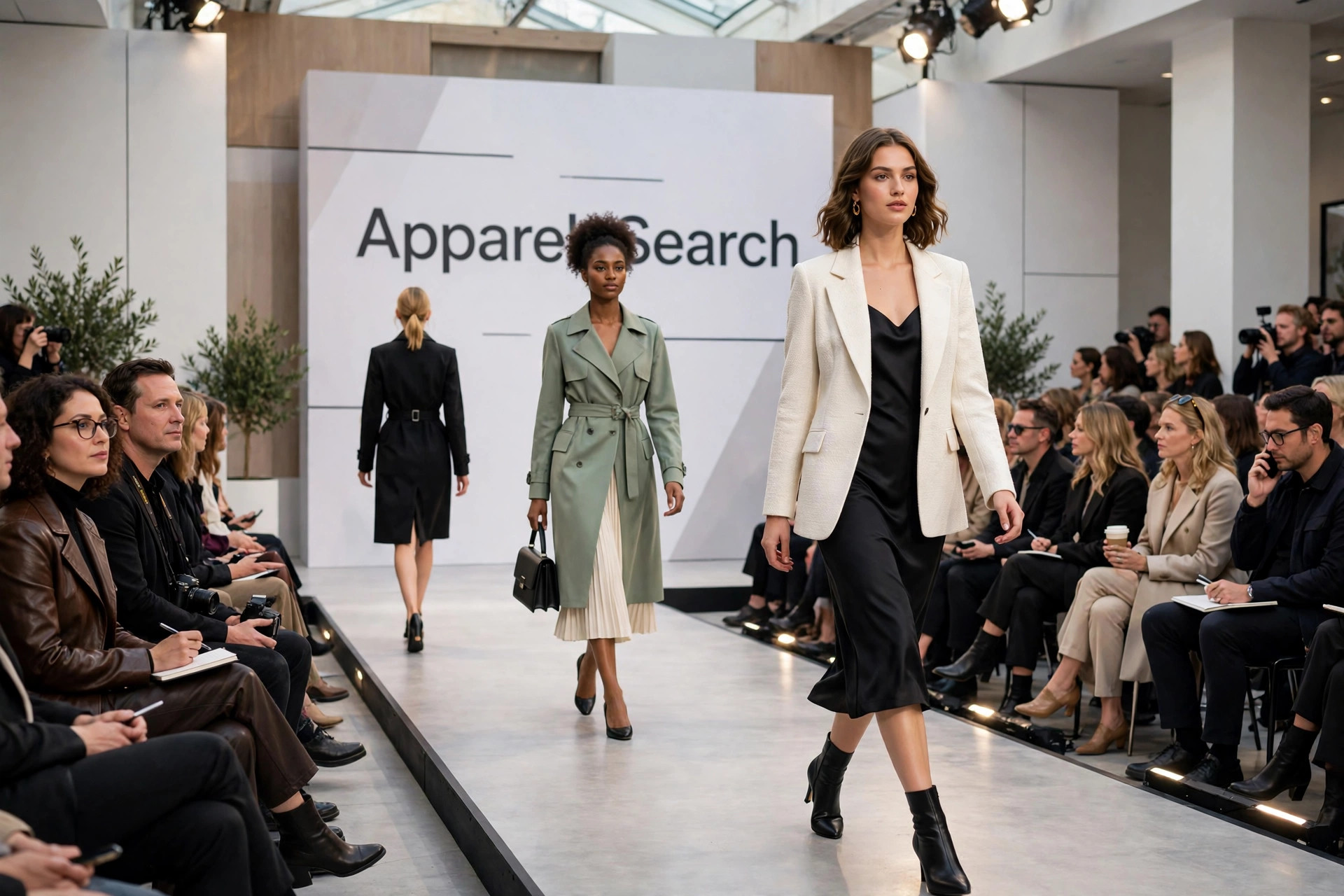
Illustrative image created for this guide — an artistic impression, not this designer's own garments.
News, Photos & VideoCollectionsFall FashionsFashion WeekNewsProfilesRunwaySpring Fashions
The Show as a First Test
Staging is part of the test. A runway presentation orders a collection into a sequence — opening looks that state the season's idea, middle looks that vary it across day and evening, and closing looks that fix the impression the audience carries out. Lighting, pace and music all serve that sequence, and the discipline behind a good show is the same discipline behind a good collection: nothing included without earning its place, and every look complete for its occasion.
Movement is the other examiner, and the stricter one. Fabric chosen well for fall holds its line at walking pace; a spring dress either floats or merely hangs. Photographs taken from the runway's end capture that verdict frame by frame, which is why runway photography — gathered in the Photos section here — remains the most consulted record of any collection, long after the show itself is over.
The Runway Record
Filed season over season, runway shows become a designer's most vivid archive: dated, sequenced and photographed from the same vantage year after year, so change is easy to measure and continuity easy to prove. The news page in this series gathers the reviews those shows received, the collections page files the garments they introduced, and the fall and spring pages separate the record by the season each show dressed.
Read the runway record together with those pages and the two views complete each other: collections are the clothes, organized; the runway is the clothes, proven — at walking pace, under lights, by the oldest method fashion has for telling the truth about a garment. For readers, the runway record has one more virtue: it preserves sequence. Knowing which look opened a show and which closed it reveals the designer's own ranking of the season's ideas, evidence that a rail of garments, however complete, can never supply on its own.
Common Questions
What does the Christina Yu runway page cover?
The runway strand of her record: the presentations where collections are first shown on models in motion, how those shows are staged and judged, and the photographs they generate for the rest of the guide.
Why does showing clothes in motion matter?
Because garments are designed to move. A coat's line, a dress's drape and a layered look's balance can only be fully judged at walking pace, which is why the runway — not the rail — is a collection's first real test.
How does this page relate to the fashion week page?
The fashion week page covers the calendar and the industry event around the shows. This page follows the shows themselves: the looks in sequence, the staging and the runway record they leave behind.