Donna Karan Footwear
The footwear strand of the house's record — filed on its own page.
Some parts of a fashion house's world earn their own following, and footwear are one of them at Donna Karan. Her footwear completes the wardrobe system she built in clothes: elegant heels, sandals and boots in black and neutral leathers, designed to finish her jersey dresses and tailoring rather than compete with them. This page files the footwear strand of the house's record in this guide — the designs, the construction behind them, and the place they hold alongside the collections themselves.
The Photos section gathers footwear imagery, and the search routes in the references run Donna Karan footwear news, photo and video searches. The collections page covers the full seasons in which footwear appear, and the main page routes the house's wider coverage. The house's official website is linked in the references.
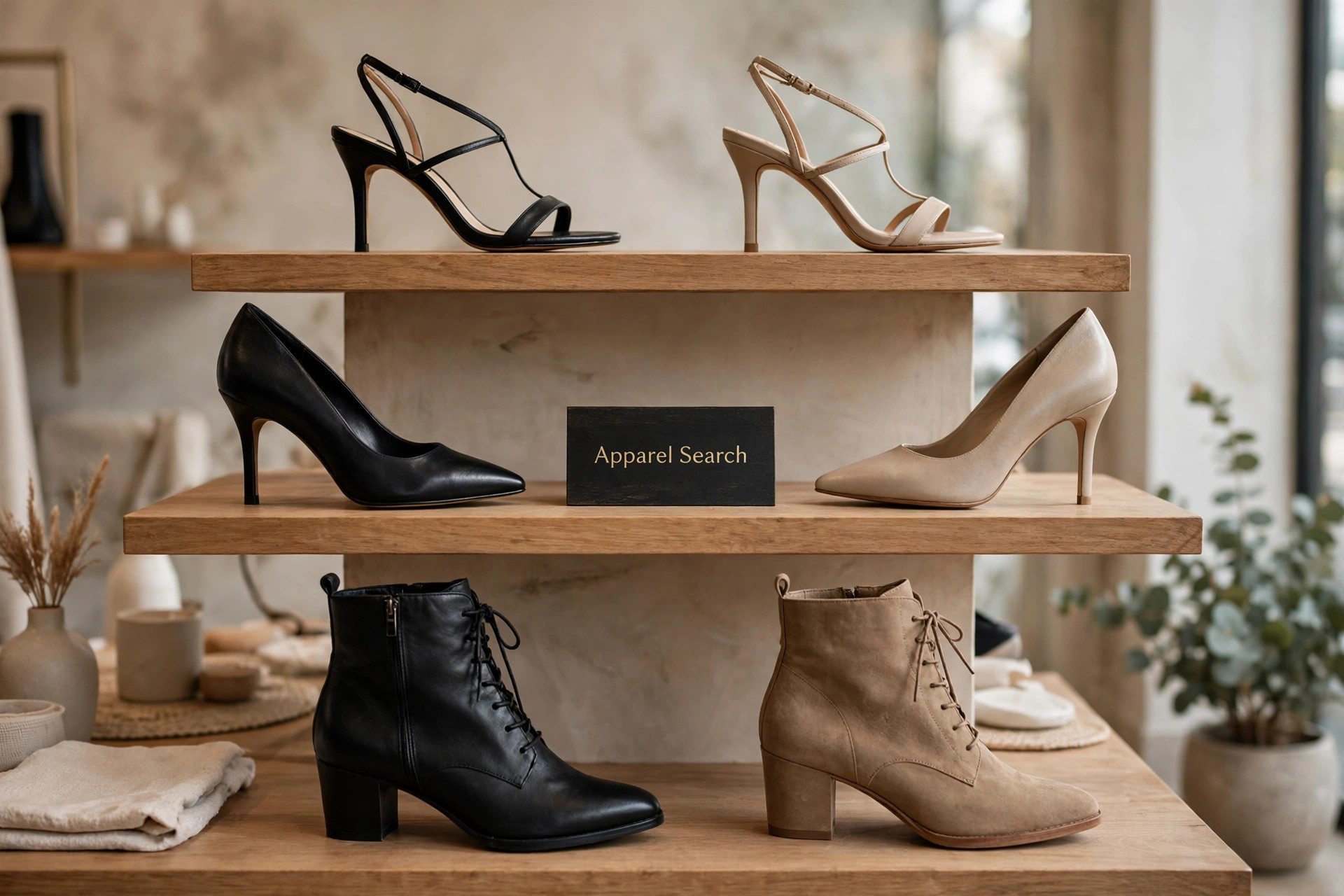
Illustrative image created for this guide — an artistic impression, not this designer's own garments.
News, Photos & VideoCollectionsFall FashionsFashion WeekFootwearNewsProfilesRunwaySpring FashionsSunglassesWomenswear
The Footwear Signature
What makes a Donna Karan piece recognizable across a crowded market is the house language applied without dilution: fluid jersey dresses, draped body-conscious separates, black tailoring and soft knitwear designed to combine into complete outfits. In the footwear that language is worked at close range — smaller surfaces, finer finishing, and details that have to read at a glance. Fit and proportion decide the choice — heel height against the length of a dress or trouser, leather weight against the season; the shoes are cut on classic shapes so the system's clean line runs unbroken from shoulder to ground. The result is a product category that behaves like the clothes: designed as part of a wardrobe, not as merchandise detached from it.
Worn her way, the shoe is the outfit's final full stop: a black heel with the black tailoring, a neutral sandal with the fluid dresses, a boot under fall knitwear — never an afterthought, always the last piece of the system. Readers comparing seasons will find the same pattern here as in the collections themselves — the signatures constant, the handling renewed — because the house develops its product categories from the runway outward: a season's prints, colors and materials appear in the footwear in step with the clothes they are meant to accompany.
Footwear in the House's Record
The house behind these footwear gives the category its weight: She went solo in 1985 with the Donna Karan Collection and added a second line, DKNY (Donna Karan New York), in 1988. In 1997 she stepped down as chief executive of her company while continuing as chairwoman and designer in charge of the Donna Karan line, and in November 2000 the LVMH fashion group completed its acquisition of Gabrielle Studio, the company that owned the Donna Karan brand, and of Donna Karan International. Product pages like this one exist because categories of that standing reward being filed properly — dated, photographed, and placed in the house's chronology rather than left to drift through search results without context.
For the full seasons, turn to the collections page; for the shows where new footwear are first seen completing the looks, the runway page; and for the coverage each launch receives, the news page. The profiles page carries the designer's story that the whole product world descends from.
Photos

Common Questions
What defines Donna Karan footwear?
Her footwear completes the wardrobe system she built in clothes: elegant heels, sandals and boots in black and neutral leathers, designed to finish her jersey dresses and tailoring rather than compete with them.
How should Donna Karan footwear be chosen?
Fit and proportion decide the choice — heel height against the length of a dress or trouser, leather weight against the season; the shoes are cut on classic shapes so the system's clean line runs unbroken from shoulder to ground.
Where do footwear sit in the Donna Karan record?
They are one strand of the house's wider world, filed here on their own page; the collections page covers the full seasons, and the main page routes the house's news, photos and videos.