Jean Patou
The main guide page — news, photos, video and the full series in one place.
Jean Patou is the French couturier (1887–1936) who opened his first Paris salon in 1912 and pioneered sportswear inside couture — the designer who dressed tennis champion Suzanne Lenglen and launched Joy, billed for decades as the costliest perfume in the world. This page is the front door to that record in this guide: from here, the series opens out into the collections filed season by season, the fall and spring strands taken separately, the fashion week and runway coverage of the shows themselves, the running news record, and the profiles page where the life and career behind the clothes are set out in full.
Born in Paris on September 27, 1887, Jean Patou worked in his family's fur business before opening a small dressmaking salon, Maison Parry, in 1912; after serving in the First World War he relaunched under his own name in 1919 and built one of the defining Paris houses of the 1920s. He dressed tennis champion Suzanne Lenglen in pleated skirts and sleeveless cardigans that changed sports dress, treated knitwear, swimwear and skiwear as couture subjects, and in 1930 launched the perfume Joy, billed as the costliest perfume in the world. He died in 1936; the house later passed through designers including Marc Bohan, Karl Lagerfeld and Christian Lacroix, and was relaunched under Guillaume Henry, whose first Patou collection showed in 2019. The search routes in the references run Jean Patou news, photo and video searches, and the designer's official website is linked there as well. Readers who already know the strand they want — a season, a show, the biography — can go straight to it from the series links on this page.
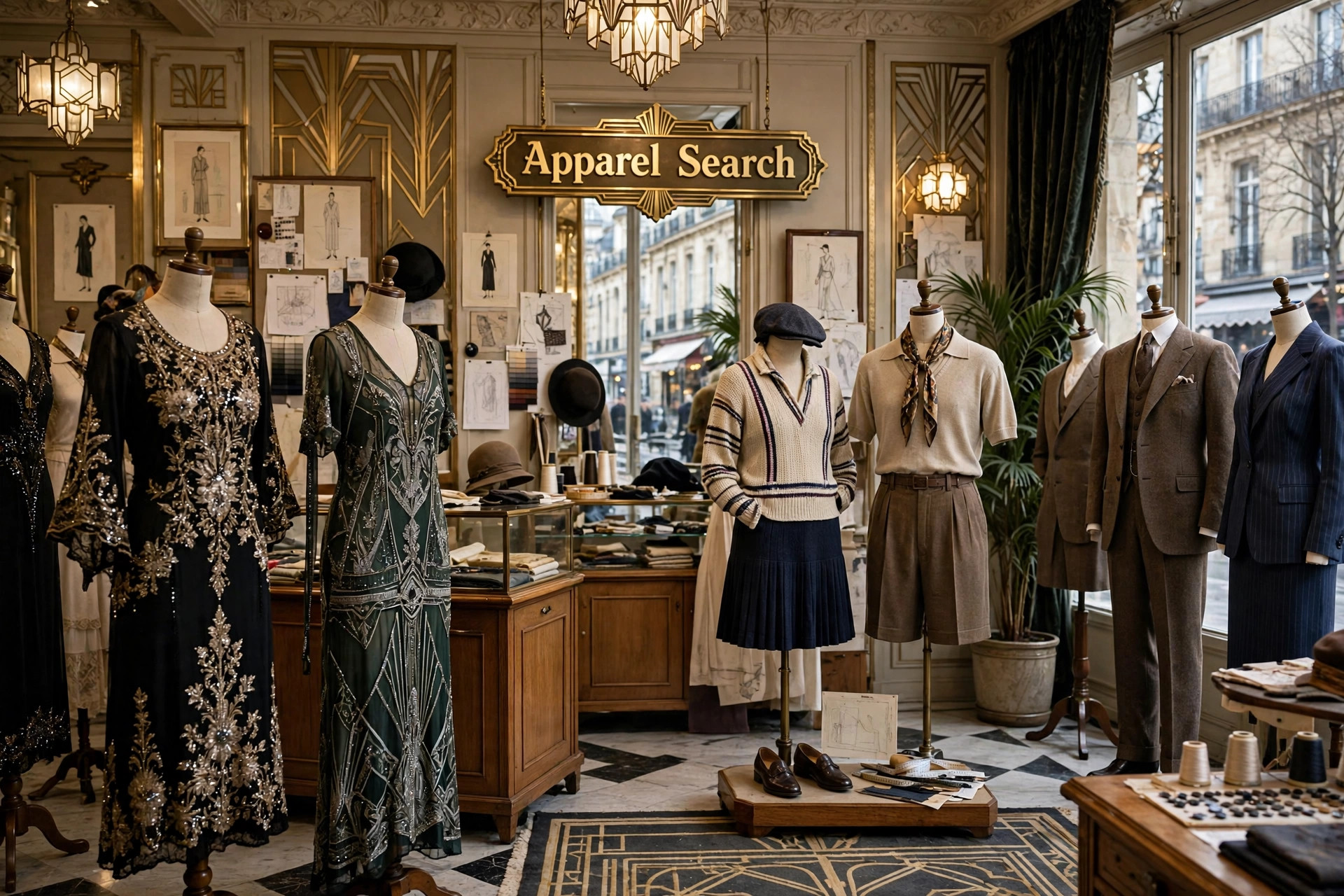
Illustrative image created for this guide — an artistic impression, not this designer's own garments.
News, Photos & VideoCollectionsFall FashionsFashion WeekNewsProfilesRunwaySpring Fashions
One Designer, Many Views
A designer of this standing cannot be covered honestly in a single summary, because the work operates on several levels at once. There is the garment level — luxury made wearable — couture finish applied to clothes designed for movement, sport and modern life — which the collections and product pages examine piece by piece. There is the show level, where each season's argument is made in sequence under lights, which the runway and fashion week pages follow. And there is the biographical level, the training, accidents and decisions that explain why the clothes look the way they do, which belongs to the profiles page. This main page exists to keep those levels connected rather than to repeat any one of them.
The signature that runs through every level is elegant sportswear and embroidered evening glamour — tennis whites, knit cardigans and swimwear treated as couture beside beaded gowns. It is recognizable in a single photograph and in a full season alike, which is precisely why the record rewards being read whole: the same hand appears in the earliest work and in the most recent collections, and the series is arranged so a reader can trace it — from the main routes here, into a season, onto the runway, and back to the life on the profiles page.
How to Use This Guide
Start here if you are arriving fresh: the links above the references divide the record by kind — news for the current story, photos and videos for the visual record, the named pages for the filed one. The Photos section gathers the imagery carried with this page, and the reference searches are kept current by the search engines themselves, so a story published this week is reachable from a page whose filed record may end earlier. Dates matter for the same reason: a photograph from an early season can illustrate coverage of any later one, and the season pages are the corrective.
For the background the headlines assume, the profiles page is the essential companion — it carries the dates, places and turning points in order. For the work itself, the collections page files the seasons, and the fall and spring pages separate the two registers of sporting elegance restated in every season. Read together, the pages in this series give a complete working picture of Jean Patou: the life, the clothes, the shows and the coverage, each in its own place.
Photos

Common Questions
Who is Jean Patou?
Jean Patou is the French couturier (1887–1936) who opened his first Paris salon in 1912 and pioneered sportswear inside couture — the designer who dressed tennis champion Suzanne Lenglen and launched Joy, billed for decades as the costliest perfume in the world.
What does this Jean Patou page gather?
It is the main page for this designer's record in this guide: the routes to news, photos and videos, and the links to the other pages in the series — collections, seasonal, fashion week, news, profiles and runway pages, and product pages where the series has them.
What is Jean Patou best known for?
The signature is elegant sportswear and embroidered evening glamour — tennis whites, knit cardigans and swimwear treated as couture beside beaded gowns — the work the collections, runway and profiles pages in this series each take up in turn.