Jean Patou Fashion Week
The calendar page — where the showings sit in the season cycle.
Fashion week is the calendar that turns designing into an event, and Jean Patou holds a settled place in it: the showings in Paris are among the presentations each season's coverage is organized around. The collections are finished in the studio months before; fashion week is where they meet their public — buyers, editors and photographers — in a single concentrated run of days. This page covers the designer's place in that calendar in this guide.
The Photos section gathers fashion week imagery across the seasons, and the search routes in the references run Jean Patou fashion week news, photo and video searches. The runway page is the companion for the shows themselves; the collections page files what was shown. The designer's official website is linked in the references.
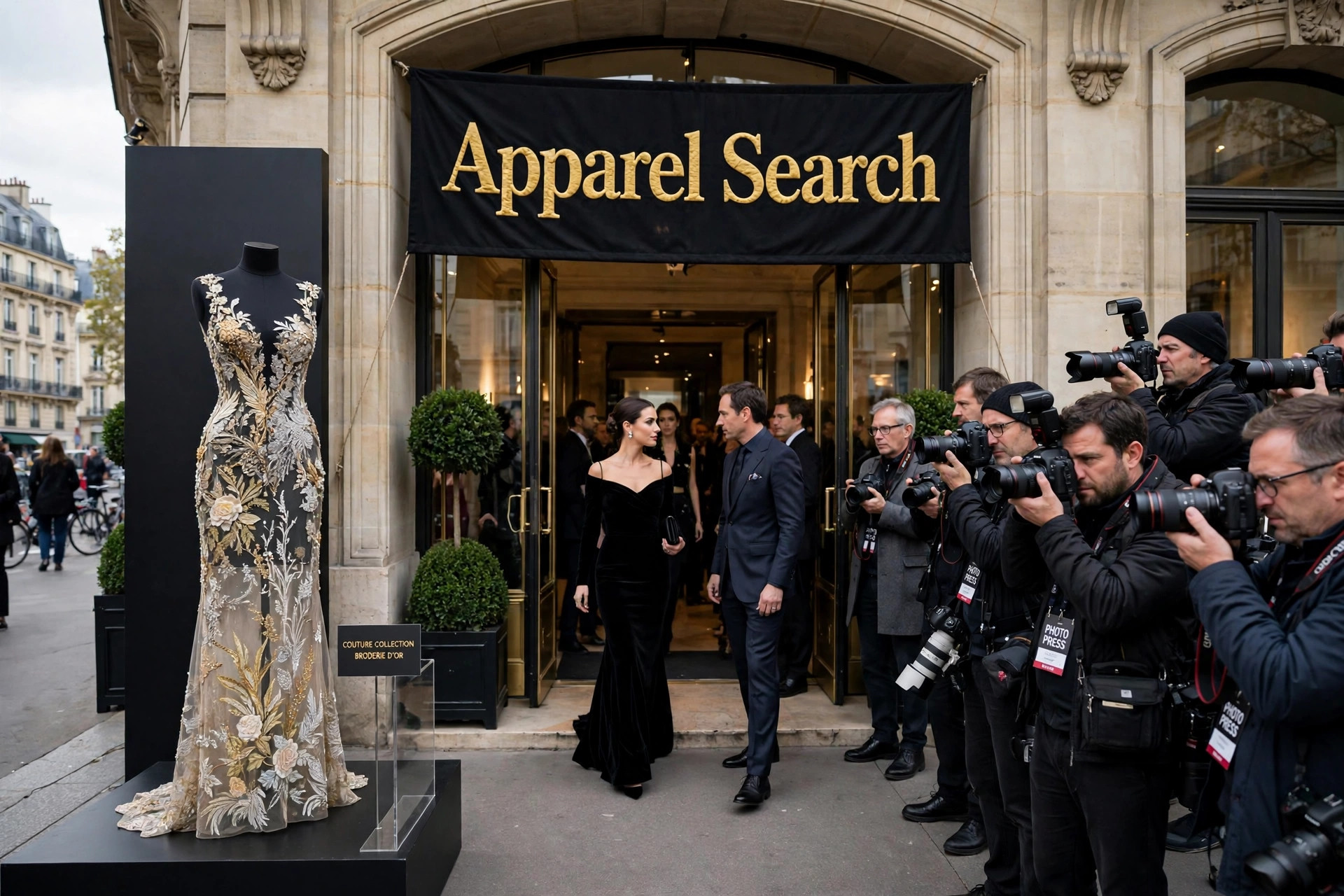
Illustrative image created for this guide — an artistic impression, not this designer's own garments.
News, Photos & VideoCollectionsFall FashionsFashion WeekNewsProfilesRunwaySpring Fashions
The Season Cycle
The calendar runs twice a year for the main collections — the fall collections presented ahead of autumn, the spring collections ahead of spring — and everything else in the record is dated by it. A Jean Patou showing is therefore two events at once: the unveiling of one season's clothes, and a renewal of the designer's standing, measured against the signatures the audience has come to expect — elegant sportswear and embroidered evening glamour — tennis whites, knit cardigans and swimwear treated as couture beside beaded gowns. The fashion week audience judges both at once, which is why the coverage a showing receives, gathered on the news page, reads the clothes and the house's health in the same review.
For readers following from outside the industry, the practical rhythm matters: the photographs and reports appear during the week itself, the collections reach stores months later, and the filed pages in this series — collections, fall, spring — are where the season is recorded once the week has passed. Fashion week is the peak of the cycle, not the whole of it.
A Settled Place in the Calendar
Standing in a fashion week calendar is earned the way Jean Patou earned it: Born in Paris on September 27, 1887, Jean Patou worked in his family's fur business before opening a small dressmaking salon, Maison Parry, in 1912; after serving in the First World War he relaunched under his own name in 1919 and built one of the defining Paris houses of the 1920s. He dressed tennis champion Suzanne Lenglen in pleated skirts and sleeveless cardigans that changed sports dress, treated knitwear, swimwear and skiwear as couture subjects, and in 1930 launched the perfume Joy, billed as the costliest perfume in the world. He died in 1936; the house later passed through designers including Marc Bohan, Karl Lagerfeld and Christian Lacroix, and was relaunched under Guillaume Henry, whose first Patou collection showed in 2019. That history walks into the venue with every showing. Editors who have covered the designer for years read a new collection against the whole filed record, and the series links on this page are arranged for exactly that kind of reading — back through the collections to the signatures, forward to the runway record of the show itself.
The week is also where the designer's wider world becomes visible at once — the accessories, the fragrance and beauty lines, the retail presence — gathered in one city for a few days of concentrated attention. The main page in this series routes that wider coverage by medium, for readers who want the week in photographs or on video rather than in reviews.
Common Questions
Where does Jean Patou show at fashion week?
In Paris — the showings anchor that city's place in the international calendar of Paris Fashion Week, and the runway page in this series follows the presentations themselves.
How is this fashion week page different from the runway page?
This page covers the calendar: when the shows happen, how the season cycle works and where this designer sits in it. The runway page follows the shows look by look.
When can I read coverage of the Jean Patou fashion week shows?
As they happen, through the search routes in the references and the news page in this series, which gathers the reviews and reports each showing receives.
More to Explore
- Designer Fashion Week
- Designers by Designer Names
- Fashion Week
- Fashion Week Videos
- Top Fashion Designers
- Famous Fashion Designers
- fashion designer definitions
- American Fashion Designers
- British Fashion Designers
- Italian Fashion Designers
- Japanese Fashion Designers
- Belgian Fashion Designers
- Indian Fashion Designers
- French Fashion Designers
- Fashion Designer Collections
- Fashion Designers by Season
- Fashion Designer News
- Fashion Designer Profiles
- Fashion Designer Runway
- fashion celebrities