Denmark Fashion Weeks
A guide to fashion week in Denmark — Copenhagen Fashion Week, the Nordic event that turned sustainability into a condition of showing.
Welcome to the Denmark Fashion Week Guide. Denmark's fashion week landscape has one anchor event, and it is a significant one: Copenhagen Fashion Week, held twice a year in the Danish capital. Where some countries in this directory record several competing weeks, Denmark's record is concentrated — a single event that has grown from a merger of Danish clothing trade fairs into the leading fashion week of the Nordic region, and the fashion week the rest of the world now studies for its sustainability rules.
A fashion week is a fashion industry event, lasting approximately one week, which allows fashion designers or fashion houses to display their latest collections in runway shows for buyers and the international fashion community. Copenhagen's version keeps that working shape — shows, presentations, showrooms and trade activity — and adds something no other major week had attempted: binding minimum sustainability standards that a brand must meet before it is allowed onto the official schedule at all.
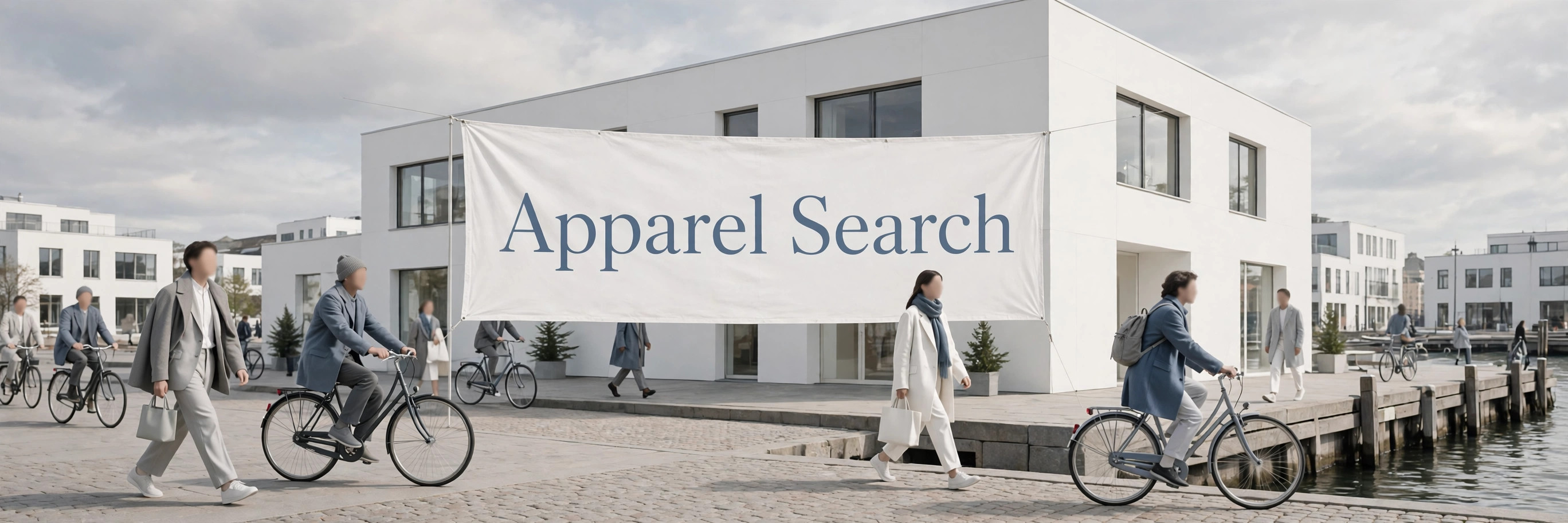
Illustrative image created for this guide — an artistic impression, not photographs from these shows.
Search Apparel Search
Fashion Week Events in Denmark
- Copenhagen Fashion Week — the full guide: the event's history since 2006, its twice-yearly rhythm, the Sustainability Requirements brands must meet to show, the Danish brands associated with the week, and how to attend or watch.
One Capital, One Week
Copenhagen Fashion Week was first held in 2006, following the merger of the Danish clothing trade fairs Dansk Modeuge and Dansk Herremodeuge, whose history reached back to the 1950s. That trade-fair ancestry still shows in the event's character: Copenhagen is a working week, where the runway schedule sits alongside the order-writing business of the Scandinavian industry, and where the city's own design culture — furniture, architecture, and a famously practical approach to dressing — is part of the product on display.
The week runs twice a year. The autumn/winter edition falls in late January or early February, in the depth of the Nordic winter; the spring/summer edition falls in August, when Copenhagen is at its lightest and the street style outside the shows — guests arriving by bicycle in tailored coats and clean-lined summer dresses — became an international story in its own right. In 2026 the event marked twenty years since that first 2006 edition, a milestone its organisers used to take stock of two decades of Nordic fashion growth.
The runway schedule is not the whole week. Copenhagen's trade-fair inheritance means the shows run alongside serious order-writing business, most visibly at CIFF — Copenhagen International Fashion Fair — which stages its editions at the Bella Center on the same days as the fashion week; its spring/summer 2027 edition, held alongside the August 2026 week, was its 67th. For buyers, that pairing is the Danish model's practical strength: a single trip covers the designer shows that set the season's direction and the fair floors where the season is actually bought. It is also a reminder that Denmark's fashion week grew out of trade fairs rather than couture salons, and has kept the working habits of its origins.
Denmark's Design Identity
Danish fashion design is usually described with the same words used for Danish design generally: clean lines, functional thinking, quality materials, and a reluctance to decorate for decoration's sake. On the runway that translates into collections built around wearable tailoring, knitwear, outerwear designed for a real climate, and a muted palette — white, grey, sand, black — lifted by the colour and print that a younger generation of Danish brands brought to the week. The result is a recognisable national look that buyers can identify across a crowded schedule: clothes designed to be worn daily, made to last, and styled with an ease that photographs well on Copenhagen's streets.
That identity is also commercial. Fashion is one of Denmark's significant export industries, and the country's clothing business — from the design brands on the Copenhagen schedule to the large Danish fashion groups — is documented in this site's Denmark clothing industry directory, which lists the country's fashion companies and industry associations. The fashion week and the industry behind it are best read together: the week is the visible tip of a trade that employs designers, pattern cutters, textile specialists and retailers across the country.
The Sustainability Signature
What lifted Copenhagen out of the regional calendar and into the global conversation was a decision about rules. In 2020 the event launched a Sustainability Action Plan, and from the autumn/winter 2023 edition onward, every brand on the official show and presentation schedule has had to meet a set of minimum sustainability standards — covering strategy, design, materials, working conditions, consumer engagement and show production — simply to be admitted. No other major fashion week had made sustainability a condition of entry in this way, and the framework has since been adopted by other fashion weeks and councils, including organisations in Berlin, London, Amsterdam and Oslo.
The full account of those requirements — what they ask of brands, how they are screened, and how they were revised and tightened — is given on the Copenhagen Fashion Week page linked above, and readers who want the wider subject can continue into this site's sustainable fashion guide, where Copenhagen's approach sits alongside the fabrics, certifications and brand practices that make up the field.
Denmark Among the European Weeks
In the European order, Paris, Milan and London remain the historic centres of the system, and Copenhagen does not pretend to their scale. Its place is different: it is the week the industry watches to see where the rules are going. Berlin pairs runway with trade fair, Amsterdam built the young and directional alternative, and Copenhagen contributes the standards model — the idea that a fashion week's most important product might be its admission criteria. For a reader planning the season or studying how fashion weeks differentiate, Denmark's single-event guide is therefore short in entries and long in influence: one event, held twice a year, whose requirements are now being copied by the very weeks it was once measured against.
Common Questions
Which fashion week events take place in Denmark?
Copenhagen Fashion Week is Denmark's fashion week event, held twice a year in Copenhagen, in late January or early February and in August.
What is Copenhagen Fashion Week known for?
Copenhagen Fashion Week is known for Nordic design and for its Sustainability Requirements: since 2023, brands have had to meet binding minimum standards to be admitted to the official show and presentation schedule.
What is a fashion week?
A fashion week is a fashion industry event, lasting approximately one week, in which fashion designers or fashion houses display their latest collections in runway shows for buyers and the international fashion community.