Fashion Marketing & Brand Building · Public Relations
Fashion Public Relations
The earned-media machinery of fashion: how samples move from showroom rails into magazine pages, how editors and stylists work with brands, and what a good publicist actually does all day.
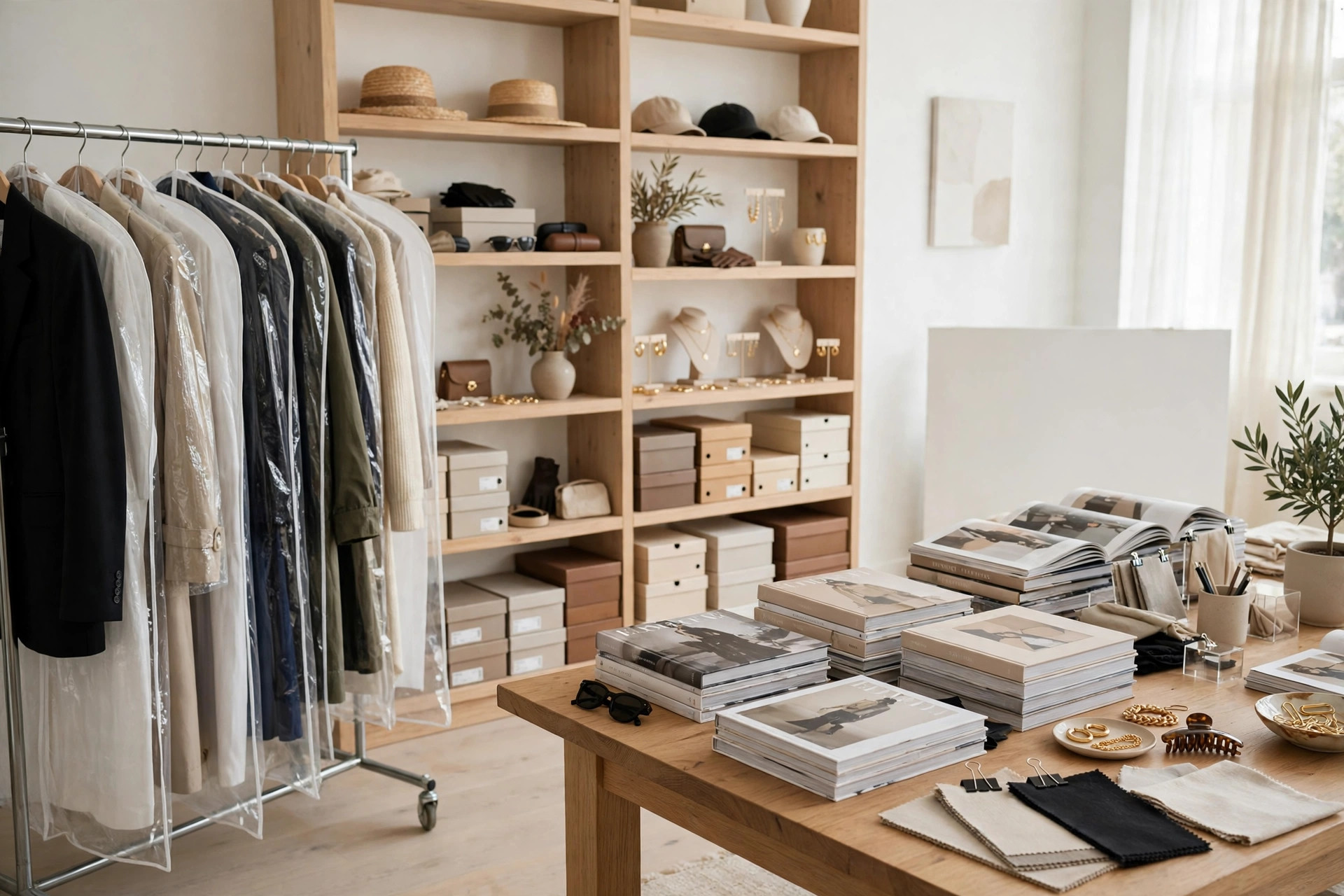
Public relations is the branch of the Fashion Marketing & Brand Building discipline that deals in earned attention: coverage a brand receives because an editor, stylist or broadcaster chose it, not because the brand bought the space. The formal definition lives in the Apparel Search entry on public relations; this guide covers the fashion-specific practice, which is unusually physical. In most industries PR is made of words. In fashion it is made of garments — borrowed, couriered, photographed, returned, repaired and borrowed again — and of relationships maintained season after season between brands and the people who decide what the public sees.
The Showroom and the Sample Rail
The working heart of fashion PR is the showroom: a space where the current collection hangs in full, in sample sizes, ready to be seen and borrowed. Around it runs a logistics operation that outsiders rarely appreciate. Each sample is tracked — which publication has it, for which shoot, due back when. Pieces travel to photo studios, get pinned and taped by stylists, come back needing cleaning or repair, and go out again. A brand's sample set is a real production cost, made in duplicate or triplicate of the selling range, and its smooth circulation is most of what a junior publicist's week consists of. When a garment appears in a magazine's fashion pages, credited with the brand's name and price, this machinery is what put it there.
How a Placement Happens
The Story or the Shoot Comes First
Coverage begins with an editorial need: a story about a trend, a shopping page on a theme, a cover shoot. Publicists who know an editor's pages can suggest pieces that genuinely fit — that knowledge, not pressure, is the core skill.
The Pitch
A pitch is a short, specific proposal: this piece, for this story, available now, photographed here. Vague announcements of a new collection are easy to ignore; a relevant item, offered at the moment it is useful, is not.
The Loan
Samples are called in, checked, packed and couriered with paperwork. The brand's name travels with accurate details — correct name, price and stockist — because a credit printed wrong is value lost.
Publication and the Follow-Through
When the story appears, the publicist records it, thanks the editor, and makes sure the featured piece can actually be bought while interest lasts. Coverage that arrives when the item is unavailable is a near-miss, and preventing that is a planning job shared with sales.
Press Days, Launches and the Long Game
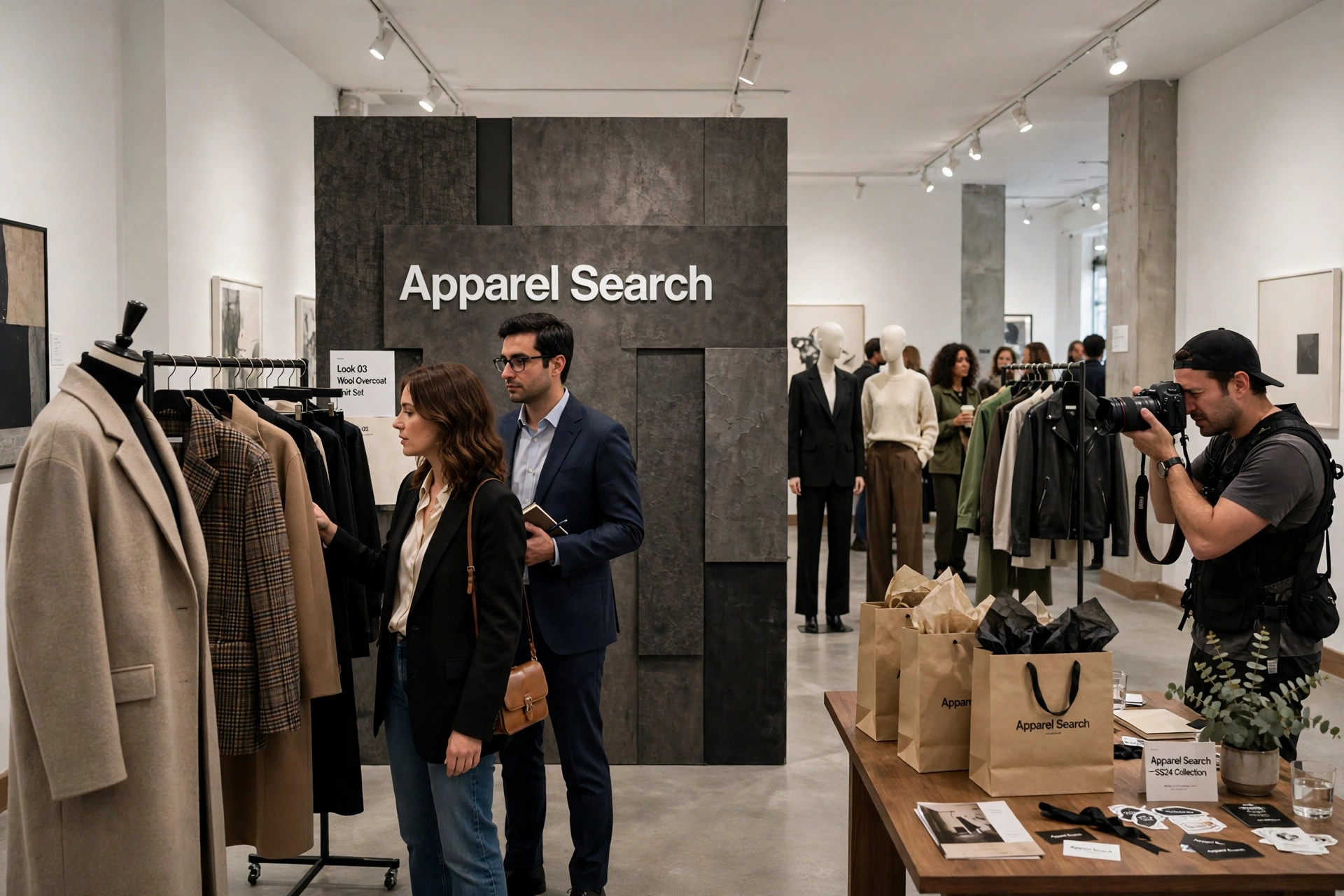
Twice a season, around the collections, brands hold press days — open-house events where editors view the coming range months before it reaches stores, timed to the long lead times of print production. Launches, store openings and collaboration reveals get their own events, designed to give press and creators something worth photographing and a story worth repeating. Underneath the events sits the long game: PR is cumulative. An editor who has been served reliably for five seasons — samples on time, honest information, no wasted pitches — takes the sixth season's call. That is why brands protect these relationships carefully, and why the function is usually kept close even when other marketing work is outsourced.
Who Does the Work
Established brands employ in-house PR teams; growing labels typically retain an agency or a freelance publicist, buying the showroom, the contact book and the seasonal rhythm in one contract. Apparel Search lists practitioners in its fashion public relations directory, organized by market, for brands comparing options. The career side — what publicists at each level actually do — is covered by the public relations consultant career guide. And one boundary is worth keeping clear: PR handles earned coverage and relationships. When attention is bought and guaranteed, that is advertising; when it passes through individual creators, it becomes the influencer marketing covered elsewhere in this cluster — three tools that work best when nobody confuses them.
More in Fashion Marketing & Brand Building
Common Questions
What does a fashion publicist actually do?
A fashion publicist manages the relationship between a brand and the people who can put it in front of an audience: magazine and website editors, stylists, broadcasters and creators. Day to day that means maintaining the sample collection, running the showroom, pitching stories and products, organizing press days and launch events, tracking what has been borrowed and what coverage resulted, and handling requests and problems as they arise.
What is a fashion sample, and why do brands lend them?
A sample is a garment or accessory from the current collection kept specifically for press use. Brands lend samples because editorial photography still drives fashion coverage: an editor or stylist borrows pieces, photographs them for a story or shoot, and returns them. The loan costs the brand logistics and wear, but a single page of editorial coverage can be worth more than advertising the brand could not have bought in the same place.
Can PR guarantee that a brand will be featured?
No — and any practitioner who guarantees coverage should be treated with suspicion. PR is earned media: editors choose what to feature, and the publicist's influence is real but never total. What good PR does guarantee is process: the right samples in the right hands at the right time, stories pitched professionally, and every opportunity followed up. Brands that need guaranteed placement buy advertising instead, which is a different tool with a different kind of value.
When should a young brand hire PR help?
When there is something to publicize and the means to fulfil the demand it creates: a collection that is finished, photographed and available to buy, in enough depth that a successful story does not sell out in a day and strand the attention. Hiring PR before the product, imagery and stock are ready spends money generating interest the brand cannot convert. Many young labels start with founder-led outreach to a short list of editors and stylists before retaining an agency.
Back to Fashion Marketing & Brand Building
The Fashion Marketing & Brand Building hub maps the whole discipline — identity, public relations, advertising, influencer and social media marketing, and collaborations and licensing.