Fashion Marketing & Brand Building · Advertising
Fashion Advertising Explained
The paid side of fashion marketing: the channels and formats brands buy, how a seasonal campaign is made, and how the balance between prestige media and measurable media has shifted.
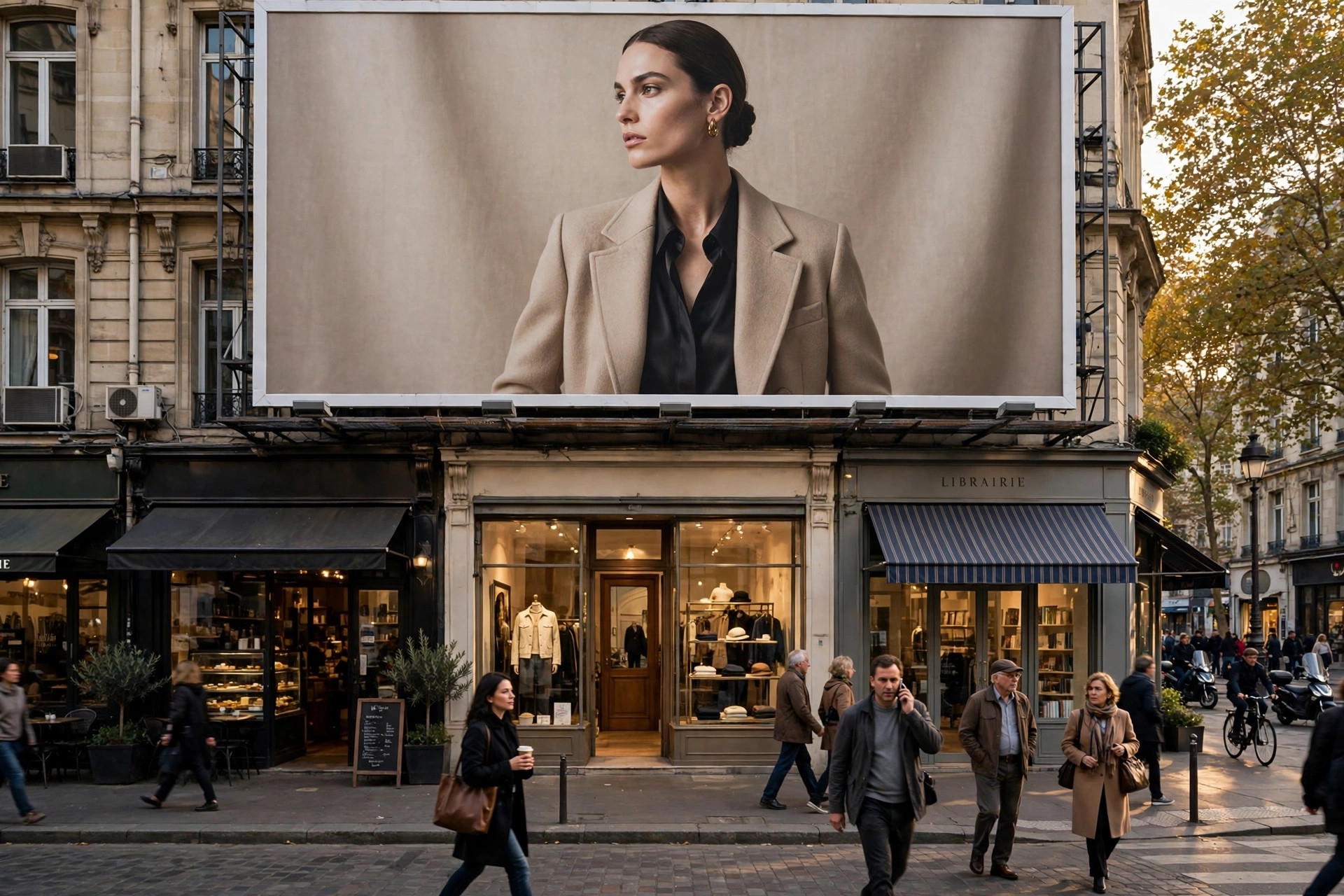
Advertising is the part of the Fashion Marketing & Brand Building mix that a brand buys outright: space in media, in exchange for complete control over the message and a guarantee that it will appear. That guarantee is what separates it from public relations, where coverage is earned and never promised. The trade is control for credibility — everyone knows an advertisement is the brand speaking about itself, so it persuades differently from an editor's endorsement — but advertising remains the only channel that can be scheduled to the day, scaled to a budget, and aimed at a precisely defined audience. For a seasonal industry, that scheduling power alone keeps it indispensable.
The Campaign Is the Unit
Fashion advertising is not bought one ad at a time. It is produced as a campaign: one creative idea for the season, photographed or filmed once — the production side is covered by the Fashion Photography & Media Production guide — and then adapted into every size and format the media plan requires. A single campaign shoot may yield a magazine double-page, a billboard, a dozen social cuts, website banners and store graphics, all recognizably the same idea.
The Classic Channels
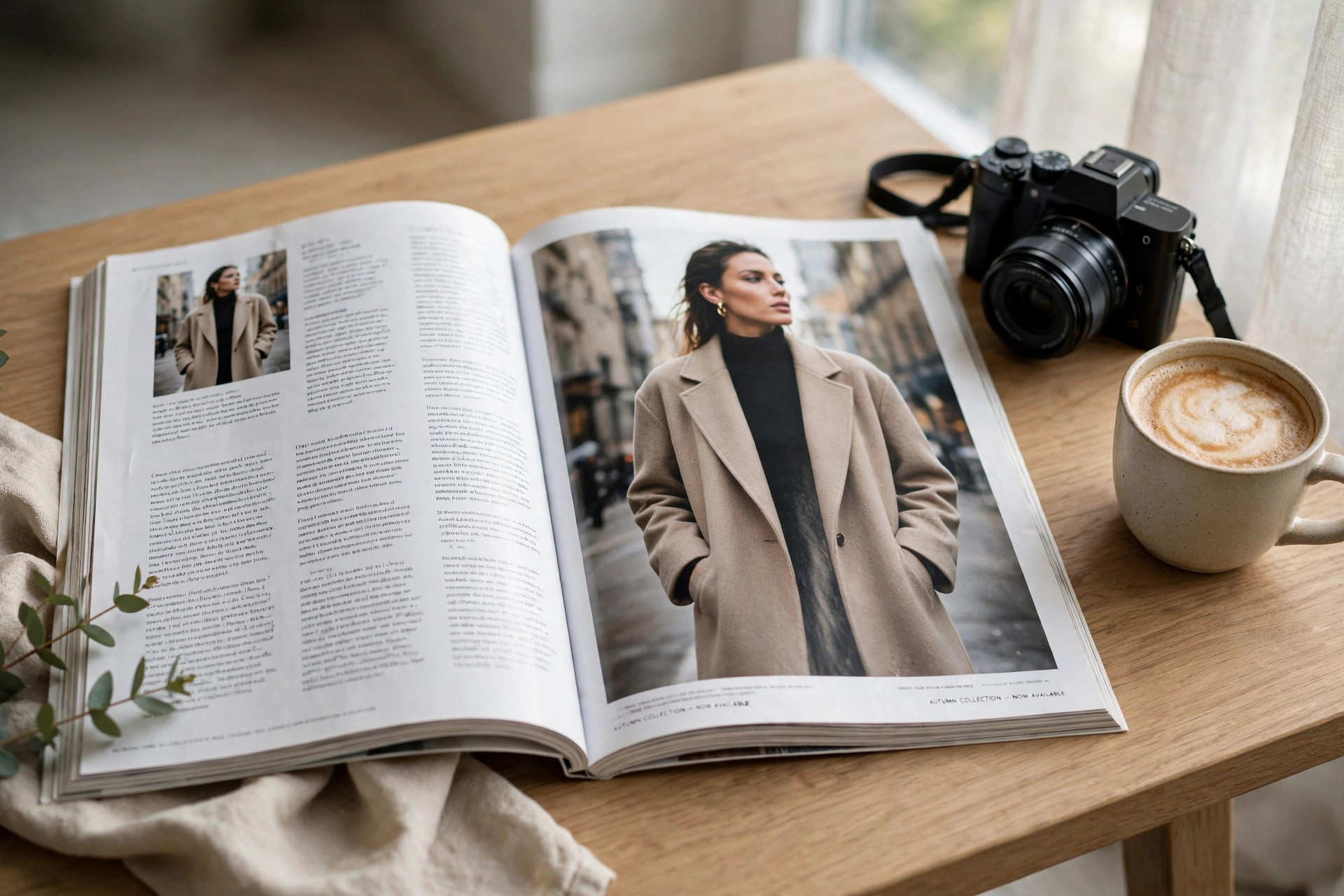
For most of the twentieth century, fashion advertising meant a short list of prestigious placements. Magazines were the center: the big fashion titles carried the season's campaigns in thick September and March issues, and a brand's choice of titles announced its tier as clearly as its prices. Outdoor — billboards, bus shelters, transit posters, building wraps in fashion capitals — provided scale and civic presence; a billboard on the right street is still as much a status claim as an advertisement. Newspapers served department stores and local retail. Cinema and broadcast belonged mainly to fragrance, watches and the largest houses, whose budgets could carry production values to match. These channels shared a logic: limited space, high production polish, and value derived partly from the company the ad kept.
The Digital Channels
Digital media did not replace the classic channels so much as surround them. Search advertising captures shoppers who already know what they want — it harvests demand rather than creating it. Social advertising puts paid posts into the same feeds as organic content, targeted by interest and behavior, and is covered from the content side in the social media guide. Video — from short vertical clips to longer brand films — carries the movement and sound print never could. Display and retargeting follow interested visitors around the web with the products they viewed. And paid partnerships with creators blur the line into influencer marketing, where the advertisement arrives in a person's voice instead of the brand's. The common thread is measurability: digital channels report, often within hours, what a placement produced — a discipline the prestige channels never offered and now must answer to.
How the Money Is Decided
A media plan starts from the season's objective. A launch needs reach and repetition in a short window; an established brand may weight spending toward the moments customers actually shop. Planners compare channels on cost per thousand reached, on the quality and fit of the audience, and — for digital — on cost per visit and per sale. Fashion adds one more variable that pure arithmetic misses: context. Appearing in a respected title, on a famous street, or beside admired creators lends the brand some of that standing, which is why fashion media plans still defend a prestige layer even when its direct response is weak. What has genuinely changed is the burden of proof: the prestige layer now has to argue its case against numbers, every season, in a way it never did when it was the only game available. The budgets themselves come out of the margin structure explained in the Garment Costing Guide — advertising is one of the lines that must fit between the cost of the garment and its price.
More in Fashion Marketing & Brand Building
Common Questions
What makes fashion advertising different from other advertising?
Fashion advertising sells an image before it sells an item. A car advertisement can list specifications; a fashion advertisement usually shows a world — a person, a mood, a life the clothes belong to — and lets the viewer want in. It also works to a seasonal clock: campaigns are produced months ahead, run for a season, and are replaced wholesale when the next collection arrives.
What is a fashion campaign?
A campaign is the coordinated set of advertisements a brand produces for one season or launch: a photographic or video shoot built around a single creative idea, then adapted into every format the plan needs — magazine pages, billboards, social posts, website banners, store graphics. The campaign is the unit of fashion advertising; individual ads are its instances.
How do fashion brands decide where to advertise?
By audience, objective and arithmetic. Media planners match channels to where the brand's customers actually spend attention, set an objective for each (awareness for a launch, response for a promotion), and compare costs per thousand people reached and per sale produced. Prestige still matters in fashion — appearing in the right magazine or on the right street carries a signal beyond the raw numbers — but it is now weighed against measurable digital results rather than taken on faith.
Is print advertising dead for fashion brands?
Smaller, but not dead. Fashion magazines lost the mass reach they once had, yet a page in a respected title still confers credibility, is seen by the industry itself — buyers, editors, collaborators — and produces a physical artifact brands use in showrooms and pitches. Most brands now treat print as a prestige layer within a mostly digital plan rather than as the plan itself.
Back to Fashion Marketing & Brand Building
The Fashion Marketing & Brand Building hub maps the whole discipline — identity, public relations, advertising, influencer and social media marketing, and collaborations and licensing.