Fashion Marketing & Brand Building · Social Media
Social Media Marketing for Fashion
The brand's own stage: what each platform is for, how a content calendar turns a season into a publishing rhythm, and how social connects to creators, community and the store.
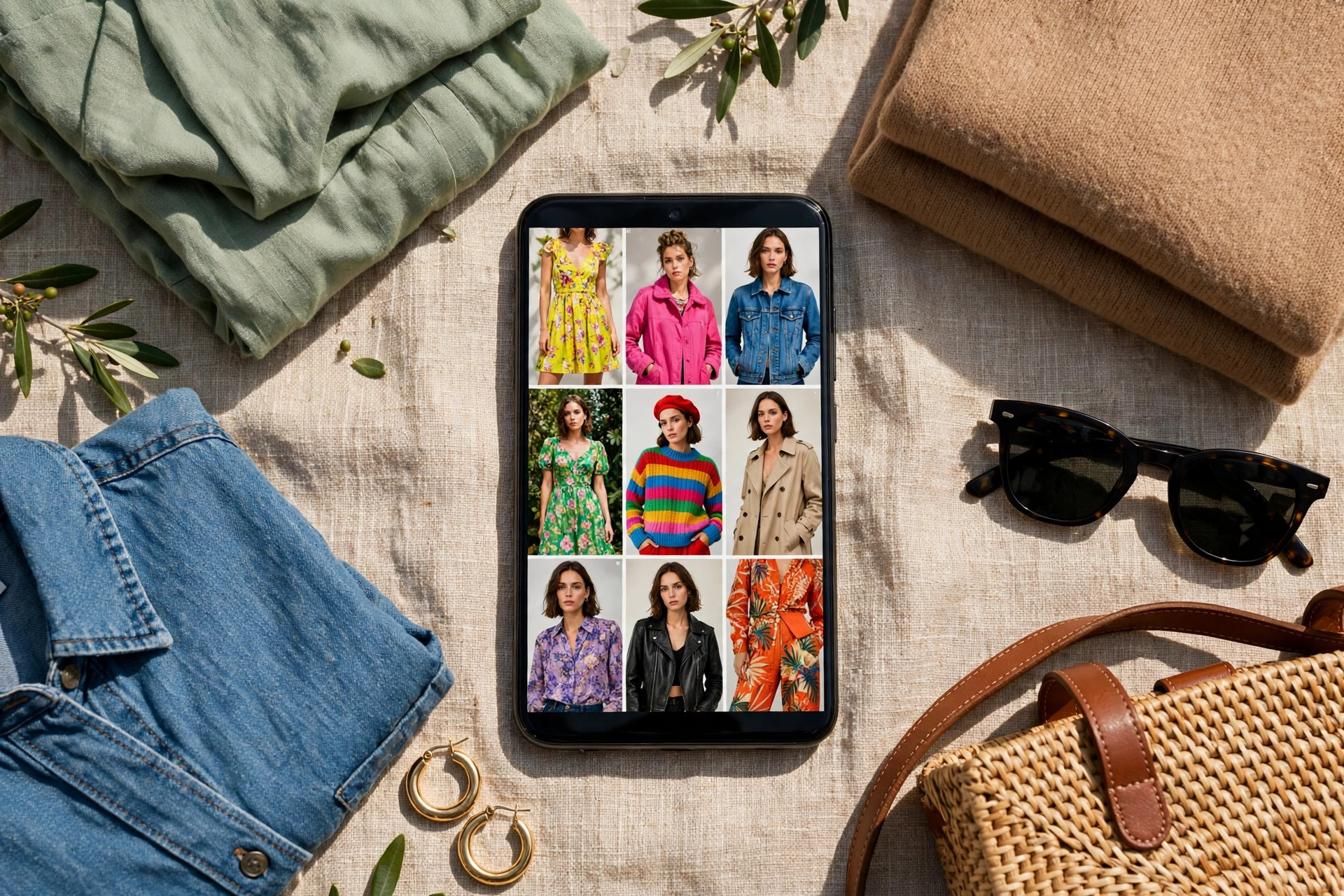
Social media is the one branch of Fashion Marketing & Brand Building where the brand speaks in its own voice, on its own account, every day — no editor's permission and no media invoice required. That freedom is why it absorbs so much effort, and why it disappoints so often when it is treated as a noticeboard. Run well, a fashion brand's social presence is where the brand identity is performed continuously: the same position, voice and imagery, expressed in small daily units, building the familiarity that makes every other channel work harder. This guide covers roles and rhythm rather than platform mechanics — for the craft of writing and running a fashion blog and content channel itself, Apparel Search's blogging section is the companion library.
What Each Platform Is For
Platforms are not interchangeable pipes for the same post; each rewards a different kind of content and gathers a different audience. Image-led platforms are fashion's natural home — the feed is a shop window and a lookbook at once, and collections are browsed there the way magazines once were. Short-video platforms reward movement, personality and process: fittings, making-of footage, styling demonstrations and the human faces behind a label travel far there. Long-video platforms hold the considered content — collection stories, craft documentaries, interviews — and keep working for years as searchable archive. Text-and-conversation platforms suit commentary, customer dialogue and the trade's own professional talk. A brand does not need all of them. It needs the ones where its customers already are, run natively — content made for the platform's habits, not cross-posted copies of one master post.
The Content Calendar: A Season, Scheduled
Professional social output is planned, because fashion's calendar is known in advance. The content calendar maps the season's fixed points — collection launches, delivery drops, restocks, sales periods, shows and events — and fills the spaces between them with the standing material every brand can prepare ahead: product stories, fabric and craft details, care advice, behind-the-scenes process, customer and creator features. Batching is the working method: photography and video captured in planned shoots (the production discipline of the photography guide applies at small scale too), written and scheduled in blocks, leaving daily effort free for replies, timely posts and the unexpected. The calendar is also where the brand voice earns its keep — a hundred small posts written by different hands stay one brand only if the voice was decided before the calendar was.

Community, Creators and the Store
An account is not a broadcast tower. Replies, comments and messages are customer service conducted in public, and their quality is visible to everyone considering a purchase. Brands also publish what their community makes: customer photographs, styling posts and reviews — shared with permission, and credited — because a garment on a real customer answers questions a campaign cannot. Creators plug into this system from the other side, through the arrangements the influencer marketing guide describes; the brand's own account is where those relationships are announced, amplified and archived. Finally, social connects downward to commerce: product tags, shop features and links shorten the path from post to purchase, while the brand's website and email list remain the channels the brand actually owns. The sensible strategy uses rented reach to build an owned audience — followers are valuable, but a customer relationship that survives a platform's change of mood is worth more.
Measuring Without Drowning
Each platform offers more numbers than any team can use. The working set is small: reach (how many people the content found), engagement rate (how many of them cared enough to act), follower growth in the brand's actual market, and the commercial line — visits, sign-ups and sales the channel can be shown to have driven, including assists it made to purchases completed elsewhere. Reviewed monthly against the calendar, those numbers answer the only questions that matter: which content earns its production time, which platform deserves more of it, and whether the whole effort is compounding or merely continuing.
More in Fashion Marketing & Brand Building
Common Questions
Which social platform matters most for a fashion brand?
The one where the brand's customers already spend their attention — which is a research answer, not a fashion answer. Visually driven platforms built around photography and short video suit most fashion brands because the product is visual, but a workwear label may find its buyers in communities and video channels a luxury label would skip. The discipline is to choose a small number of platforms, do them properly, and let the rest go, rather than posting thinly everywhere.
How often should a fashion brand post?
As often as it can sustain quality — consistency beats volume. A calendar a small team can actually keep (for example, several strong posts a week, planned around collection drops, restocks and seasonal moments) outperforms a burst of daily posting that collapses after a month. The season provides the rhythm: launches, deliveries and events are natural peaks, and quieter weeks can carry craft, care and behind-the-scenes material.
What is the difference between organic and paid social media?
Organic social is what a brand publishes to its own account and followers see without the brand paying for placement. Paid social is advertising delivered through the same platforms — promoted posts and ads targeted at defined audiences, covered in the advertising guide. The two share content: a post that performs well organically is often the best candidate to promote, and paid reach is commonly used to introduce the brand to people who then follow the organic account.
Should a fashion brand sell directly through social platforms?
Where the platform supports it and the customers are there, social shopping features — tagged products, in-app shops, live selling — shorten the path from seeing a garment to buying it, which suits impulse-friendly price points. Most brands treat social as both storefront and doorway: some purchases complete in the app, while considered purchases still route to the brand's own store, where the full range, sizing help and service live. The channel should serve the buying habit of the customer, not the other way round.
Back to Fashion Marketing & Brand Building
The Fashion Marketing & Brand Building hub maps the whole discipline — identity, public relations, advertising, influencer and social media marketing, and collaborations and licensing.