Apparel Search · Marketing Guide
Fashion Marketing & Brand Building
A garment can be beautifully made and still sell nothing if nobody ever sees it, trusts the name on the label, or remembers it at buying time. This guide explains the work that closes that gap — identity, press, advertising, creators, social media and brand deals — as it is actually practiced.

Fashion marketing is the discipline of connecting clothes with the people who will wear them. It is easy to underestimate because its outputs — a magazine story, a billboard, a creator's try-on video, a name that suddenly seems to be everywhere — look effortless from the outside. Behind each of them sits a chain of deliberate work: deciding what the brand stands for, making that identity visible and consistent, earning the attention of editors and audiences, buying media where buying works, and converting a season's attention into full-price sales before the next collection arrives and the cycle starts again.
Apparel Search has long catalogued the trade side of this world — the agencies, public relations firms and service directories linked throughout these guides. This cluster is the knowledge layer above those listings: how the work itself is done. If you want the short version first, the fashion marketing summary condenses the field onto one page; the six guides below take each branch in depth.
Marketing, Advertising and PR — the Short Distinction
Marketing is the whole discipline: understanding an audience and arranging product, price, presentation and promotion so the right people buy. Advertising is the paid slice — messages a brand buys space for and controls completely. Public relations is the earned slice — attention won through stories, samples and relationships, which the brand influences but does not control. The Apparel Search definitions include a full entry on public relations for the formal background.
The Six Guides in This Cluster
Each guide below takes one branch of fashion marketing in depth. They are written to be read in order — identity first, because every other branch spends the meaning the identity creates — but each also stands alone.
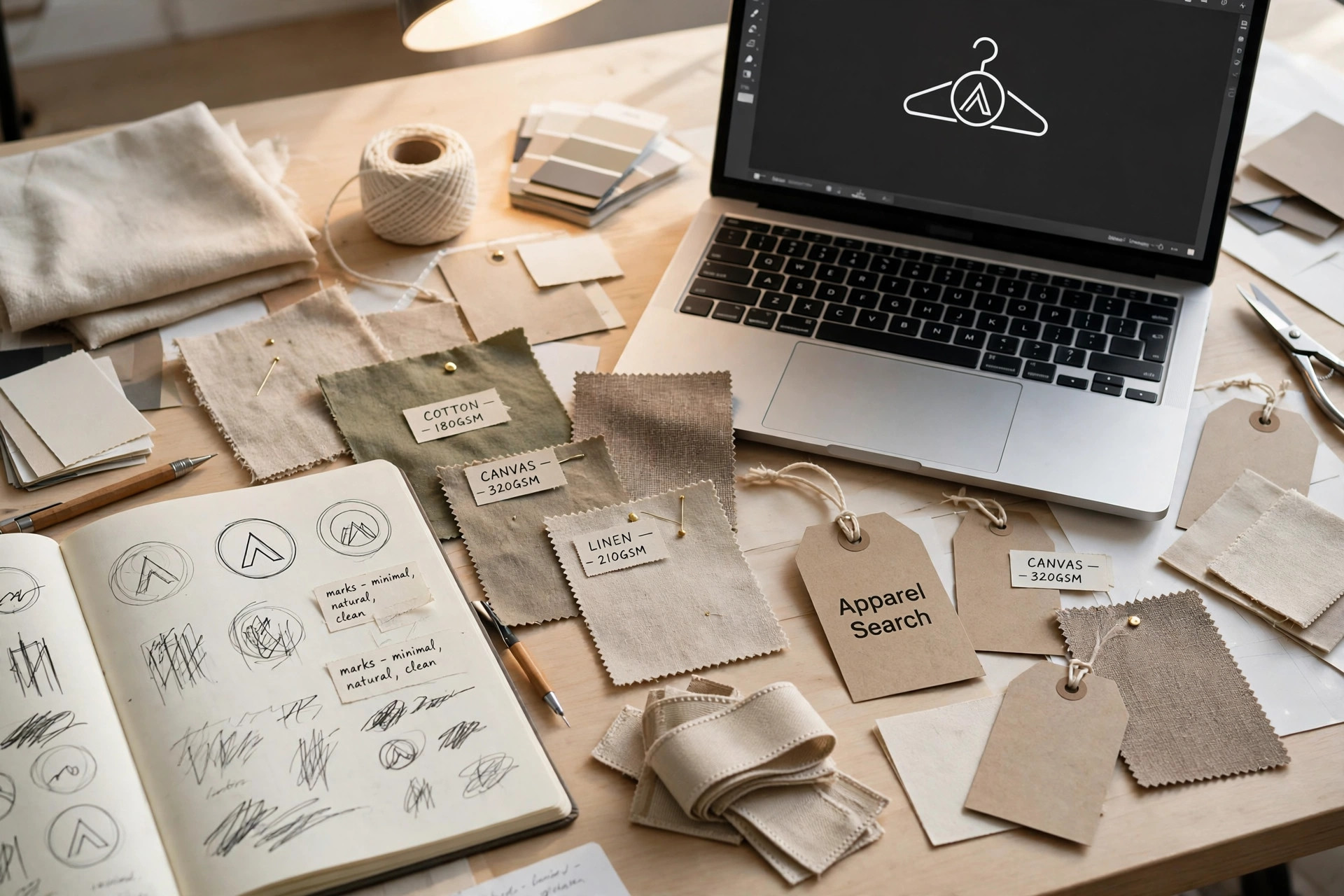 Building a Fashion Brand IdentityPositioning, voice and visual identity: how a brand decides what it stands for and makes that decision visible on every label, page and post.
 Fashion Public RelationsHow fashion PR actually works — the showroom, the sample rail, editor relationships, press days and placements — and what it can and cannot deliver.
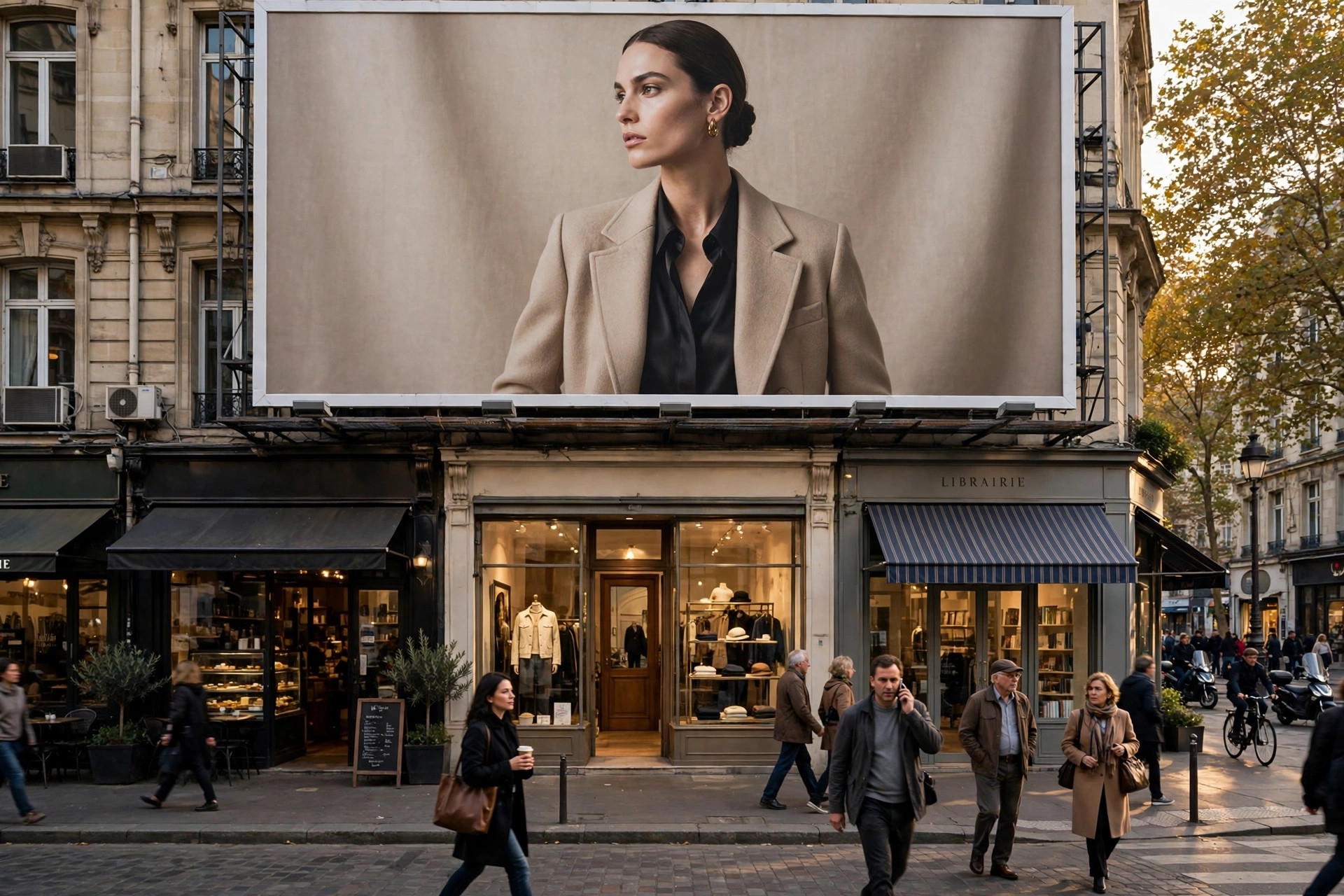 Fashion Advertising ExplainedThe channels and formats of fashion advertising, from the magazine page and the billboard to search, social and video — and how the mix has changed.
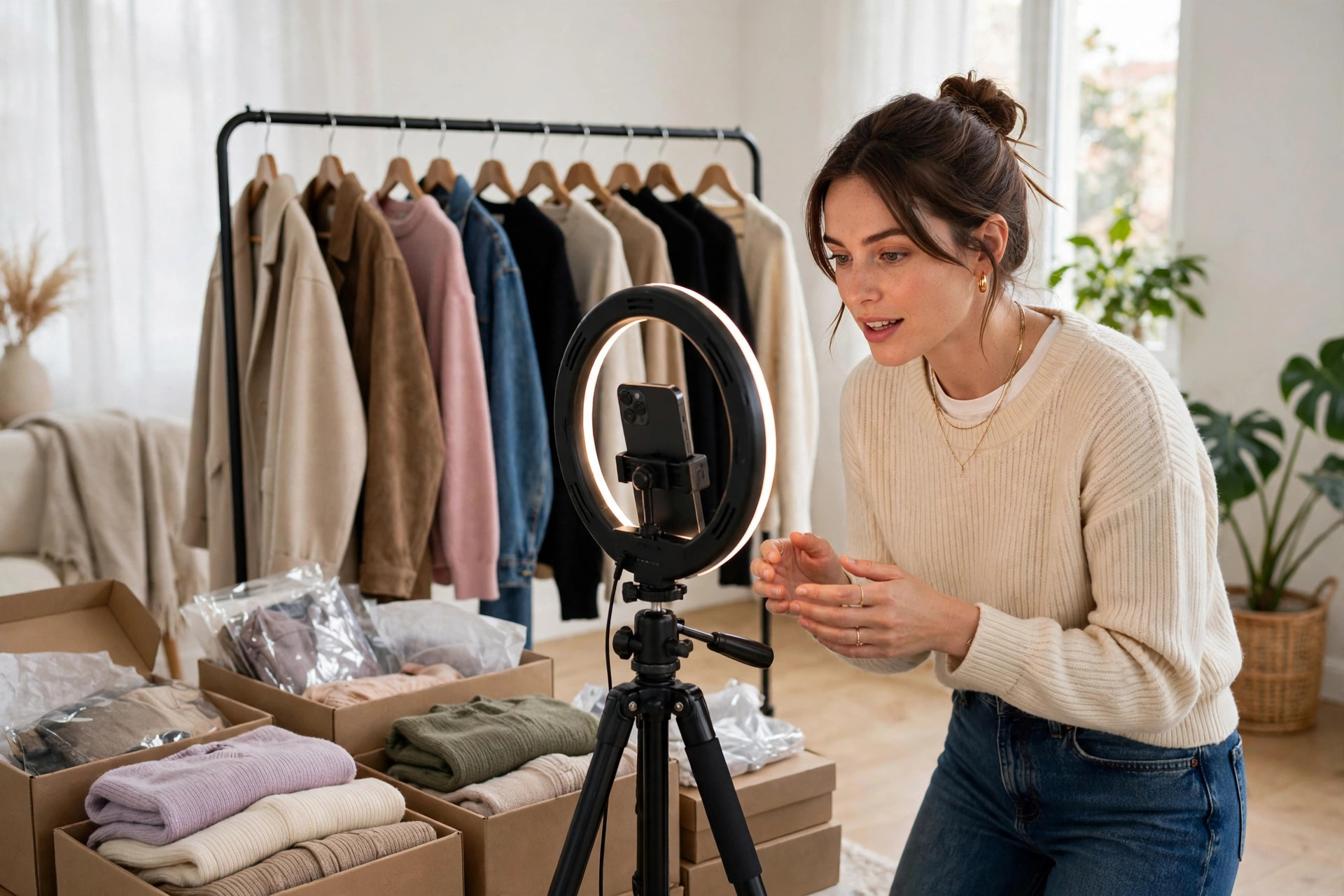 Influencer Marketing for Fashion BrandsSeeding, gifting and paid partnerships with creators: how brands find them, what the arrangements look like, and why paid promotion must be disclosed.
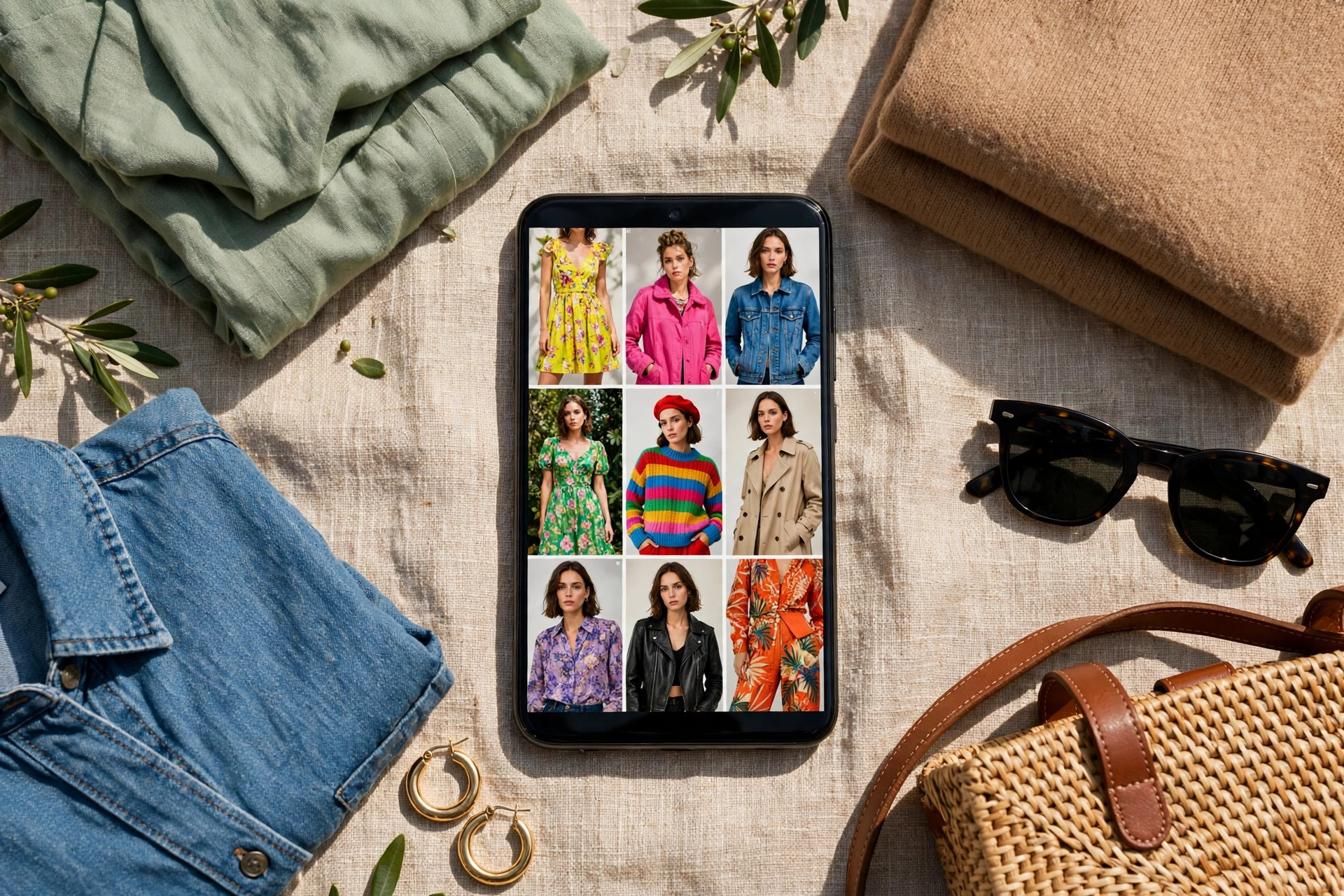 Social Media Marketing for FashionWhat each major platform is actually for in a fashion brand's mix, how content calendars work, and how social connects to the brand's own channels.
 Fashion Brand Collaborations & LicensingDesigner collaborations, capsule collections and licensing deals: how brands borrow audiences and extend into new categories without diluting the name.
Why Fashion Marketing Is Its Own Discipline
Three features make fashion marketing different from marketing in general. First, the product is seasonal: a collection has a selling window measured in weeks, so attention must arrive on schedule, not eventually. Second, the product is identity: customers buy what a garment says about them, which makes brand meaning — the subject of the brand identity guide — a commercial asset rather than decoration. Third, the industry runs on images: a collection is judged from photographs long before it is touched, which is why campaign imagery (the subject of the Fashion Photography & Media Production guide) sits at the center of the marketing operation rather than at its edge.
Those features explain the field's distinctive institutions: the press showroom and the sample rail, the seasonal press day, the front row, the gift bag, the capsule collaboration announced like a concert. Each exists because it solves a fashion-specific problem — getting perishable, visual, identity-laden product in front of the right eyes at the right moment in the season.
Who Does This Work
Large brands employ in-house teams — brand managers, PR managers, social media staff, media buyers — while smaller labels typically combine roles or hire outside help. The outside layer is an industry in itself: full-service and specialist agencies, independent publicists, stylists and producers. Apparel Search lists the practitioners in its fashion public relations directory and covers the creator side of the business in the fashion influence section, where influencer profiles form the directory layer for the influencer marketing guide in this cluster. Founders assembling their first team will also find the launch sequence in the Starting a Clothing Line guide useful — marketing decisions made at launch are much cheaper than marketing repairs made later.
However the work is staffed, it answers to the same arithmetic as the rest of the business: attention that does not eventually produce full-price sales is a cost, not an investment. The Garment Costing Guide shows the margin structure that marketing budgets are carved from, and the legal frame around claims, trademarks and licenses is covered by the Fashion Law & Intellectual Property guide.
Related Guides on Apparel Search
Common Questions
What is fashion marketing?
Fashion marketing is the work of connecting clothing, footwear and accessories with the people who will buy them: building a brand identity, earning press and public attention, running advertising, working with creators and social platforms, and staging the collaborations that keep a brand visible. It differs from general marketing because the product is seasonal, visual and tied to identity — a garment is bought as much for what it says as for what it does.
What is the difference between fashion marketing, advertising and PR?
Marketing is the whole discipline. Advertising is the paid part — space and placements a brand buys and controls. Public relations is the earned part — coverage and attention a brand wins through stories, samples and relationships rather than purchase. A sound fashion marketing plan uses both, plus owned channels such as social media and the brand's own content.
Does a small clothing brand need marketing, or just good product?
It needs both, in that order of dependency: marketing cannot rescue a product nobody wants, but a good product that nobody sees does not sell either. Small brands usually start with identity and earned attention — a clear point of view, samples in the right hands, consistent social content — because those cost effort more than money. Paid advertising generally works best once the brand already converts attention into sales.
How is fashion marketing measured?
At several depths. Reach and impressions count how many people saw a campaign; engagement counts how many responded; traffic and conversion connect attention to the store; and sell-through — the share of stock sold at full price — is the measure retailers trust most because it ties promotion to the rail. Brand-level effects such as recognition and willingness to pay full price build slowly and are tracked over seasons rather than days.
Start With the Brand
If you read only one guide in this cluster, make it Building a Fashion Brand Identity. Every advertisement, press story, creator post and collaboration spends the meaning the identity creates — brands that skip that step end up buying attention that has nothing to attach to.