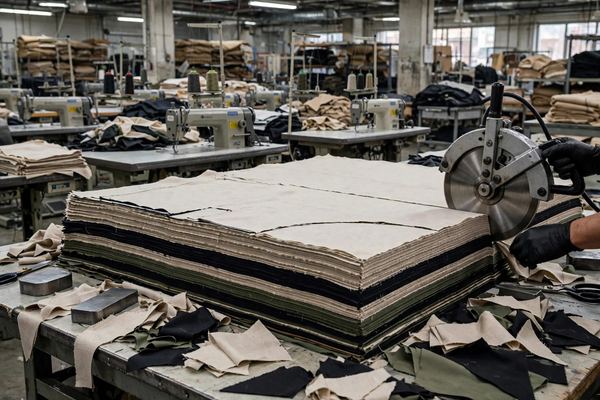
Cut and sew is the standard method of garment manufacturing: fabric is cut into pattern pieces, then sewn together into a finished garment. The term distinguishes true manufacturing from decorating pre-made blanks.
The Cut-and-Sew Process
- Marker making - pattern pieces are nested efficiently on the fabric width
- Spreading - layers of fabric are laid out on the cutting table
- Cutting - pieces are cut by hand, die, or computerized cutter
- Sewing - pieces are assembled by sewing operators
- Finishing - pressing, trimming, quality check, packaging
Cut and Sew vs Blanks
Many "clothing brands" just print on pre-made blank t-shirts. True cut-and-sew brands design the garment itself - the fit, the fabric, every detail. It's more work and higher MOQs, but it's real manufacturing and real differentiation.
Finding a Cut-and-Sew Shop
Search domestically for small-run shops (lower MOQs, higher cost) or overseas for scale. Always visit or vet thoroughly - and start with samples before committing to bulk.
FAQs
- What is a cut-and-sew shop?
- A factory that cuts fabric and sews garments from scratch, as opposed to a printer or embroiderer that decorates pre-made blanks.
- How much does cut and sew cost?
- Widely variable: a simple t-shirt might cost $8-15 per unit domestically at small volumes; complex outerwear much more. Get quotes from multiple shops.
- What MOQs do cut-and-sew shops require?
- Domestic small shops: often 50-300 units per style. Overseas: 500+. Always confirm per style per color.
Glossary: see the full fashion glossary for more apparel industry terms.