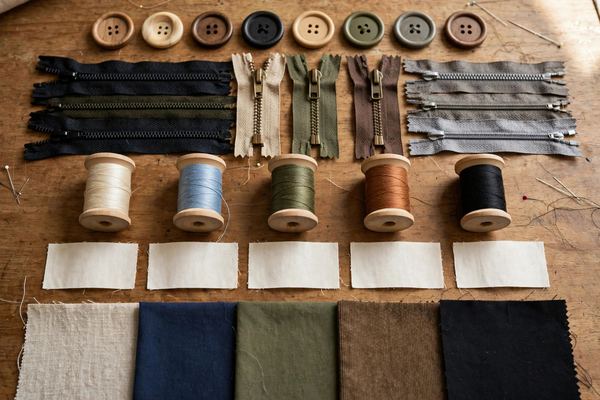
A bill of materials (BOM) is a complete list of every material and component needed to manufacture a garment - fabrics, trims, labels, packaging, and all. It's the production blueprint that turns a design into a costed, makeable product.
What a Garment BOM Includes
- Shell fabric - type, weight, color, supplier, price per yard
- Linings and interlinings
- Trims - zippers, buttons, snaps, drawcords, elastic
- Labels - main label, care label, hang tags
- Thread - type and color
- Packaging - polybags, boxes, tissue
- Quantities per unit - consumption for each component
Why the BOM Matters
The BOM drives costing, sourcing, and production planning. Without an accurate BOM, you can't price a garment, order materials, or hold a factory accountable. Errors here cascade into every later stage.
BOM vs Tech Pack
The tech pack describes how to make the garment (construction, measurements, details). The BOM lists what goes into it. They're companion documents - most tech packs include the BOM as a section.
FAQs
- Who creates the BOM?
- Usually the designer or technical designer, often with help from the production team. It evolves from first sample through bulk production.
- How detailed should a BOM be?
- Down to the SKU level: supplier name, item number, color, price, and consumption per garment. Vague BOMs cause production errors.
- Can I use a spreadsheet for my BOM?
- Yes - most small brands start with spreadsheets. Larger brands use PLM (product lifecycle management) software.
Glossary: see the full fashion glossary for more apparel industry terms.