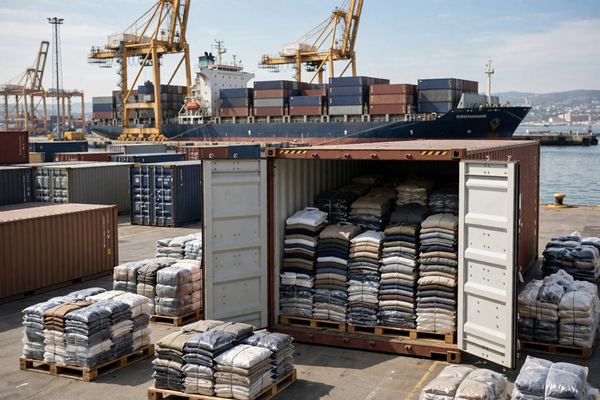
FOB stands for Free on Board - an international trade term meaning the seller delivers goods onto the shipping vessel, and responsibility transfers to the buyer at that point. In apparel, FOB is the most common factory pricing basis.
What FOB Includes
An FOB price from a garment factory typically covers: materials, labor, factory overhead, profit, export packaging, and delivery to the port. The buyer then pays for ocean freight, insurance, duties, and inland delivery.
FOB vs Landed Cost
FOB is not your total cost. Landed cost adds freight, insurance, customs duties, and delivery to your warehouse - often 20-40% above FOB. Always calculate landed cost before comparing factory quotes.
Common FOB Ports
You'll see quotes like "FOB Shanghai" or "FOB Ho Chi Minh City" - the named port is where responsibility transfers. Nearby factories may quote different ports; factor in the inland freight difference.
FAQs
- What's the difference between FOB and CIF?
- FOB: buyer arranges and pays freight and insurance. CIF (Cost, Insurance, Freight): seller includes them. CIF looks simpler but gives you less control over shipping costs.
- Does FOB include duties?
- No. Duties are always the buyer's responsibility, calculated on the customs value when goods enter the destination country.
- Should I negotiate FOB or landed pricing?
- FOB gives you transparency and control. Some buyers prefer landed/delivered pricing for simplicity - just make sure you're comparing like with like.
Glossary: see the full fashion glossary for more apparel industry terms.