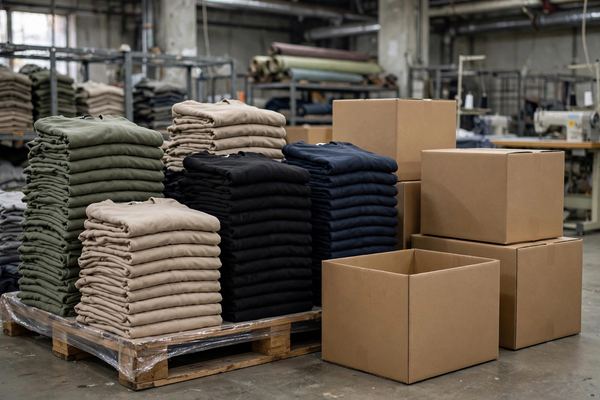
MOQ stands for minimum order quantity - the smallest number of units a manufacturer will produce in a single order. It's one of the first numbers a new clothing brand encounters, and one of the most important.
Why Manufacturers Set MOQs
Setting up production has fixed costs: pattern making, cutting markers, machine setup, and sourcing materials. A factory needs enough units per order to make those costs worthwhile. MOQs protect the factory's margins - and they vary enormously.
Typical MOQs in Apparel
- Domestic (USA) small factories: 50-300 units per style/color
- Large domestic factories: 500-1,000+ units
- Overseas factories: 500-5,000+ units per style/color
- Print-on-demand: no MOQ (1 unit), but higher per-unit cost
How Small Brands Handle MOQs
Start with fewer styles in fewer colors. Consider cut-and-sew shops that specialize in small runs. Some factories offer lower MOQs for simpler garments. And remember: MOQ is often negotiable, especially if you commit to reorders.
FAQs
- What happens if I can't meet the MOQ?
- Some factories will produce a smaller run at a higher per-unit price. Others won't budge. It never hurts to ask - the worst answer is no.
- Is MOQ per style or per color?
- Usually per style per color. A 300-unit MOQ across 3 colors means 900 units total. Always clarify this before committing.
- Do MOQs apply to samples?
- No - samples are separate and usually billed individually. But many factories credit sample costs against your first bulk order.
Glossary: see the full fashion glossary for more apparel industry terms.