Developments in Military Clothing: Performance Apparel Markets Issue 26
Issue 26 of Performance Apparel Markets, led by a detailed report on military clothing and its protective technologies
Issue 26 of Performance Apparel Markets contains a detailed report on one of the most crucial sectors of the global performance apparel market: military clothing. Military clothing plays a key role in protecting soldiers during combat: it needs to be strong and provide camouflage and comfort as well as protection against hazardous agents, bacterial infections, fire, and chemical, biological, radiological and nuclear (CBRN) agents. The terrorist attacks on the USA and the subsequent war on terror in Afghanistan and Iraq resulted in a sharp rise in demand, and the US Department of Defense alone spends more than US$2 billion a year on textiles and clothing. Subscribers with an electronic subscription to Performance Apparel Markets can download the issue from the Textiles Intelligence website. Performance Apparel Markets is published four times a year by Textiles Intelligence, which was formed in 1992 as a spin-off from the Economist Intelligence Unit.
Military Clothing: Protection First
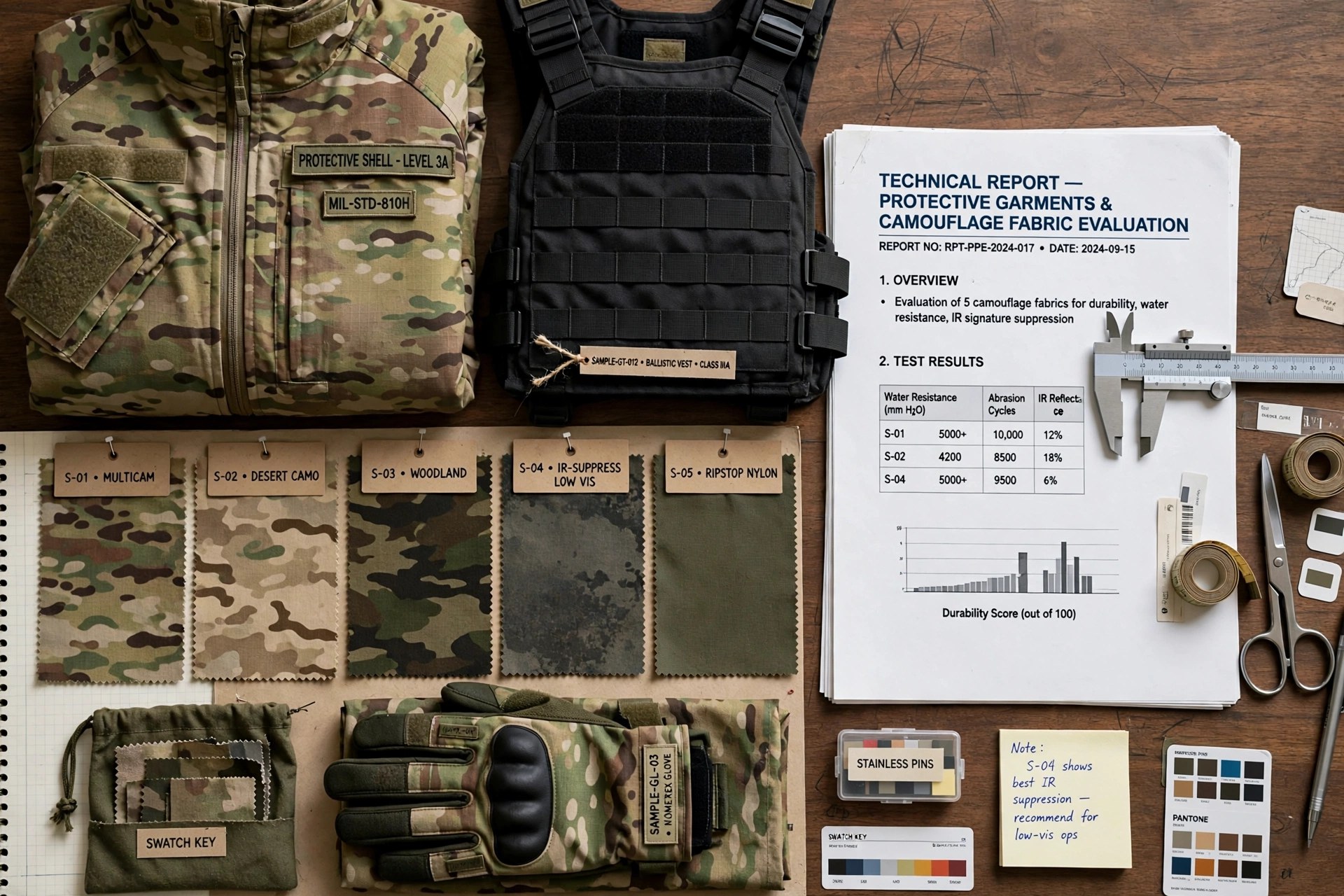
The lead report provides a detailed analysis of the military clothing sector, including information on research into materials which will improve the performance of military clothing and which could find their way into non-military markets in the future. The performance brief is unusually demanding: strength, camouflage and comfort must be combined with protection against hazardous agents, bacterial infections, fire and CBRN agents, in garments worn for long periods in combat conditions. Demand had risen sharply following the terrorist attacks on the USA and the war on terror in Afghanistan and Iraq, and the scale of the customer is stated plainly — the US Department of Defense alone spends more than US$2 billion a year on textiles and clothing.
Also in Issue 26: TenCate, OutDoor 2008 and Product Developments
The issue's company profile covers TenCate, a global leader in the supply of protective fabrics for safety wear and one of the USA's largest suppliers of fabrics for flame resistant military uniforms. A series of acquisitions broadened its operations, gave it access to new technologies and enhanced its position in niche markets for technical textiles for industrial workers, emergency responders, racing car drivers and combat soldiers. Its Defender M fabric reduces the risk of second and third degree burns by 45% compared with fabrics made from a blend of cotton and nylon. The profile covers the company's development, products, sales and markets, technology and manufacturing, strategies and objectives, and an analysis of its financial performance.
The Fast Track report presents the key developments at OutDoor 2008, held in Friedrichshafen, Germany, in July 2008, noting an increase in environmental awareness and sustainable production in outdoor clothing, products from key exhibitors and the winners of the 2008 OutDoor Industry Award. The product developments report looks at the latest fabrics for healthcare garments and performance apparel, fabric treatments, fibres and yarns for performance apparel and performance footwear, and developments in smart textiles and sportswear.
The Business Update in This Issue
As in every issue of Performance Apparel Markets, a Business Update rounds up anti-counterfeiting, corporate social responsibility, financial results of key players, investments, mergers, acquisitions, markets, trade and trade policy. The companies and organisations analysed include Adidas, Alstyle Apparel & Activewear, Berghaus, Billabong, Calvin Klein, Columbia Sportswear, Danner, Gildan Activewear, Lenzing, New Balance, Nike, North Carolina State University (NCSU), Patagonia, Perry Ellis, Puma, Quiksilver, Rapala, Reebok, Rocky Brands, Speedo, Umbro, Under Armour, Unifi and VF. For suppliers to defence and protective clothing markets, the issue connects the three levels of the trade in one place: the technology research in the lead report, a leading protective fabric supplier profiled in depth, and the wider market's business movements.
Common Questions
What does military clothing have to protect against?
As well as being strong and providing camouflage and comfort, military clothing must protect against hazardous agents, bacterial infections, fire, and chemical, biological, radiological and nuclear (CBRN) agents — the requirements analysed in the lead report of Issue 26.
How much does the US Department of Defense spend on textiles and clothing?
More than US$2 billion a year, a scale of demand that rose sharply after the terrorist attacks on the USA and the war on terror in Afghanistan and Iraq.
Which company is profiled in Issue 26?
TenCate, a global leader in protective fabrics for safety wear and one of the USA's largest suppliers of fabrics for flame resistant military uniforms; its Defender M fabric reduces the risk of second and third degree burns by 45% compared with a cotton and nylon blend.