Apparel Search · Style Guide
Seasonal Color Analysis Guide: Find Your Colors, Wear Them Well
The twelve-season color system explained — how undertone, value and chroma decide which clothing colors flatter you, full palettes for every season, and how to put yours to work in your wardrobe.

Some colors make you look rested, bright and healthy. Others — worn close to your face — can make the same person look tired, washed out or oddly yellow, even in perfect health. Seasonal color analysis is the styling framework built around that observation. It sorts the colors of clothing into four seasonal families, and then into twelve more precise sub-seasons, so that the colors you wear most often are the ones that harmonize with your own natural coloring: your skin undertone, the depth of your hair and eyes, and the contrast between them.
This guide is the hub for the whole system on Apparel Search. It explains the four seasons, introduces all twelve sub-seasons with their palettes, and points you to the detailed guides for each season and to the step-by-step method for finding your own. Think of it as a framework for making deliberate choices — a well-tested set of patterns stylists have used for decades — not a rule book that forbids a color you love.
Seasonal Color Analysis, Defined
Seasonal color analysis is a method of classifying clothing colors by their undertone (warm or cool), value (light or deep) and chroma (bright or soft), and matching those qualities to the same three qualities in a person's natural coloring. The original four-season system, popularized in the 1980s, expanded into the twelve-season system used today: each season split into three sub-seasons, one of which leans toward each neighboring season.
The Three Dimensions of Color
Every color — and every complexion — can be described with the same three dimensions. Undertone is whether a color leans warm (golden, yellow-based) or cool (rosy, blue-based). Value is how light or deep it is. Chroma is how bright and saturated it is, versus soft and muted. A season is simply a consistent combination of the three: Spring is warm, light and bright; Summer is cool, light and soft; Autumn is warm, deep and soft; Winter is cool, deep and bright. Once you see the grid, the twelve sub-seasons fall out naturally — each one emphasizes one dimension most. Our color theory for dressing guide goes deeper on these dimensions and on combining colors in outfits.
The Twelve Seasons at a Glance
Spring — warm, light, bright
Springs have warm, golden coloring and look best in clear, fresh colors with a yellow undertone. Light Spring is the lightest and most delicate, leaning toward Summer. True (Warm) Spring is the warmest, in saturated warm brights. Bright Spring has the most contrast and clarity, leaning toward Winter. See the full Spring palettes guide.
Summer — cool, light, soft
Summers have cool, rosy coloring and look best in muted, blue-based colors with a powdered softness. Light Summer is pale and delicate, leaning toward Spring. True (Cool) Summer is the classic cool, soft middle. Soft Summer is the most muted and greyed, leaning toward Autumn. See the full Summer palettes guide.
Autumn — warm, deep, soft
Autumns have warm, earthy coloring and look best in rich, golden, muted colors. Soft Autumn is the gentlest and most blended, leaning toward Summer. True (Warm) Autumn is the classic harvest palette. Deep Autumn is the darkest and most dramatic, leaning toward Winter. See the full Autumn palettes guide.
Winter — cool, deep, bright
Winters have cool coloring with strong contrast and look best in clear, saturated colors and true neutrals. Bright Winter is the most brilliant and high-contrast, leaning toward Spring. True (Cool) Winter is icy and classic. Deep Winter is the darkest, leaning toward Autumn. See the full Winter palettes guide.
The Six Guides in This Cluster
 How to Find Your Color SeasonThe full method: undertone tests, value and chroma checks, the draping test, and how to read the result — including what to do when you land between two seasons.
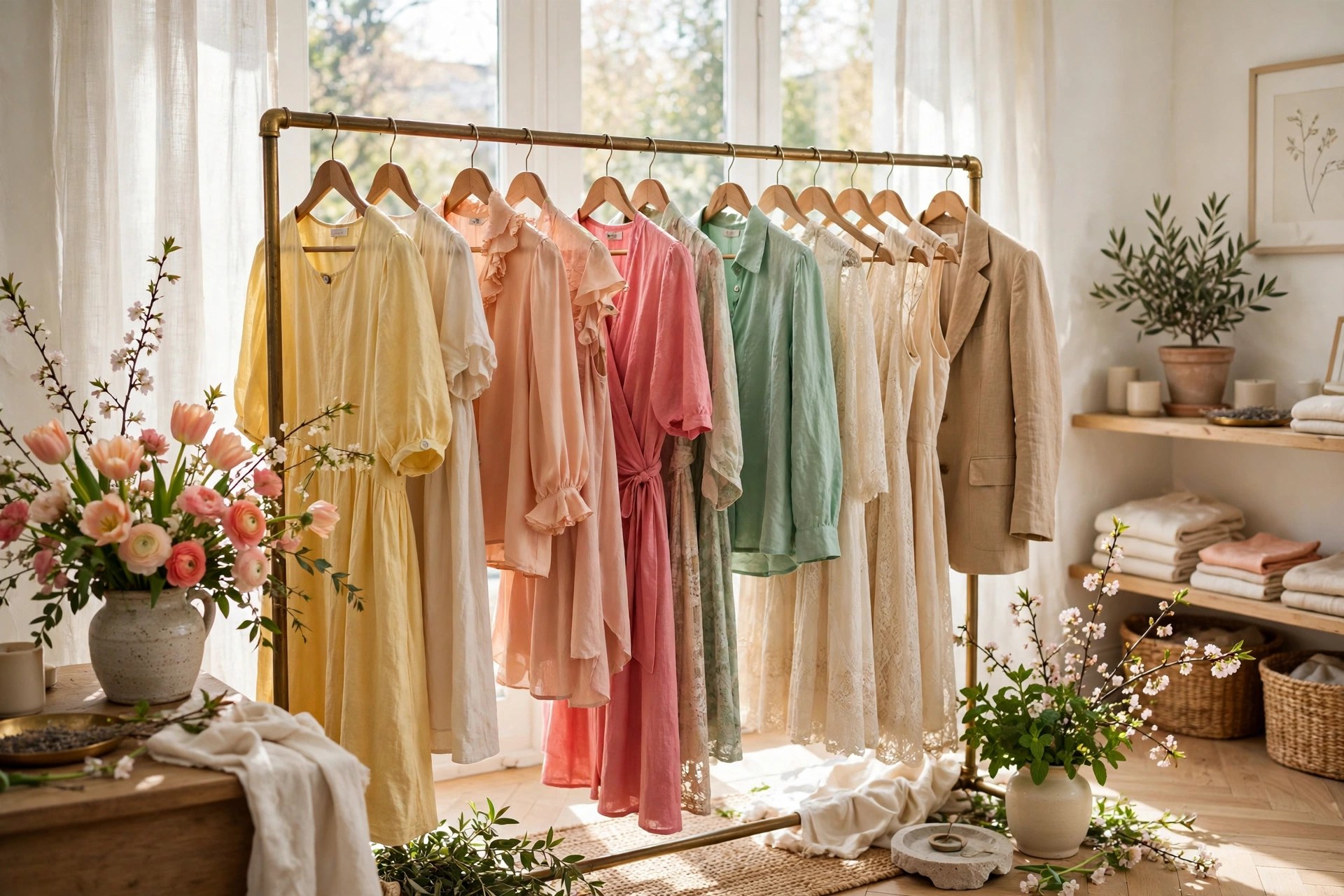 Spring Color PalettesLight, True and Bright Spring explained, with swatch palettes, best neutrals, metals, and the colors each sub-season should treat with care.
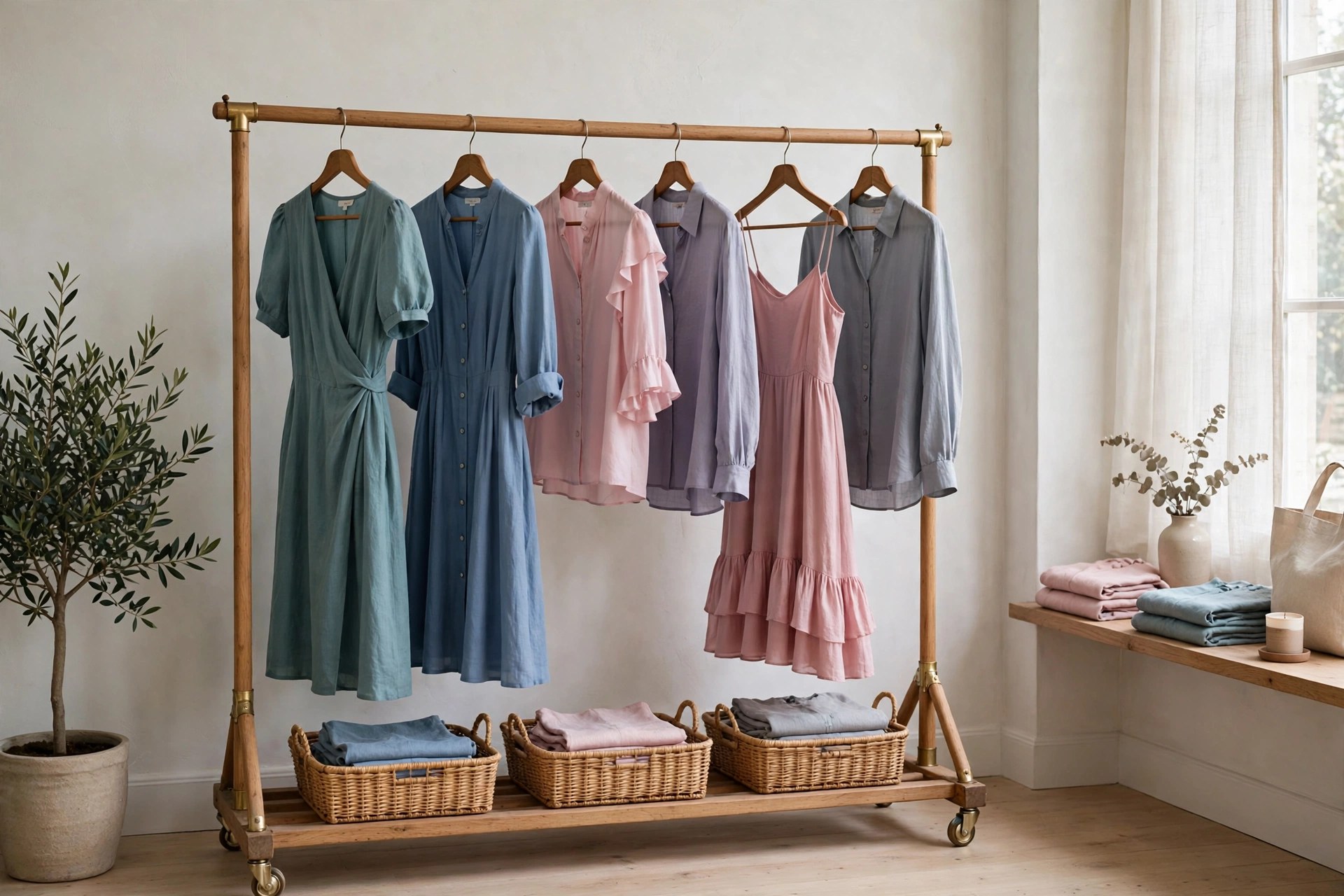 Summer Color PalettesLight, True and Soft Summer: the cool, powdered palettes, their soft neutrals and gentle contrast, and how to shop them in the by-color guides.
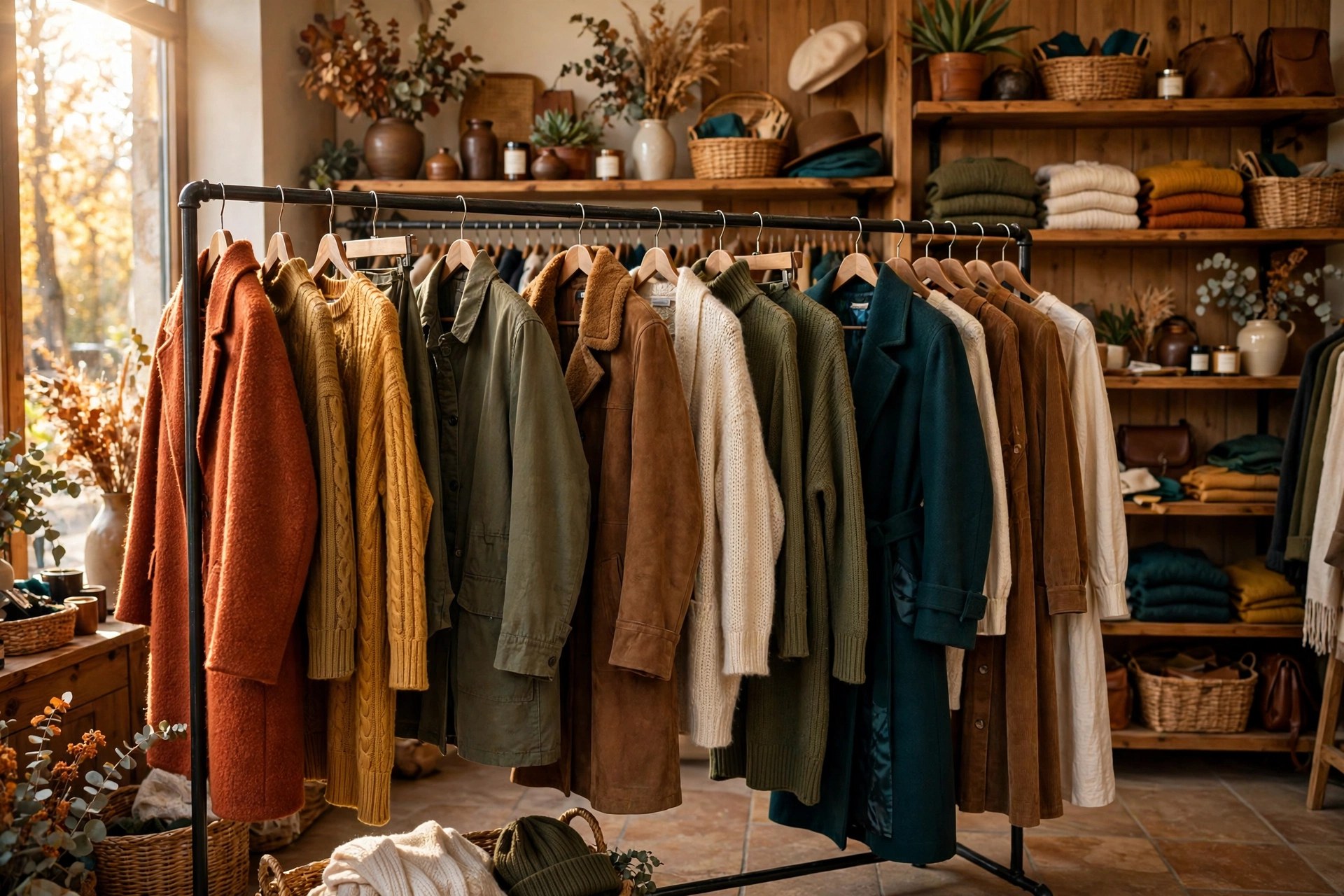 Autumn Color PalettesSoft, True and Deep Autumn: harvest colors, earthy neutrals and warm metals, with the palette differences that separate the three sub-seasons.
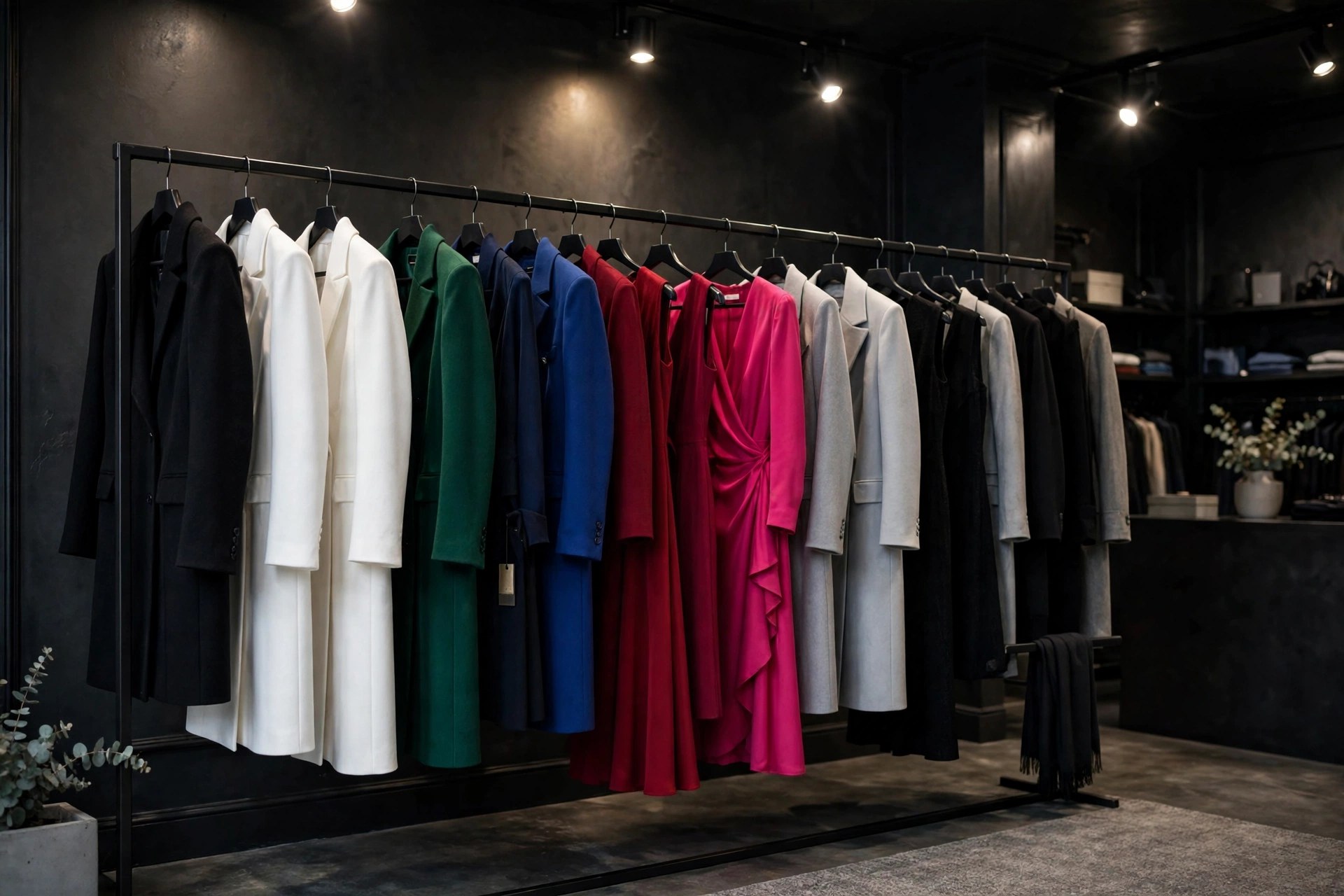 Winter Color PalettesBright, True and Deep Winter: jewel tones, true black and white, icy pastels, and the high-contrast combinations that define the season.
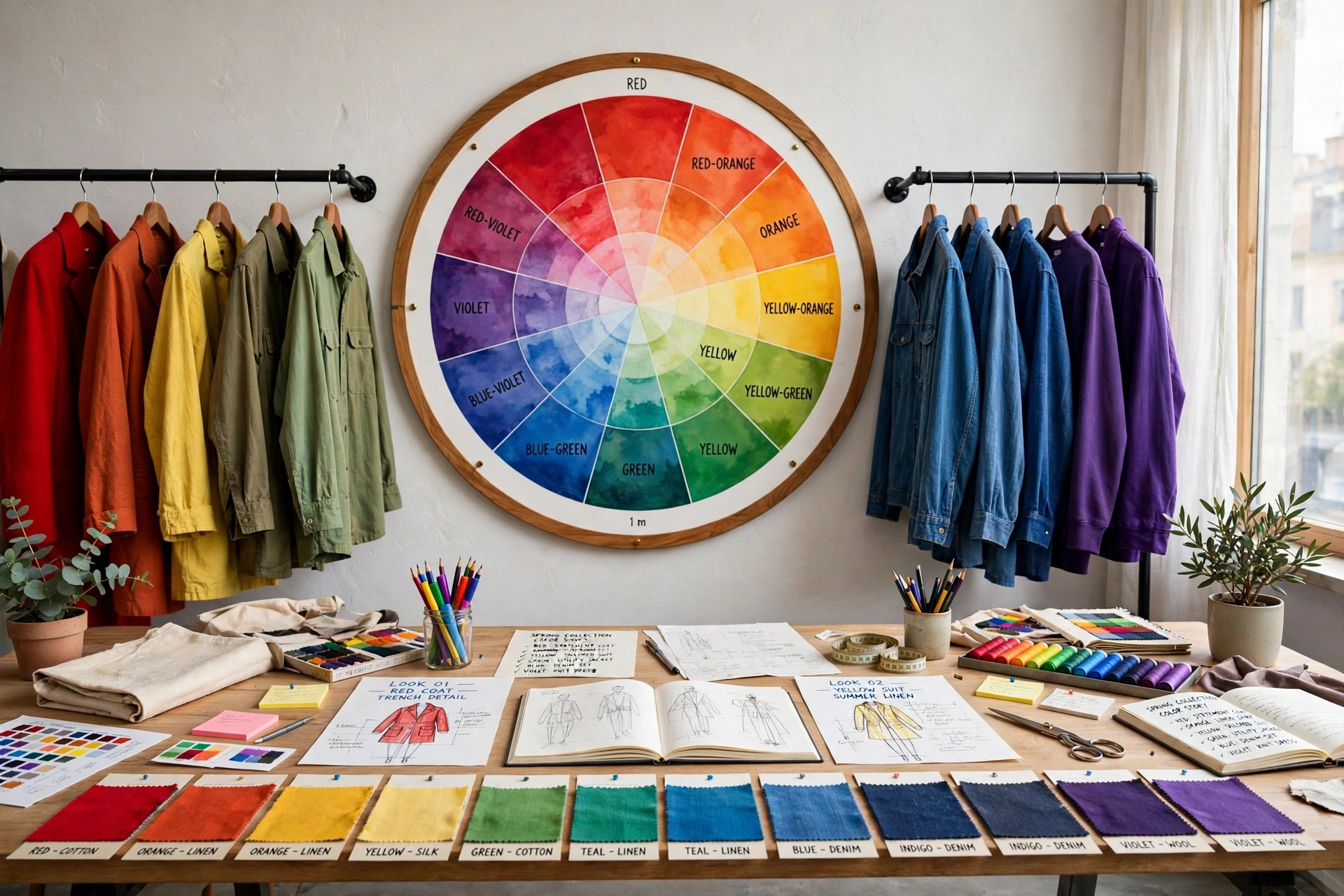 Color Theory for DressingHue, value and chroma put to work: color harmonies, neutral strategies, and how to build outfit color combinations that look deliberate.
What to Do With Your Season
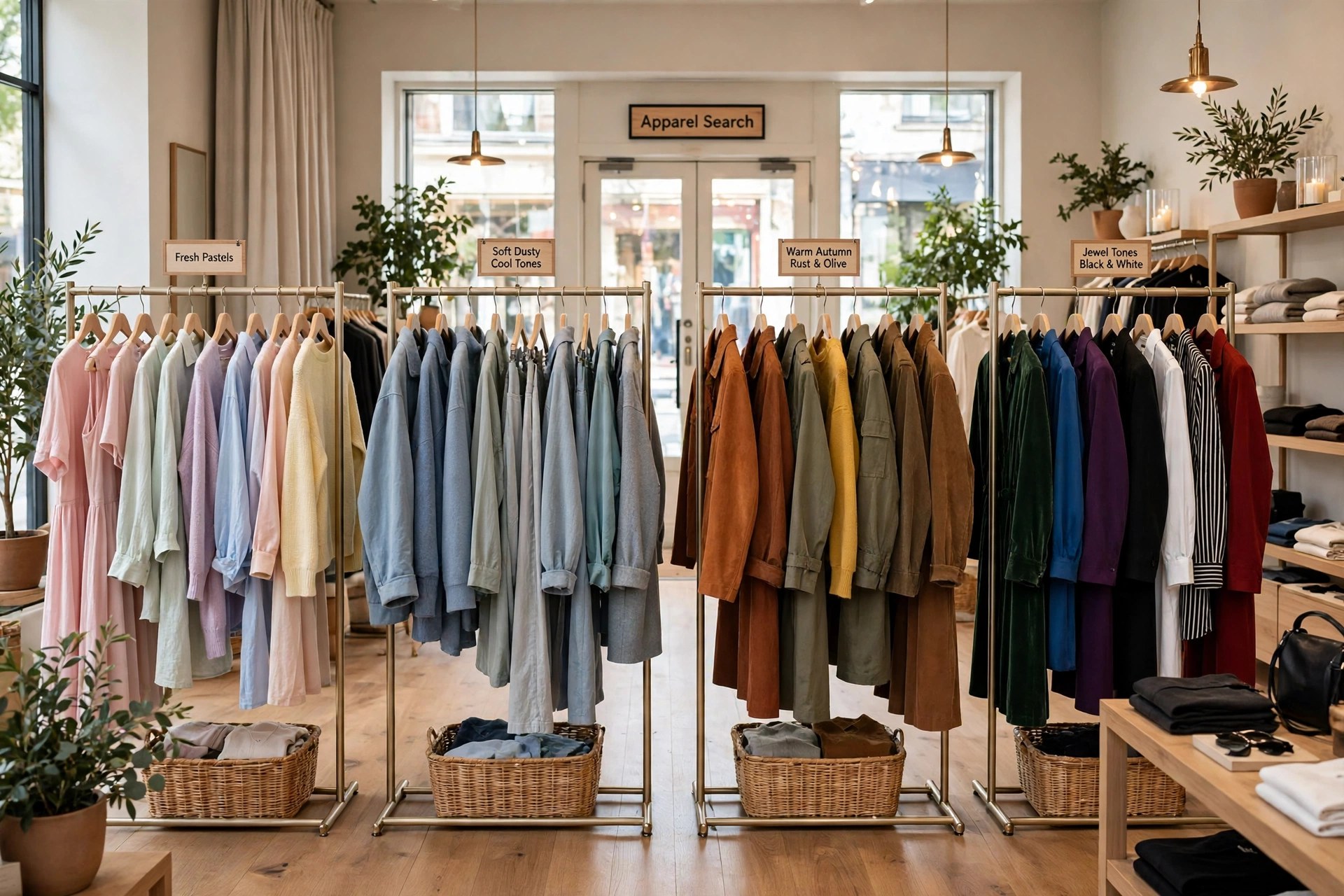
Knowing your season pays off in three practical ways. First, shopping gets faster: you scan a rail for your palette family and skip the rest, which is exactly how the Apparel Search clothes-by-color guides are organized — there are full guide families for red clothing, blue clothing, pink clothing and every other major color, so you can go straight to your shades of a color and the garments that come in them. Second, your wardrobe starts to mix and match: pieces chosen inside one palette harmonize almost automatically, which is the same principle behind a capsule wardrobe, where a limited set of colors makes every top work with every bottom. Third, near-face decisions get easier — tops, scarves, makeup shades and even hair color can be checked against your season's logic, and our broader how-to-style guides show how color choices play out garment by garment.
A final word of proportion: color analysis describes tendencies, not commandments. Palette guides are at their best used as a starting filter and a tie-breaker — and the find your season guide will show you how to confirm yours with a simple draping test at home before you reorganize a single hanger. When you do buy new pieces in your colors, the Garment Care Guide will help you keep those colors true, wash after wash.
Related Guides on Apparel Search
Common Questions
What is seasonal color analysis?
Seasonal color analysis is a styling framework that matches clothing colors to your natural coloring. It classifies colors by undertone (warm or cool), value (light or deep) and chroma (bright or soft), groups them into four seasons and twelve sub-seasons, and identifies the family that harmonizes best with your skin, hair and eyes.
What are the 12 seasons in color analysis?
The twelve seasons are Light, True and Bright Spring; Light, True and Soft Summer; Soft, True and Deep Autumn; and Bright, True and Deep Winter. Each season has three sub-seasons: the 'true' version of the season and two that lean toward a neighboring season.
Can I wear colors outside my season?
Yes. A palette is a guide to the colors that tend to flatter you most, especially near your face — it is not a ban list. Colors outside your season can be worn in trousers, skirts and accessories, balanced with a palette color near your face, or simply worn because you enjoy them.
How do I find my color season?
Work through three checks: find your undertone (warm or cool) with the gold-versus-silver or vein tests, judge your value (light or deep) and chroma (bright or soft) from your hair, skin and eyes, then confirm with a draping test, holding colors from opposite seasons near your face in natural light. Our find-your-season guide walks through each step.
Start by Finding Your Season
Everything in this cluster builds on one answer. Work through How to Find Your Color Season first — ten minutes with a mirror and a few garments will place you in a season, and the palette guides will do the rest.