SEO Technology for the Fashion Industry
Webmaster resources, key technical issues and publicity channels for clothing companies that want to be found
Is your fashion website the best that it can be? When Apparel Search first launched its directory back in 1998, SEO was not included in its technology section — it may have been because the discipline did not yet exist, or possibly simply did not yet have relevance to the industry. Fast forward to today, and it is important for clothing companies to learn about the subject.
Developing a fashion business is not only about the clothing. In today's world, having a good website is extremely important — and equally important is creating a website that people can actually find. Most people find products or services by using search engines: they go to Google or Bing, type in the name of a favorite brand, designer or store, and are shown the appropriate website along with a variety of relevant options about the same company or similar companies. This is where search engine optimization comes into play.
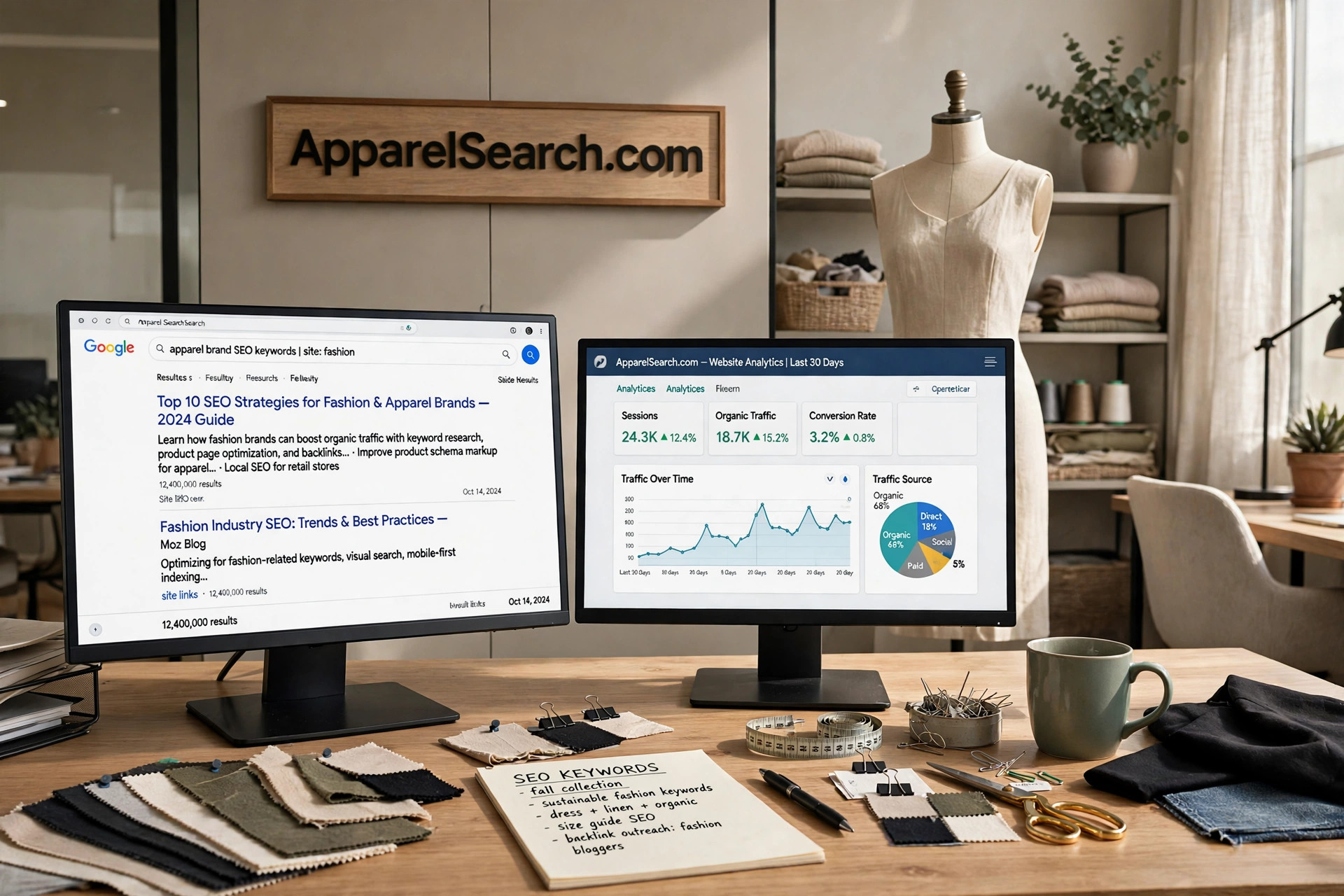
SEO Guides on Apparel Search
Keeping Up With the Algorithms
If you own or work for a fashion company that has a website, you will want your company's website to rank well in search results. The tricky part is that the engines continuously change their algorithms, so webmasters must continuously stay up to speed on the latest trends in SEO. Just in case you have not already guessed, "SEO" is an acronym — learn about fashion industry acronyms if you wish to expand your knowledge.
If your goal is to have your website rank well on Google and Bing, the starting points are the engines' own webmaster resources: Google Webmasters, Google Webmaster Tools, Bing Webmaster Tools, Bing Webmaster Help.
Key Issues to Research
Five technical topics repay study before anything else: rel="canonical" — telling the engines which version of a page is the one that counts; sitemaps — giving the engines the map of what the site contains; rich snippets — structured presentation of a page's content in results; meta tags — title, description and the rest of the signals in the page's head; and rel="nofollow" — marking links whose endorsement should not pass along.
Each of these is a small piece of code with an outsized effect on how a fashion site is indexed and displayed, and each is the kind of detail that separates a website that merely exists from one the engines understand.
Where Fashion Companies Can Publicize Their Websites
Search engines are not the only door. Social networks and communities come first: the Google+ Fashion Communities of the platform's era are the period example of meeting a fashion audience where it gathers. Fashion blogs are the second channel: the Apparel Search Fashion Blog and other fashion blogs carry news and features that search engines and readers both follow. And directories remain the third: the Clothing Industry Directory, and obviously the Apparel Search directory itself.
One more resource deserves a mention: SEOmoz — now Moz — develops SEO software, provides a robust link intelligence API, and hosts one of the web's most vibrant SEO communities. Based in Seattle, the company built SEOmoz PRO as a complete set of software, tools and resources to maximize search engine optimization, and the system can be used for the apparel industry or any other industry website.
What SEO Actually Is
Here is a partial explanation from Wikipedia: "Search engine optimization (SEO) is the process of affecting the visibility of a website or a web page in a search engine's 'natural' or un-paid ('organic') search results. In general, the earlier (or higher ranked on the search results page), and more frequently a site appears in the search results list, the more visitors it will receive from the search engine's users. As an internet marketing strategy, SEO considers how search engines work, what people search for, the actual search terms or keywords typed into search engines and which search engines are preferred by their targeted audience. Optimizing a website may involve editing its content, HTML and associated coding to both increase its relevance to specific keywords and to remove barriers to the indexing activities of search engines." Learn more in the SEO Definition on Wikipedia, and in the Web Search Engine definition as well.
Search engine optimization is certainly not easy — at Apparel Search, we are often lost in regard to making our own website rank well, as the candid SEO article from May 2013 shows. The only suggestion is to continue to do your research: hunt around for tips and techniques that will help your fashion website stand out, starting with the Fashion SEO Tips 2018 in this section. Behind all of it sits the machinery: an algorithm is a step-by-step procedure for calculations, used for calculation, data processing and automated reasoning, and search engines use algorithms to determine page ranking. Around 2000, Google's search engine rose to prominence with an innovation called PageRank — an iterative algorithm that ranked web pages based on the number and PageRank of other websites and pages that link there, on the premise that good or desirable pages are linked to more than others. Over the years, Google has modified its ranking systems and methods many times since.
More SEO & Technology Guides
Photos

Common Questions
Why does SEO belong in a fashion technology section?
When Apparel Search launched its directory in 1998, SEO was not included in its technology section — the discipline barely existed or had little relevance to the industry then. Today, developing a fashion business is not only about the clothing: a company needs a good website, and equally a website people can actually find, because most people find products and services through search engines.
What are the key SEO issues a fashion webmaster should research first?
The list this page has always given: rel="canonical", sitemaps, rich snippets, meta tags (title, description and the rest), and rel="nofollow" — the technical signals that tell search engines which version of a page counts, what the site contains, and how its content should be presented and credited in results.
Where can fashion companies publicize their websites?
In the places this guide lists: social networks and communities, fashion blogs, and directories such as the Clothing Industry Directory and Apparel Search itself — the channels where a fashion audience already gathers, alongside the search engines where that audience starts.