Wholesale Material Handling Equipment Directory by Apparel Search
Wholesale directory for clothing and textile manufacturers — material handling equipment.
This page lists wholesale suppliers and distributors of material handling equipment. The companies below sell to the trade: garment factories, textile mills, converters, laundries and other manufacturers buying for production rather than for personal use.
Machinery Guides and Resources
- Wholesale Sample making machinery
- Wholesale Finishing machinery
- Wholesale Ironing machinery
- Wholesale Knitting machinery
- Wholesale Machine spare parts
- Wholesale Apparel machinery
- Wholesale Cutting machinery
- Wholesale Embroidery machinery
- Wholesale Heat seal machinery
- Wholesale Laundry machinery
- Wholesale Needle detectors
- Wholesale Printing machinery
- Wholesale Shrink wrap machinery
- Wholesale Plotters
- Wholesale Pressing machinery
- Wholesale Sewing machines
- Wholesale Spreading machinery
- Wholesale Thread winding machinery
- Material Handling Machinery Manufacturers
- Bahrns Material Handling Equipment
- Material Handling Wholesale Corp
Material handling equipment Wholesalers and Distributors
The aim of material handling equipment
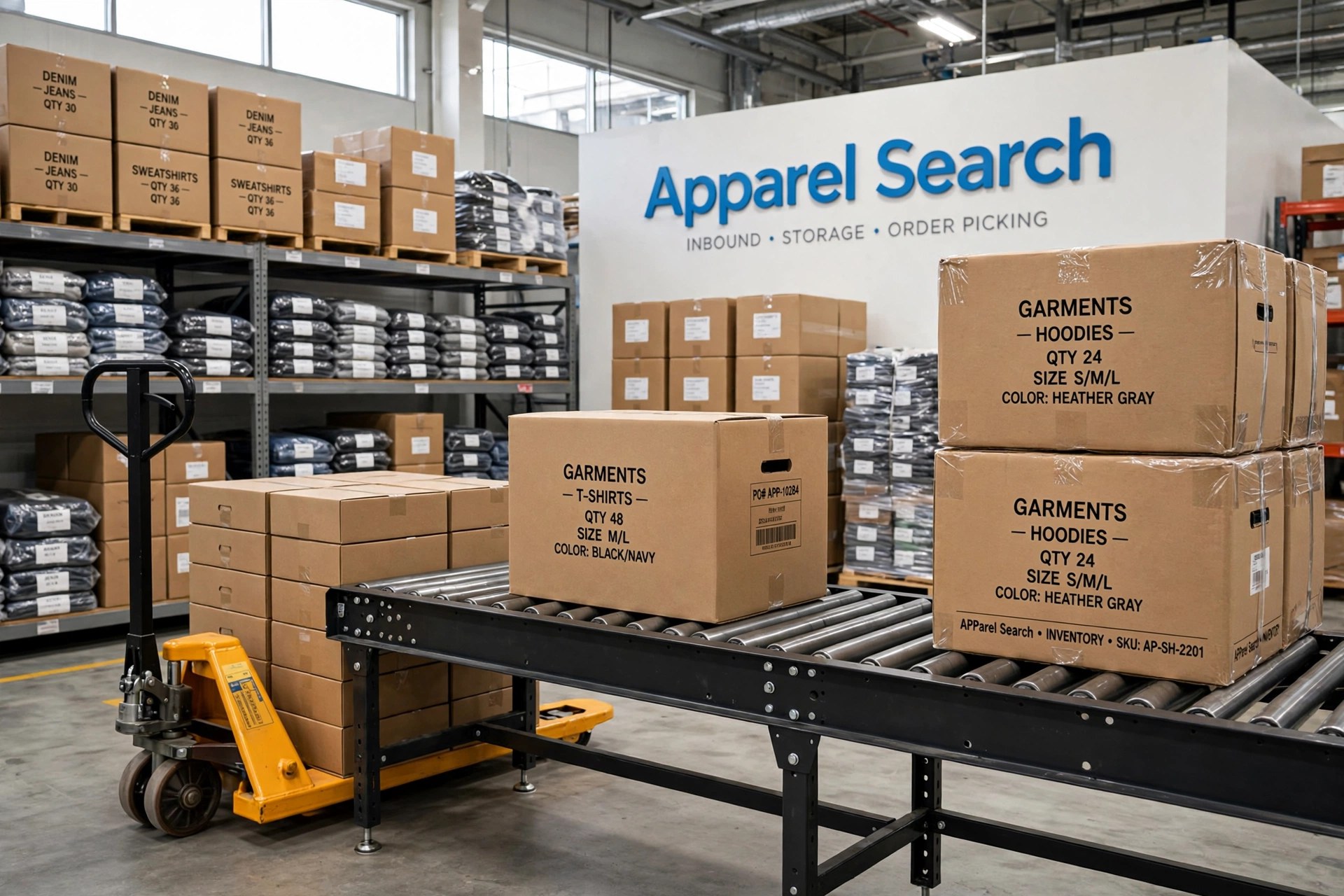
The aim of material handling equipment is to assist with the movement and storage of material within a facility such as a clothing factory or apparel warehouse. The material handling equipment can be classified into the following major types.
Transport Equipment
Transport Equipment: This equipment is used to move material from one place to another. Main types of transport equipment includes conveyors, cranes, pallet trucks, and industrial trucks.
Positioning Equipment
Positioning Equipment: This sort of equipment is essentially used to handle or adjust materials at a single location in order to use for subsequent handling, transport, or storage. Positioning equipment, unlike transport equipment, is used for handling at a single workplace.
Storage Equipment
Storage Equipment: This type of material handling equipment is used for storing materials over a period of time. Some storage equipment may include the transport of materials.
Bahrns Material Handling Equipment
Bahrns Material Handling Equipment: Offers material handling equipment and warehouse supplies, since 1966. Bahrns Equipment provides a large selection of material handling equipment products for everyday business tasks. Address: 1708 S Banker St Effingham, IL 62401 Phone # 217-342-2909
Material Handling Wholesale Corp
Material Handling Wholesale Corp: they have been in the wholesale used parts and used lift truck business for a long time. They have parted out over 12,500 parts trucks of various models and manufacturers. They are one of the largest suppliers of used forklift parts in the country. It makes sense to use USED parts to cut repair costs. They sell every conceivable used forklift part approximately 1/3 of list price.
Working With Material handling equipment
In production, material handling equipment covers conveyors, cranes, pallet trucks, industrial trucks, hoists and storage systems that move and store fabric, garments and cartons inside factories and warehouses. Buyers usually start from the garment or fabric they are making and work backwards to the specification: the right type for the product, the right capacity or size for the order, and a quality level that stays consistent from the first delivery to the last. A small mismatch at this stage, a slightly different shade, size, gauge or finish, can stop a production line or force rework on finished garments, so experienced buyers treat material handling equipment as a production input to be specified carefully, not as a commodity to be bought on price alone.
That is why the listings on this page are worth reading in full before you contact anyone. Each entry describes what the company actually sells, the markets it serves and how to reach it, so you can shortlist suppliers whose range genuinely fits your product. Where a listing gives product categories, check them against your own bill of materials or production plan. Where a company serves several industries, confirm that it regularly supplies clothing and textile manufacturers, because service, sizing systems and quality expectations differ between industries even when the product name sounds the same.
Choosing a Material handling equipment Supplier
When you compare suppliers of material handling equipment, the deciding details are load weights, travel distances and storage heights inside the facility the equipment will serve. Ask for samples, swatches, a demonstration or a trial quantity before committing to a bulk order, and confirm the specification in writing on the order itself. Agree in advance how quality will be checked on arrival, what happens if a delivery does not match the agreed specification, and how repeat orders will be handled so the second delivery matches the first. For machinery and equipment, also confirm installation, operator training, spare parts availability and local service support; for components and materials, confirm minimum order quantities, lead times and how the goods are packed for shipping.
Price still matters, but it should be compared on the full cost of using the product: yield, waste, reliability and the cost of a production delay usually outweigh a small difference in unit price. Keep a record of which supplier provided each batch, so any quality question later can be traced back quickly. If you are buying for export production, also check that the material handling equipment you choose meets the standards your customer's market requires, and keep the supplier's technical documents with the order file.
Planning ahead also protects quality. Most factories reorder material handling equipment against a production calendar rather than waiting until stock runs out, because a rushed substitute bought at the last minute is the most common cause of shade, size or performance differences between production runs. Keep approved samples of the material handling equipment you use, labelled with the supplier's name and the date, and compare every new delivery against them. If a supplier discontinues a line you depend on, that sample file is what lets another supplier match it accurately.
Common Questions
What should a buyer check before ordering material handling equipment wholesale?
Check load weights, travel distances and storage heights inside the facility the equipment will serve. Confirm the details in writing, and test a sample, swatch or trial quantity on your own fabric or product before placing a bulk order.
Who buys material handling equipment through a wholesale directory?
Garment factories, textile mills, converters, laundries and other trade buyers who use material handling equipment in production. The listings here are business-to-business suppliers, not retail shops.
What after-sales support should machinery buyers confirm?
Confirm installation, operator training, spare parts supply and local service before buying any machine. A slightly cheaper machine with no parts or service support nearby can cost far more in lost production time.