Helly Hansen Women's Fashion Brand
Founded in Norway in 1877 fact. Shop jackets & gear for Skiing, Sailing, Outdoor, and Sportswear. Through insights drawn from living and working in the world's harshest environments, the company has developed a long list of first-to-market innovations, including the first supple waterproof fabrics almost 140 years ago. A Norwegian founding in 1877, a working life in harsh environments, and waterproofing as the founding craft: this is the letter's great outdoor record, and the women's line - ski jackets, parkas, boots, shell pants, vests, rainwear, down jackets, hats, gloves and socks - is built inside it.
Shop Women's Helly Hansen Now
Shop Women's Helly Hansen on Amazon Shop Women's Helly Hansen on eBayThe Amazon and eBay links on this page are affiliate links. If you make a purchase through them, Apparel Search may earn a commission.
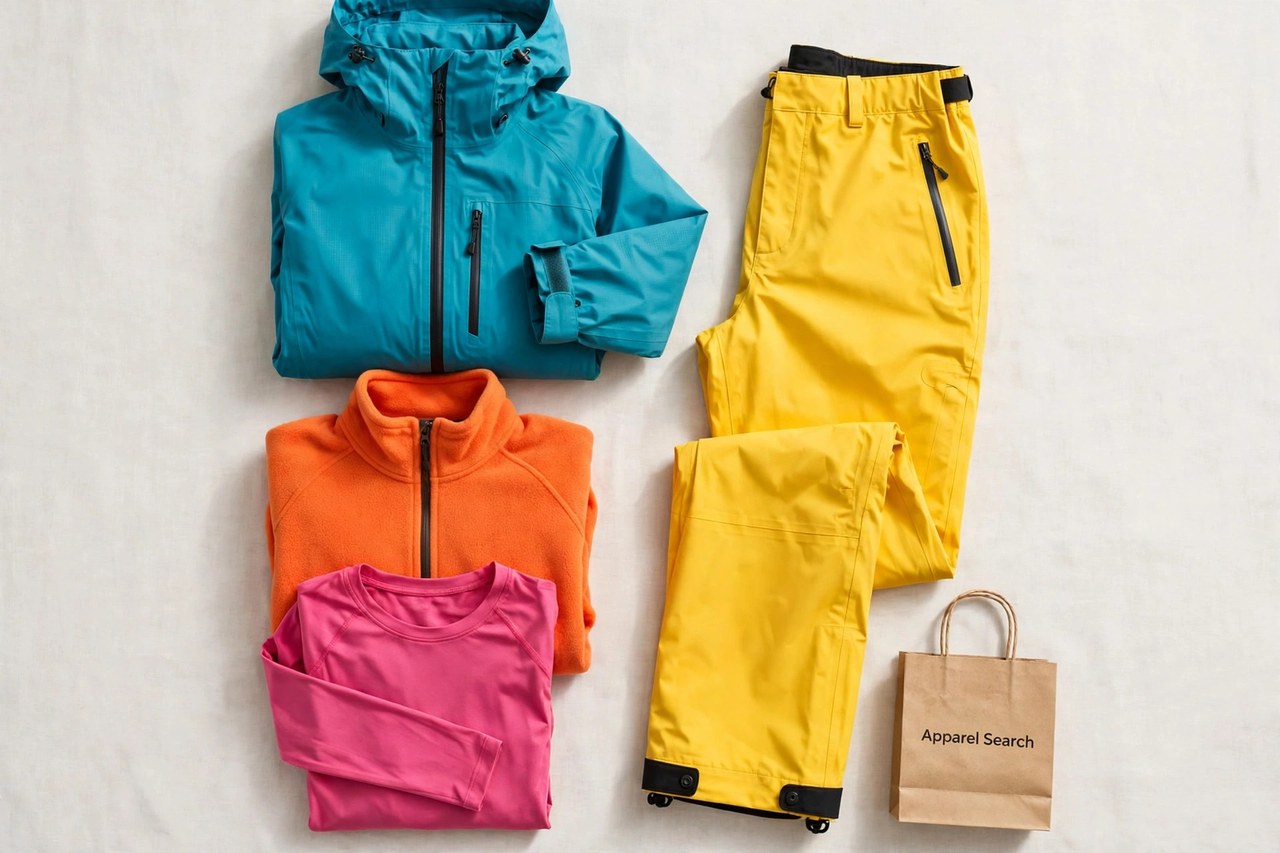
Founded in Norway in 1877 fact. Shop jackets & gear for Skiing, Sailing, Outdoor, and Sportswear. Through insights drawn from living and working in the world's harshest environments, the company has developed a long list of first-to-market innovations, including the first supple waterproof fabrics almost 140 years ago. A Norwegian founding in 1877, a working life in harsh environments, and waterproofing as the founding craft: this is the letter's great outdoor record, and the women's line - ski jackets, parkas, boots, shell pants, vests, rainwear, down jackets, hats, gloves and socks - is built inside it.
The innovation chronology is the profile's real content, and it rewards reading in order. In the 1920s a new fabric, which Helly Hansen called Linox, was developed, and over the next 30 years the name Linox would transfer to a PVC (polyvinyl chloride) application. A change came in 1949 when Helox was developed - the sheet of translucent PVC plastic sewn into waterproof coats and hats became a popular item, and about 30,000 Helox coats were produced each month. Plarex, a heavier-duty version of Helox backed by fabric, was developed for workwear. Each decade, in its telling, is a material: waterproofing improved step by named step.
Fibrepile, LIFA and the Birth of the Three-Layer System
A product developed for the outdoor and workwear markets was Fibrepile, an insulation layer for wearing under waterproofs, used by Swedish lumbermen, who discovered that it offered insulation against the cold and ventilated well during hard, physical work in the forest. The layering story was completed in the 1970s with the development of LIFA: the polypropylene fibre used in LIFA kept the skin dry and warm by pushing moisture away from the body, making it the ideal base-layer fabric. It was the birth of the 3-layer systems of dress - LIFA close to the body, Fibrepile as insulation, and rainwear for protection.
That three-layer sentence is the most useful shopping instruction in this entire letter. It tells a women's buyer to shop Helly Hansen as a system, not as garments: a base layer that moves moisture, an insulation layer that holds warmth while ventilating, and a shell that keeps weather out. Buy them to work together - base close, insulation uncompressed, shell roomy enough not to crush the layers beneath - and test any single piece by asking which layer's job it does. The Swedish lumbermen detail matters too: this system was proven by people working hard in cold forests, not styled for a photograph, and its women's versions inherit that working standard.
From Workwear to the Street, and the Ownership Record
Helly Hansen clothing developed a following among urban youth in the late 1990s, particularly in North England and with the hip hop culture in the United States, and the brand developed a mass appeal now sold in sports shops, not only the hiking and specialized clothing shops of before. That crossover is a familiar pattern for honest workwear - construction convincing enough to become style - and a shopper can hold both truths: a Helly Hansen jacket may be bought as fashion, but it should still pass the workwear tests of seams, closures and waterproofing that made it fashionable.
The ownership record runs: Investcorp acquired Helly Hansen in 1997; in October 2006 Investcorp sold its interest to Altor Equity Partners, a private equity firm focusing on investments in companies based in the Nordic region; in 2012 Altor sold a 75% stake to the Ontario Teachers' Pension Plan; and in 2015 the Ontario Teachers' Pension Plan increased its position, acquiring Altor's remaining stock. This page also carries its onward link to Apparel Search's About Helly Hansen company profile. Founded in Norway in 1877 and still layering skiers, sailors and workers in three: shop the system - LIFA, Fibrepile, shell - and the record has told you how.
Common Questions
When was Helly Hansen founded, and where?
In Norway in 1877; the company developed the first supple waterproof fabrics almost 140 years ago, through insights from living and working in the world's harshest environments.
What is the Helly Hansen three-layer system?
LIFA polypropylene base layer close to the body, pushing moisture away; Fibrepile as the insulation layer; and rainwear as outer protection - the layering story completed in the 1970s.
What was Helox?
A sheet of translucent PVC plastic sewn into waterproof coats and hats, developed in 1949 and so popular that about 30,000 Helox coats were produced each month, per the profile.
More in Women's Fashion Brands H
The H letter hub and related H brands:
Photos


More to Explore on Apparel Search
References & Further Reading
Looking for Women's Clothing Stores?
This profile helps you research the Helly Hansen women's fashion brand. To browse where to buy, visit our women's clothing store directory, where you can find retailers that carry women's clothing.