Children's Baseball Hats Guide
A children's baseball hat is the familiar six-panel cap scaled for a child's head: a structured or soft crown, a curved brim that shades the eyes and face, and an adjustable back that lets one cap fit for several seasons. It is at once sun protection, team uniform and the hat children will actually keep on - the brim faces forward, the logos face outward, and a cap a child likes is a cap that does its protective job.
Shop Children's Baseball Hats Now
Shop Children's Baseball Hats on Amazon Shop Children's Baseball Hats on eBayThe Amazon and eBay links on this page are affiliate links. If you make a purchase through them, Apparel Search may earn a commission.
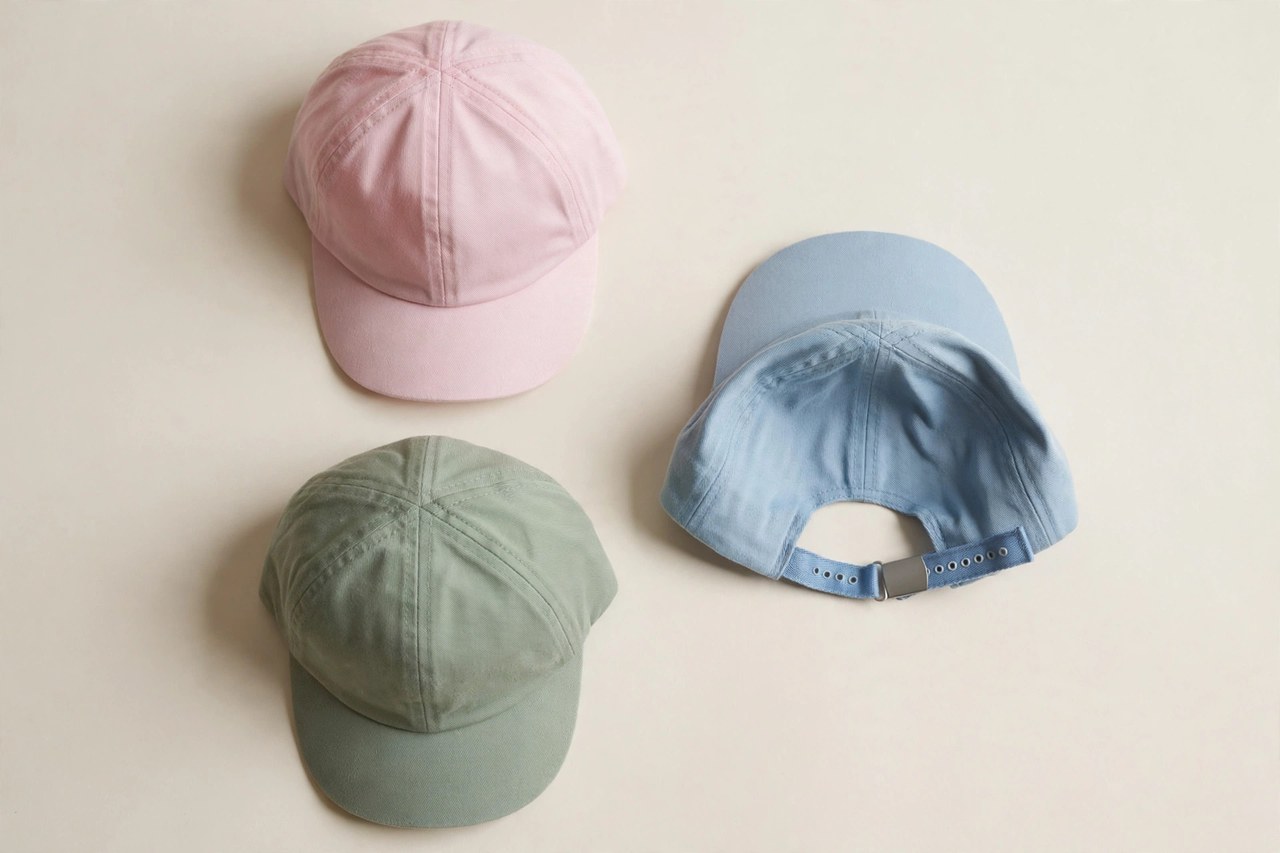
A children's baseball hat is the familiar six-panel cap scaled for a child's head: a structured or soft crown, a curved brim that shades the eyes and face, and an adjustable back that lets one cap fit for several seasons. It is at once sun protection, team uniform and the hat children will actually keep on - the brim faces forward, the logos face outward, and a cap a child likes is a cap that does its protective job. This guide walks through the choices that matter - style, fit, fabric and finish - with the practical detail a product listing rarely gives, and closes with the care habits that keep the garment in service.
Styles and Construction
Panel construction decides comfort in heat: mesh-back trucker styles ventilate best for summer play, solid cotton twill gives the most shade, and performance synthetics with a moisture-wicking sweatband suit sport. Eyelets or laser-cut vents matter more than color on a July afternoon. For the youngest children, look for a soft, unstructured crown and a brim that folds rather than cracks; for team players, the league usually specifies the cap, and the purchase is a size question only. The specialist reference baseballhat.org remains a useful history of the cap's styles.
Children's accessories succeed on safety and simplicity: no small detachable parts for the youngest children, no long cords or ties that can catch on playground equipment, and closures a child can work alone. Materials should tolerate the child's real life - washable, chew-resistant for toddlers, and free of rough edges against skin. An accessory that needs adult help every time it is worn will simply stop being worn, however handsome it looks in the shop.
Fit and Sizing
Sun safety sets the fit standard: the brim should shade the face without pushing the cap up, and the crown should sit securely enough to stay on in wind and running without a strap under the chin for older children. For toddlers, a cap is fair-weather shade, not all-day protection - pair it with shade and sunscreen on ears and neck, which no baseball brim covers. Adjustable backs beat fitted sizes for growing heads in almost every case.
Accessories fit by measurement, not by age label: head circumference for hats, waist for belts measured over the trousers the belt will hold up, and hand length for gloves. Makers' charts vary more for accessories than for clothing, so measure and read the chart every time. Anything worn at the neck or head must fit close enough to stay put in play and loose enough to pull off easily - if a child cannot remove it alone, it does not fit yet.
Wearing and Care
Caps wash better than their reputation: most cotton and synthetic caps tolerate a gentle machine wash in a cap cage or a hand wash, then air-dry over a bowl to hold the crown's shape. Sweatbands are the first part to suffer; a rinse after heavy summer use keeps them fresh. Keep a spare in the school bag or car - caps are the most-lost item in this letter after gloves, and the spare is what makes the loss a shrug.
Store children's accessories where the child can reach them - a low basket for hats and gloves, a hook for the belt - because an accessory with a home is an accessory that gets worn and does not get lost. Wash hats and soft accessories on the gentle cycle inside a mesh bag, reshape while damp, and check straps, buckles and fasteners monthly for cracks or looseness. Keep a spare pair of gloves and a spare hat from the start; winter loses them on schedule.
Common Questions
What size baseball hat does a child need?
Measure head circumference just above the ears and match it to the maker's chart; most children's caps are sold as toddler, kids or youth sizes with adjustable backs covering several centimeters. Choose the adjustable style unless a league specifies a fitted cap, and set the strap so the cap stays on in a head shake without leaving a mark.
Are baseball hats good sun protection for children?
Partly: a baseball cap shades the face and scalp well but leaves ears and the back of the neck exposed, so it is not complete sun protection. For long days outdoors, pair the cap with sunscreen on ears and neck, or choose a legionnaire-style cap with a neck flap for the youngest children. A UPF rating on the fabric is a genuine plus.
How do you wash a child's baseball cap?
Hand wash in cool water with mild detergent, or machine wash gently inside a cap cage if the maker allows it. Reshape the crown over a bowl or ball and air-dry - never tumble dry, which shrinks the sweatband and warps the brim. Leather or cardboard brims in vintage-style caps should be spot-cleaned only.
More in Children's Clothes Guide B
The B letter hub and the guides closest to this one:
More to Explore on Apparel Search
References & Further Reading
Looking for Children's Clothing Stores?
This guide helps you choose children's baseball hats. To browse where to buy, visit our children's clothing store directory, where you can find retailers that carry them.