Children's Tutus Guide
A children's tutu is a dance garment, and this guide covers it strictly as a piece of constructed clothing: its netting, bodice, waistband and care. The original guide set out the definition this page builds on: the modern tutu is a dress worn as a costume in a ballet performance, often with an attached bodice, and it may be made of tarlatan, muslin, silk, tulle, gauze or nylon. It then named the two basic types every buyer must distinguish: the Romantic tutu, soft and bell-shaped, reaching the calf or ankle, and the Classical tutu, short and stiff, projecting horizontally from the waist and hip.
Shop Children's Tutus Now
Shop Children's Tutus on Amazon Shop Children's Tutus on eBayThe Amazon and eBay links on this page are affiliate links. If you make a purchase through them, Apparel Search may earn a commission.
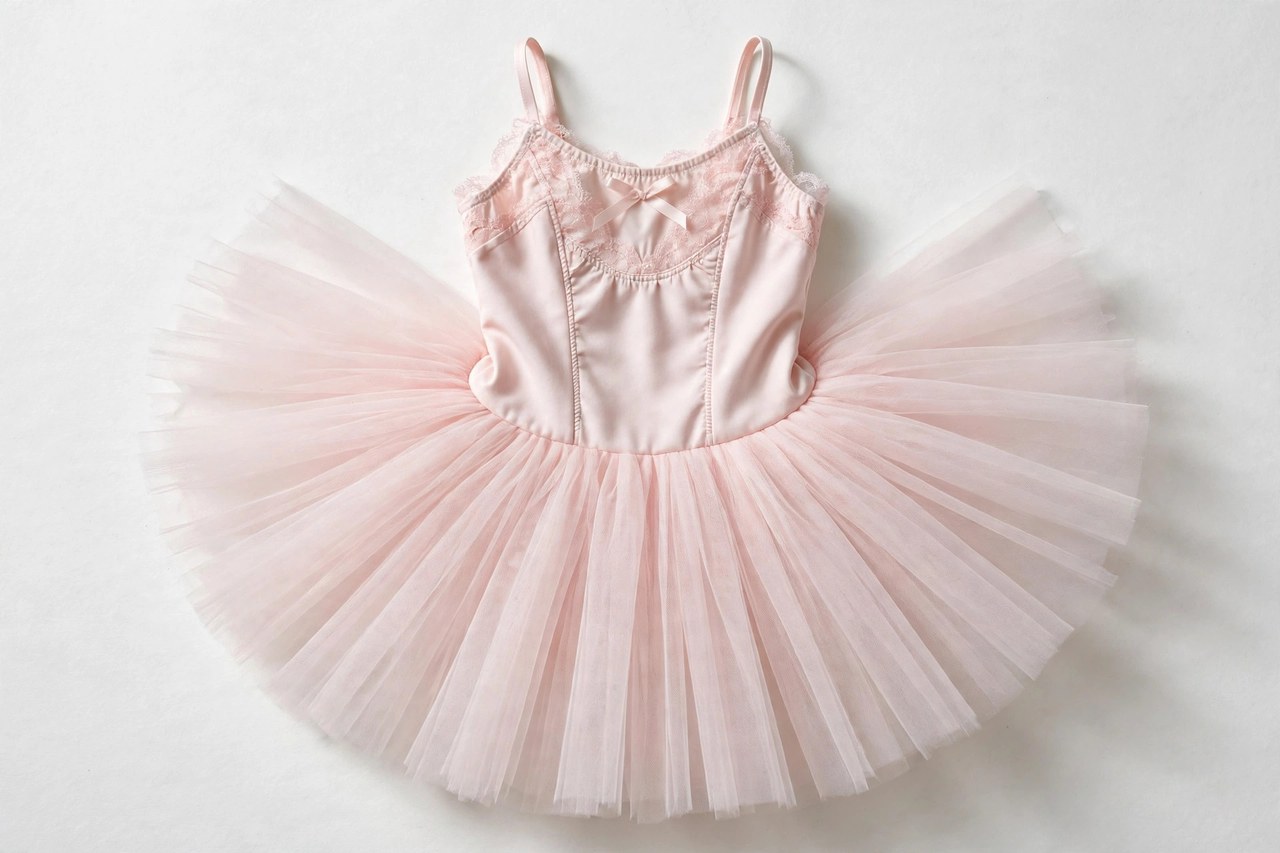
A children's tutu is a dance garment, and this guide covers it strictly as a piece of constructed clothing: its netting, bodice, waistband and care. The original guide set out the definition this page builds on: the modern tutu is a dress worn as a costume in a ballet performance, often with an attached bodice, and it may be made of tarlatan, muslin, silk, tulle, gauze or nylon. It then named the two basic types every buyer must distinguish: the Romantic tutu, soft and bell-shaped, reaching the calf or ankle, and the Classical tutu, short and stiff, projecting horizontally from the waist and hip.
Children meet the tutu in two different worlds that shops blur together: the ballet class and performance, where the tutu is a specified costume with conventions set by the school, and dress-up play, where any froth of netting delights. The construction standards differ sharply between the two, so this guide keeps them separate throughout — buy for the job the garment will actually do, and check the dance school's own uniform and costume rules before any performance purchase.
The Two Types: Romantic and Classical Construction
The Romantic tutu is a long, soft skirt of layered netting or tulle falling in a bell shape to the calf or ankle, attached to a fitted bodice or basque. Its layers move as one flowing mass, it is the costume of the Romantic-era ballets, and for children it is the forgiving type: soft netting, no rigid structure, comfortable to wear through a whole performance and kind to sit in between scenes. Layers are graduated so the skirt falls smoothly, and the softest constructions use four or more layers of fine net over an underskirt.
The Classical tutu is an engineering project by comparison: a short skirt of stiffened netting projecting horizontally from the waist and hip line, held out by graduated layers of progressively shorter, stiffer net tacked together, often over a hooped or wired structure in performance versions, worn with a separate fitted bodice or one attached to the basque. For children's performances, schools usually specify softened practice or performance versions — shorter wear time, lighter netting, no wire — and the pancake silhouette is achieved with fewer, kinder layers. If a school specifies a tutu, its specification, not a shop's prettiest photograph, is the buying document.
Fabrics, Waistbands and Fit for Young Dancers
The original guide's fabric list is a history of the garment: tarlatan and muslin in early tutus, silk and gauze in fine ones, and tulle and nylon net in nearly everything made for children today. Nylon tulle is the practical standard — light, springy, resistant to tearing, and available in the stiffness grades the two types require. Judge netting by hand: performance layers should feel crisp in Classical styles and silky in Romantic ones, and no tutu for a child should have scratchy net edges against the waist or legs, a fault a smooth basque lining exists to prevent.
Fit centres on the waist and bodice, because netting weighs almost nothing and forgives everything. The waistband or basque should sit at the natural waist, firm enough that the skirt's line does not slide during movement, fastening with hooks, snaps or a wide elastic that an adult can adjust between growth spurts. Attached bodices follow leotard fit — close, smooth, straps that stay — and the dancewear guide in this directory covers the leotard and class-wear family the tutu is worn with. For play tutus, a simple elastic waistband and two or three soft layers are honestly sufficient, and washable netting matters more than silhouette.
Care, Storage and Making a Tutu Last
Netting remembers how it is stored. Hang a tutu by waist loops or store it flat and uncrushed; a Classical tutu stuffed into a bag loses its horizontal line, though steaming — never ironing — can revive flattened layers: hang the garment in a steamy bathroom or use a garment steamer at a distance, and let the net relax back into shape. Romantic tutus travel better, rolling softly, but still crease if left compressed for weeks. Keep tutus away from rough surfaces and hook-and-loop fastenings, which tear fine net on contact.
Cleaning is minimal and careful: most tutus are spot-clean or gentle-hand-wash only — check the maker's label, because stiffened Classical netting can lose its dressing in water — and dry flat or hanging, never tumble-dried. Repair small net tears by tacking layers back together rather than sewing through gathered net under tension. Between performances, inspect the waistband fastenings and bodice seams, the two places stress concentrates. Bought to the school's specification, fitted at the waist and stored uncrushed, a children's tutu keeps its shape through a full run of performances and hands down to the next young dancer in the family — smile and be happy for them, as the original guide said of a child in a tutu, and let the garment be worthy of the occasion.
Common Questions
What are the two basic types of tutu the original guide named?
The Romantic tutu — soft and bell-shaped, reaching the calf or ankle — and the Classical tutu — short and stiff, projecting horizontally from the waist and hip. The modern tutu may be made of tarlatan, muslin, silk, tulle, gauze or nylon, and is often worn with an attached bodice.
What fabric are most children's tutus made from?
Nylon tulle netting, the modern practical choice from the original guide's fabric list: light, springy and tear-resistant, in stiffness grades for both types. Check that no scratchy net edges sit against the waist or legs — a smooth basque lining should prevent that — and follow the school's specification for any performance tutu.
How should a tutu be stored and revived if it flattens?
Hang it by its waist loops or store it flat and uncrushed — never stuffed into a bag. Flattened layers revive with steam, from a steamy bathroom or a garment steamer held at a distance; never iron netting. Most tutus are spot-clean or gentle-hand-wash only, since stiffened netting can lose its dressing in water.
More in Children's Clothes Guide T
The T letter hub and related T guides:
Looking for Children's Clothing Stores?
This guide helps you choose children's tutus. To browse where to buy, visit our children's clothing store directory, where you can find retailers that carry them.