Children's Dancewear Guide
Children's dancewear is the clothing made for dance class, rehearsal and performance: leotards, unitards, wrap skirts, shorts, leggings, tights and the shoes each dance form requires. The original guide began from the art form itself, and the definition is worth keeping: dance is a performance art form consisting of purposefully selected sequences of human movement, movement that has aesthetic and symbolic value and is acknowledged as dance by performers and observers within a particular culture. Dance can be categorized by its choreography, by its repertoire of movements, or by its historical period or place of origin - and each category brings its own clothing, which is why dancewear is not one garment but a small wardrobe system. This guide explains what to look for, how class sizing actually works, which fabrics and constructions earn their price, and how to care for the kit so it lasts the term.
Shop Children's Dancewear Now
Shop Children's Dancewear on Amazon Shop Children's Dancewear on eBayThe Amazon and eBay links on this page are affiliate links. If you make a purchase through them, Apparel Search may earn a commission.
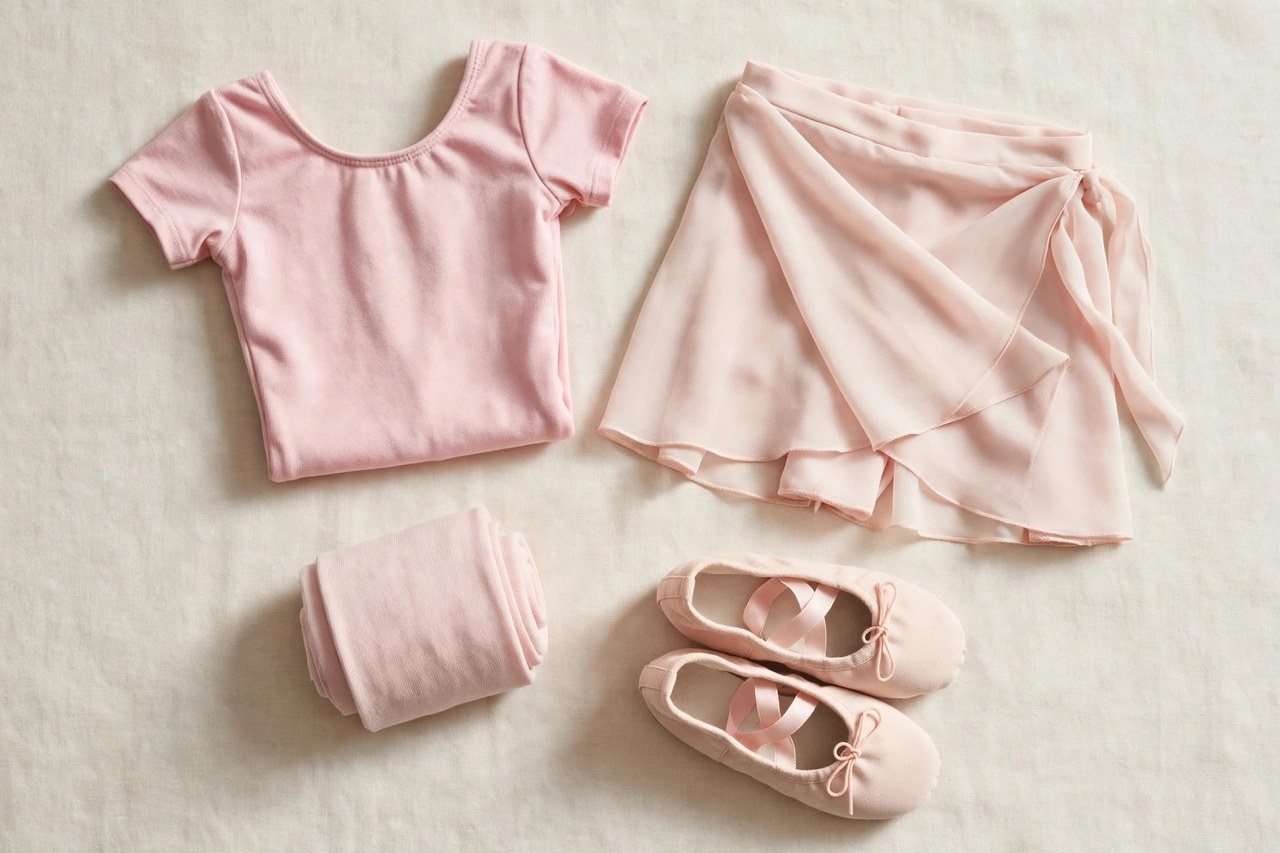
Children's dancewear is the clothing made for dance class, rehearsal and performance: leotards, unitards, wrap skirts, shorts, leggings, tights and the shoes each dance form requires. The original guide began from the art form itself, and the definition is worth keeping: dance is a performance art form consisting of purposefully selected sequences of human movement, movement that has aesthetic and symbolic value and is acknowledged as dance by performers and observers within a particular culture. Dance can be categorized by its choreography, by its repertoire of movements, or by its historical period or place of origin - and each category brings its own clothing, which is why dancewear is not one garment but a small wardrobe system. This guide explains what to look for, how class sizing actually works, which fabrics and constructions earn their price, and how to care for the kit so it lasts the term.
The art form utilizes various types of clothing, as the original guide noted, from ballet shoes to pom-poms - and that range is the buyer's first lesson. A ballet class, a tap class, a jazz or contemporary class and a cheer or performance squad each specify different garments and different shoes, and buying the wrong branch wastes the whole purchase. Start every dancewear decision with the studio's own dress code, which usually names the leotard style and color, the tight shade, and the shoe type and color the class wears.
Styles and Construction
The leotard is the foundation garment: a one-piece, stretch bodice-and-brief garment, sold sleeveless, short-sleeved and long-sleeved, with scoop, V, mock-neck and camisole fronts and a range of backs. Construction details decide comfort in class: wide straps or sleeves that stay on the shoulder through port de bras, a leg line cut high enough for full movement but secure enough to stay in place, a lined front on light colors, and flat seams that do not rub under a waistband or a skirt. Unitards and biketards extend the same idea to full or mid-thigh legs for acro and contemporary work.
Around the leotard sit the layers: convertible and footed tights (dance tights are heavier, more opaque and more ladder-resistant than fashion tights, and convertible styles carry a hole in the sole so a dancer can switch between barefoot work and shoes), wrap skirts and pull-on skirts for ballet, fitted shorts and leggings for jazz and contemporary, and warm-up knitwear - leg warmers, shrug tops and wrap cardigans - worn at the barre and removed as class warms up. Shoes are the most technical purchase: soft ballet slippers in leather or canvas with full or split soles, tap shoes with plates fitted, jazz shoes with a low heel and flexible sole. Each shoe belongs to its form, and none substitutes for another.
Fit and Sizing
Dancewear fits closer than everyday clothing by design - a teacher needs to see alignment - but close is not the same as tight. A leotard should stay in place through a full stretch in every direction without digging at the shoulder or the leg line, and the girth measurement - around the torso from shoulder, under the body and back to the same shoulder - is the sizing number that matters most, because torso length, not width, is what makes one size strain and the next sag. Children's dance sizes run in their own charts, often small/medium/large bands within age ranges, and they convert poorly from clothing sizes: measure and read the maker's chart every time.
Shoes are fitted by form. Ballet slippers fit snugly with toes flat, never curled, and a little growing room in a child's slipper is bought as a thumb's width at most, because a loose slipper teaches a foot to grip. Tap and jazz shoes fit like well-made street shoes, in the socks or tights they will be worn with. Tights are sized by height and weight together; a tight that bags at the ankle is a size - or a brand - wrong, and it will ladder at exactly the wrong moment, so a spare pair belongs in the dance bag from the first term.
Wearing and Care
Dance kit lives hard: it is stretched, sweated in and washed weekly, so care is part of the specification. Wash leotards, tights and knitwear inside out, cool and gentle, and air-dry everything - dryer heat is what kills the elastane that gives dancewear its fit, and a leotard that has lost its stretch has lost its job. Fasten nothing that can snag a tight, keep dance shoes in a separate bag compartment so taps and grit do not mark the garments, and air the whole bag between classes rather than leaving kit sealed in it.
Label every piece with the child's name - studios accumulate identical black leotards and pink tights at industrial scale - and keep a simple class kit list: garment, tights, shoes, hair kit, spare pair. Bought to the dress code, fitted by girth and chart, and washed cool and air-dried, a term of dancewear is a modest, durable kit; bought by guess and tumble-dried, the same kit is replaced twice. The difference is entirely in the buying and the laundry, not in the dancing.
For older students: the pointe chapter. Dancewear carries a dancer to the studio door for years before footwear takes over the story. When a teacher judges a student ready for pointe, the shoes are fitted in person by a specialist — a process our pointe shoe fitting guide explains, from the appointment to sewing the ribbons and airing the shoes between classes.
Common Questions
What does a child need for a first dance class?
Start with exactly what the studio's dress code names - usually a leotard in the class style and color, dance tights, and the shoe for that dance form - plus a hair kit and a spare pair of tights. Do not buy warm-ups, skirts or a second shoe type until the teacher asks for them: each dance form specifies its own kit, and extras bought ahead are the purchases most often wasted.
How should a children's leotard fit?
Close, smooth and completely secure through a full stretch, without digging at the shoulders or leg line. Size it by the girth (torso loop) measurement against the maker's chart rather than by clothing size or age, because torso length decides whether a leotard strains or sags. Light colors should be lined at the front, and straps or sleeves should stay on the shoulder through arm movements.
How do you make children's dancewear last?
Wash it inside out, cool and gentle, and always air-dry it - dryer heat destroys the elastane that gives leotards and tights their fit. Keep shoes bagged separately from garments, label every piece with the child's name, and keep a spare pair of tights in the dance bag, since tights are the one item that fails without warning.
More in Children's Clothes Guide D
The D letter hub and the guides closest to this one:
Looking for Children's Clothing Stores?
This guide helps you choose children's dancewear. To browse where to buy, visit our children's clothing store directory, where you can find retailers that carry them.