Children's Disney Pajamas Guide
Children's Disney pajamas are licensed sleepwear: pajama sets, nightgowns and one-piece sleepers printed or appliqued with Disney characters and scenes, sold wherever children's pajamas are sold. This guide is a sleepwear product guide, and it stays strictly on the product - the fabrics pajamas are made from, the safety rules that govern how they must fit, how the character artwork is applied, and how to size and care for them - because a pajama is judged in the dark, at washing time, and against the safety standard, long after the character on the chest has done its persuading. This guide explains what to look for, how the sizing actually works, which fabrics and constructions earn their price, and how to care for the garment so it keeps doing its job all season.
Shop Children's Disney Pajamas Now
Shop Children's Disney Pajamas on Amazon Shop Children's Disney Pajamas on eBayThe Amazon and eBay links on this page are affiliate links. If you make a purchase through them, Apparel Search may earn a commission.
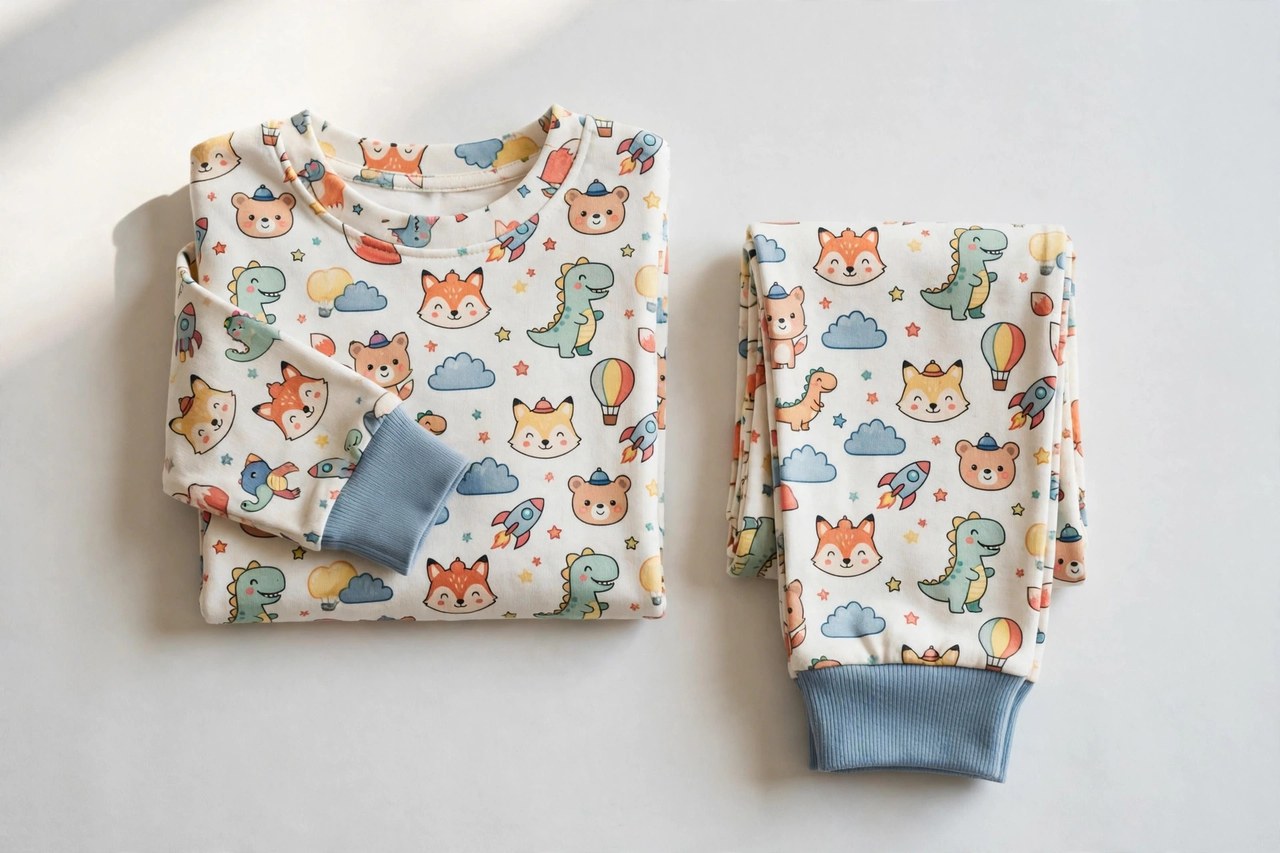
Children's Disney pajamas are licensed sleepwear: pajama sets, nightgowns and one-piece sleepers printed or appliqued with Disney characters and scenes, sold wherever children's pajamas are sold. This guide is a sleepwear product guide, and it stays strictly on the product - the fabrics pajamas are made from, the safety rules that govern how they must fit, how the character artwork is applied, and how to size and care for them - because a pajama is judged in the dark, at washing time, and against the safety standard, long after the character on the chest has done its persuading. This guide explains what to look for, how the sizing actually works, which fabrics and constructions earn their price, and how to care for the garment so it keeps doing its job all season.
The buying order matters with licensed sleepwear: specification first, character second. A pair of pajamas that meets the fit and fabric rules below will be worn happily whichever characters it carries, while a favorite-character set that fits loosely where it should fit snugly, or pills and fades in three washes, disappoints on every level at once. Decide the size, fabric and style the child needs, then choose the character print within that specification.
Styles, Fabrics and Safety Fit
Styles divide into two-piece sets (a top with matching pants or shorts), nightgowns, and one-piece footed or unfooted sleepers for the youngest children. The governing fact of the whole category is safety: children's sleepwear is regulated for flammability, and pajamas comply in one of two ways - they are either made to fit snugly, so there is little loose fabric and little air around the garment, or they are made from flame-resistant fabric. Snug-fitting styles carry a yellow hangtag saying they are not flame resistant and should fit snugly; that tag is the specification, not a warning to size up. Never buy snug-fit pajamas a size large for growing room - a loose snug-fit set defeats the design the safety rule depends on.
Fabrics follow the same logic. Cotton and cotton-rich jersey knits dominate snug-fit sets: soft, breathable, and close-fitting by construction, with ribbed cuffs at wrist and ankle that keep sleeves and legs in place through the night. Polyester fleece and flannel styles sit at the flame-resistant end of the category and suit colder rooms. The character artwork is applied as screen prints, all-over prints or applique: prints should lie smooth and flexible against the fabric, with no stiff plastic feel across the chest, and seams everywhere should be flat and soft, because this garment is worn against skin for eight or more hours at a stretch.
Fit and Sizing
Size pajamas by the child's current height and chest against the maker's chart, and take the snug fit literally: the top should follow the torso without hanging away from it, sleeves should end at the wrist, and pants should end at the ankle without pooling. Elastic waistbands should be wide and gentle, staying up through a night of turning without marking the skin, and cuffs do most of the work of keeping a correct fit correct as the child moves. For nightgowns, length should clear the feet comfortably for walking, and the same snug-through-the-body principle applies to the bodice.
Between sizes in snug-fit sleepwear, the honest answer is the size that fits snugly now; sleepwear is the one category where buying ahead is a safety compromise rather than a saving, and a set bought for next year belongs in storage until it fits as designed. Footed sleepers for babies and toddlers add their own checks: snaps or a zipper that opens far enough for a fast change, a zipper guard at the chin, and grippers on the feet that still grip. Two sets per child is the working minimum - one on, one in the wash - because pajamas are worn and washed more often than any other garment a child owns.
Wearing and Care
Care protects both the print and the fit. Wash pajamas inside out in cool or warm water before the first wear, and keep following the label exactly: where a maker warns against fabric softener or dryer sheets on flame-resistant or snug-fit styles, follow it, because finishes and fit are part of the garment's safety specification and coatings can interfere with both. Tumble dry low or line dry; high heat shrinks cotton jersey, and a shrunk snug-fit set is merely uncomfortable while a stretched-out one no longer fits as designed.
Store the set together - top and bottom folded as one - so matching character sets survive the laundry system intact, and retire a set when the fit goes: cuffs that no longer hold, a top that hangs loose, or fabric thinned by a hundred washes are all end-of-service signs in a garment whose fit is its safety feature. Bought to the tag, fitted snugly in the current size, and washed as the label directs, character pajamas are ordinary good sleepwear with extraordinary bedtime appeal - which is exactly the combination the category exists to deliver.
Common Questions
Why do children's pajamas have a yellow hangtag?
The yellow hangtag marks snug-fitting sleepwear that is not flame resistant: it complies with children's sleepwear safety rules by fitting close to the body, leaving little loose fabric. The tag means the pajamas must be worn snug - buy the child's current size, never a size up for growing room, because a loose fit defeats the design the safety rule depends on.
Which fabric is best for children's character pajamas?
Cotton and cotton-rich jersey for snug-fit sets - soft, breathable and close-fitting, with ribbed cuffs that hold sleeves and legs in place - and polyester fleece or flannel where a flame-resistant fabric is the compliance route and the room is cold. Whichever fabric, prints should feel smooth and flexible, seams flat and soft, because the garment is worn against skin all night.
How many pairs of pajamas does a child need?
Two sets is the working minimum - one being worn, one in the wash - because pajamas are washed more often than any other garment. Buy both in the current size and retire a set when cuffs stop holding or the fit goes loose: in sleepwear, correct fit is a safety feature, not a style preference.
More in Children's Clothes Guide D
The D letter hub and the guides closest to this one:
Looking for Children's Clothing Stores?
This guide helps you choose children's disney pajamas. To browse where to buy, visit our children's clothing store directory, where you can find retailers that carry them.