Men's Bell Bottom Pants Guide
Men's bell bottom pants are trousers fitted through the seat and thigh that flare from the knee to a wide hem - a silhouette with a double history: naval working dress first, then the defining trouser of late-1960s and 1970s style. The modern bell bottom returns in revivals that borrow the drama of the flare while using contemporary fabrics and rises, and buying a pair well means understanding the proportions, because a flare multiplies every fit decision below the knee.
Shop Men's Bell Bottom Pants Now
Shop Men's Bell Bottom Pants on Amazon Shop Men's Bell Bottom Pants on eBayThe Amazon and eBay links on this page are affiliate links. If you make a purchase through them, Apparel Search may earn a commission.
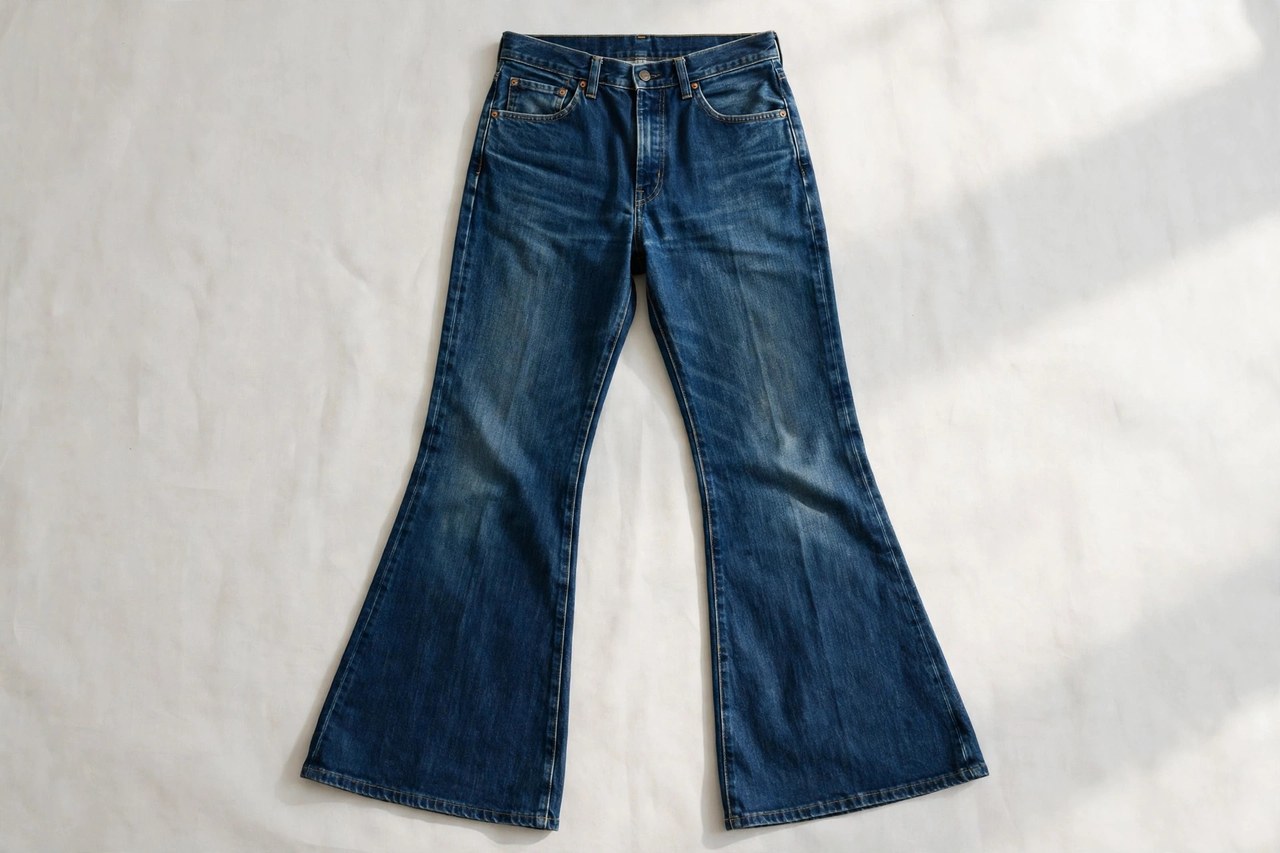
Men's bell bottom pants are trousers fitted through the seat and thigh that flare from the knee to a wide hem - a silhouette with a double history: naval working dress first, then the defining trouser of late-1960s and 1970s style. The modern bell bottom returns in revivals that borrow the drama of the flare while using contemporary fabrics and rises, and buying a pair well means understanding the proportions, because a flare multiplies every fit decision below the knee. This guide is built around the questions buyers actually ask: which style, which size, which fabric, and what will it look like after a year of real use - answered in order, with the trade-offs stated plainly.
Styles and Construction
Flare degree is the first specification: a modest boot flare just covers a boot, a true bell opens dramatically and demands a shoe with presence, and the extreme elephant bells of the seventies are costume territory for most men. Fabrics run from denim - the classic - through corduroy and twill to the polyester knits of period originals. Rise matters doubly here: the historical low rise sits very differently from a modern mid rise, and the flare's balance point shifts with it.
On any leg garment, the rise decides comfort before the cloth does: the distance from front waist through to back waist must match your body, or the waistband will dig sitting and gap standing. Check that pockets are deep enough to be useful, that belt loops are bar-tacked at both ends, and that the hem is finished evenly all round. Seams at the inner leg take the most abrasion, so double stitching there is worth paying for, and a gusset or articulated knee repays its small premium the first long day you spend in the garment.
Fit and Sizing
Fit the seat and thigh exactly as you would a slim trouser - the flare forgives nothing above the knee - then judge the hem against the shoes you will wear: a bell should break just over the shoe, long enough to keep its sweep, short enough not to drag and fray in a week. Height is the honest constraint: flares visually shorten a leg, so a longer inseam worn with a heeled boot is the classic compensation, and cropped flares are an advanced move, not a default.
Measure before you shop: waist at the point the waistband will actually sit, inseam from crotch to the hem point you prefer, and - for closer fits - thigh and seat as well, taken over the underwear you wear. Sit, squat and climb an imaginary stair in the fitting room; a leg garment that only works standing still does not work. Remember that waistbands relax about half an inch with wear and that inseams shrink most in the first washes, so buy the fit you want after those changes, not before them.
Wearing and Care
Hem care is the story with bells: the wide hem drags, catches and frays first, so keep the length right and mend fray early. Wash denim and corduroy pairs inside out in cool water, and store them hung by the waistband so the flare keeps its line rather than folding flat in a drawer. Period polyester originals wash gently and melt under a hot iron - check the fiber before the first wash, not after.
Wash leg garments inside out in cool water to protect color and surface, and dry them low or on the line: heat is what shortens elastic, fades dye and shrinks inseams. Hang or fold promptly - the crease you iron in is a choice, but the wrinkle you sleep in becomes one too. Check hems and pocket corners each season and mend the small fray early; bottoms fail at stress points gradually and then suddenly, and a two-minute repair in October saves a replacement in November.
Common Questions
Why did sailors wear bell bottoms?
The naval origin is practical: wide legs could be rolled up easily for deck work, pulled off over boots in the water, and - in the era of heavy wool - even used as a flotation aid by trapping air. The style traveled from working dress into youth fashion in the 1960s, where the flare became pure silhouette and stayed famous for it.
What shoes work with bell bottoms?
Shoes with height and presence: boots first of all - Chelsea and heeled boots are the classic pairing - then chunky loafers and platform-leaning sneakers. A slim low shoe disappears under a flare and makes the hem drag. Set the hem length while wearing the intended shoe; the break should just clear the ground.
Are bell bottoms and flares the same thing?
A bell bottom is the full expression of the flare family: fitted to the knee, then opening to a distinctly wide hem. A boot flare is the restrained cousin, widening only enough to clear a boot. All bell bottoms are flares, but most modern 'flared' trousers are far subtler than a true bell.
More in Men's Clothes Guide B
Bell Bottoms by the Numbers
Bell bottoms are pants or trousers ending in bell-shaped cuffs; in the mid-1960s they became fashionable for men and women in Europe and North America, often made of denim, flaring from the bottom of the calf with slightly curved hems and a circumference of 18 inches (46 cm) at the bottom of each leg opening. By 1967 they had moved from high fashion into the hippie counter-culture, and in the 1970s they moved back into mainstream fashion. The word itself: pants comes from pantaloons.
Looking for Men's Clothing Stores?
This guide explains men's bell bottom pants. To browse where to buy, visit our men's clothing store directory, where you can find retailers that carry them.