Men's Designer Jeans Guide
Men's designer jeans are jeans produced by fashion houses and premium denim labels - the five-pocket pattern re-engineered with fashion-grade cloth, fashion-forward fits and finishes, and a designer's name as part of the specification. The category was born when 1970s fashion houses put their names on the workingman's trouser and discovered the back pocket could carry a signature. This page asks the category's honest question: what does the premium buy in a jean - and keeps the denim knowledge from this guide's denim pants page as its foundation.
Shop Men's Designer Jeans Now
Shop Men's Designer Jeans on Amazon Shop Men's Designer Jeans on eBayThe Amazon and eBay links on this page are affiliate links. If you make a purchase through them, Apparel Search may earn a commission.
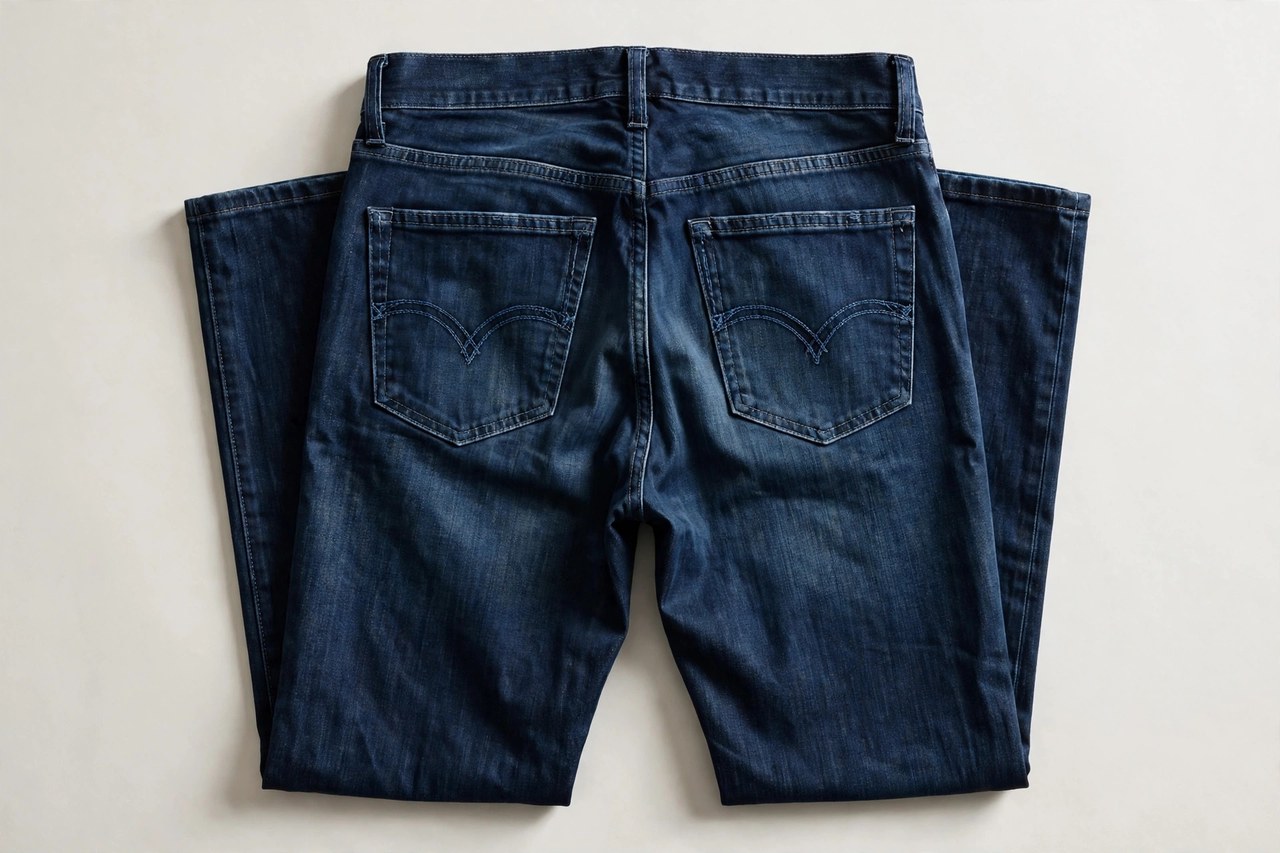
Men's designer jeans are jeans produced by fashion houses and premium denim labels - the five-pocket pattern re-engineered with fashion-grade cloth, fashion-forward fits and finishes, and a designer's name as part of the specification. The category was born when 1970s fashion houses put their names on the workingman's trouser and discovered the back pocket could carry a signature. This page asks the category's honest question: what does the premium buy in a jean - and keeps the denim knowledge from this guide's denim pants page as its foundation. This guide is built around the questions buyers actually ask: which style, which size, which fabric, and what will it look like after a year of real use - answered in order, with the trade-offs stated plainly.
Styles and Construction
The genuine premium buys cloth and cut. Premium labels buy smaller denim lots - Japanese selvedge, Italian stretch denims, distinctive slub and character cloth - and cut fits the commodity market follows a season later: the taper, the cropped kick, the stacked skinny all began here. Finishing is the third purchase: hand-sanding, whiskering and wash recipes applied per-pair rather than per-batch, which is why two 'identical' designer jeans differ slightly. The fourth purchase is the signature itself - pocket arcs, hardware, the name - which is fashion value, real to the wearer, but should be priced in the mind separately from the cloth.
For any leg garment the rise is the first specification, because it decides sitting comfort before fabric gets a vote: measure from front waistband through to back and compare it with a pair that already works. Then audit the stress points - bar-tacked belt loops and pocket corners, double-stitched inseams, hems finished evenly - and the pocketing, which should be deep, smooth and strong enough to carry what the garment's pockets invite you to carry.
Fit and Sizing
Fit designer jeans by their own logic: fashion blocks run leaner, rises lower in the fashion-forward lines, and vanity sizing is rampant - your designer size is a rumor until measured. Premium stretch denims relax a full size in the first week; rigid premium cloth relaxes half. Buy the fashion fit you will still wear when the trend turns - the slim-straight in dark rinse is the designer jean with a decade in it - and hem with the original hem preserved (any good tailor can reattach it; the chain-stitched roping fade at the cuff is part of what you paid for).
Measure where the waistband will actually sit, plus inseam to your preferred break, and thigh and seat for closer cuts. Then sit, squat and climb a step in the fitting room - a leg garment that only works standing still does not work. Waistbands relax roughly half an inch in wear and inseams shrink most in early washes, so buy the fit you want after those changes rather than the fit in the mirror.
Wearing and Care
Premium jeans deserve the raw-denim discipline whether or not they are raw: wash rarely, cold, inside out, line dry - the finishes you paid for (the whiskers, the fade placement) are surface art that laundering spends. Rotate pairs, repair the crotch early, and store folded rather than hung by the waistband. A designer jean's cost per wear beats a cheap jean only if it is worn for years; the care above is what turns the purchase from a logo rental into an asset.
Wash leg garments inside out and cool; heat is the agent that fades dye, tires elastic and shortens inseams. Dry low or on the line, hang or fold promptly, and crease deliberately or not at all. Walk the stress points each season - hem edges, pocket corners, seat and inner thigh - and mend the small fray while it is still small: leg garments fail gradually, then suddenly, and the two-minute October repair prevents the November replacement.
Common Questions
Are designer jeans better quality than regular jeans?
Often in cloth and finishing, not automatically in durability. Premium labels buy more characterful denim and apply more hand-finishing, and their fits are designed rather than averaged. But fashion construction sometimes trades longevity for look - lighter cloth for drape, decorative stitching over work stitching. Judge a specific pair: denim weight and composition, seam construction, hardware. The best designer jeans outclass commodity jeans on every count; the median ones outclass them mainly on the back pocket.
Why do designer jeans cost so much more?
Smaller cloth lots at higher per-meter prices, per-pair hand finishing (sanding, whiskering, washing recipes), lower production volumes, and the house's design and marketing costs spread across those volumes. The first three are in the garment; the fourth is in the name. Neither is illegitimate - but a buyer should know the split. A dark, simply finished designer jean concentrates the spend in cloth and cut, which is where it shows after a year of wear.
How should designer jeans fit when new?
Snug everywhere except where they bind: the waistband should need a firm button, the seat should be close, and the leg should follow yours without compressing it. Premium denims - rigid or stretch - relax with wear (stretch by up to a size, rigid by about half), so the shop fit is the tightest the jeans will ever be. If they are comfortable in the fitting room in every dimension, they will be loose by the month's end. Length is the exception: hem after the first wash, with shoes on.
More in Men's Clothes Guide D
Looking for Men's Clothing Stores?
This guide explains men's designer jeans. To browse where to buy, visit our men's clothing store directory, where you can find retailers that carry them.