Men's Merino Shirts Guide
A merino shirt is a shirt - tee, polo or button-front - made from fine merino wool jersey or knit instead of cotton: the base-layer fiber of the outdoor world moved up into the everyday wardrobe. Two references frame the whole topic: the wicking definition and the styles of shirts. Merino draws moisture away from the skin - wicking - so the wearer avoids the feeling of wetness, regulates temperature in both directions, and resists the odor that ends a cotton tee's day. This guide covers when a merino shirt beats its cotton equivalent, and when it does not.
Shop Men's Merino Shirts Now
Shop Men's Merino Shirts on Amazon Shop Men's Merino Shirts on eBayThe Amazon and eBay links on this page are affiliate links. If you make a purchase through them, Apparel Search may earn a commission.
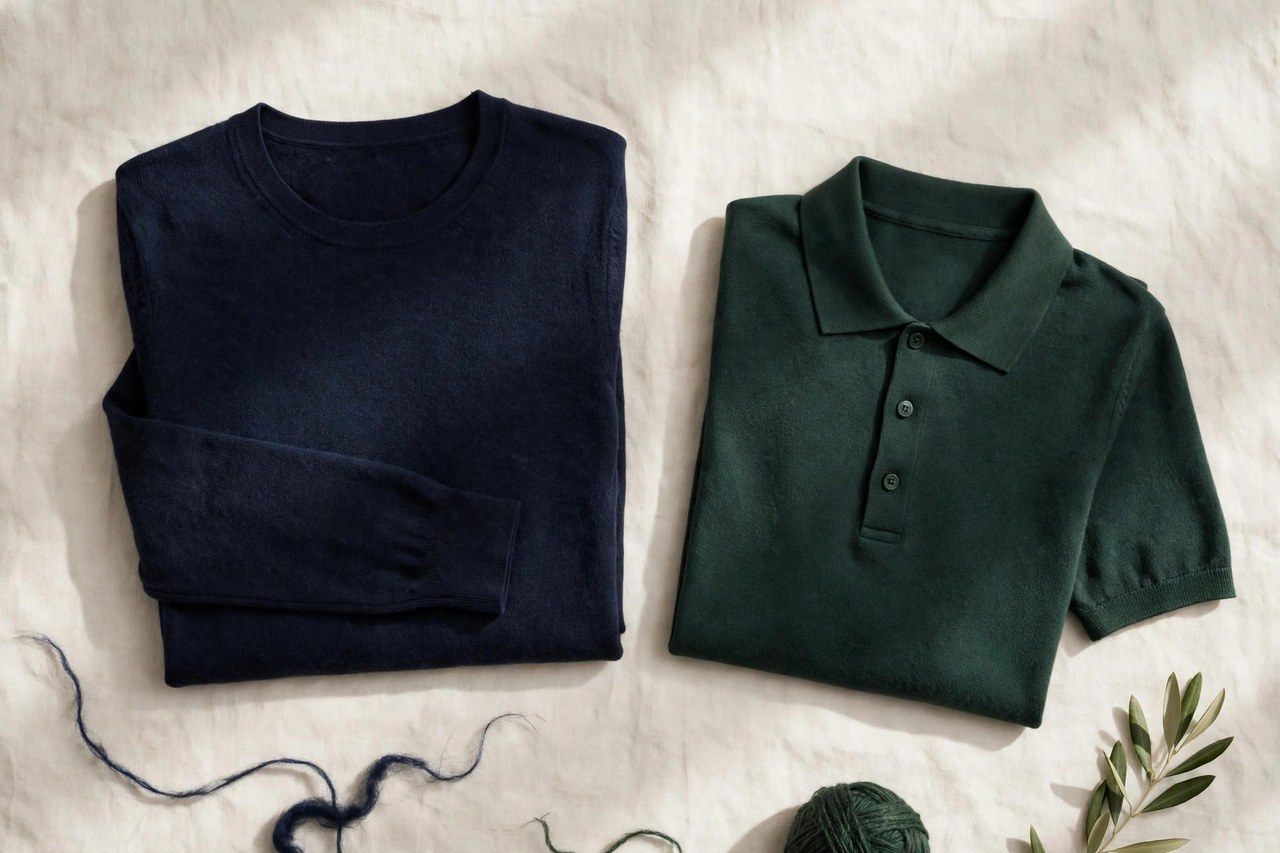
A merino shirt is a shirt - tee, polo or button-front - made from fine merino wool jersey or knit instead of cotton: the base-layer fiber of the outdoor world moved up into the everyday wardrobe. Two references frame the whole topic: the wicking definition and the styles of shirts. Merino draws moisture away from the skin - wicking - so the wearer avoids the feeling of wetness, regulates temperature in both directions, and resists the odor that ends a cotton tee's day. This guide covers when a merino shirt beats its cotton equivalent, and when it does not. This guide covers the styles worth knowing, the fit points that decide comfort, the fabrics and construction that separate a good buy from a regret, and the simple care that makes the garment last.
Weights, Grades and Blends
Sort by weight and build. Lightweight jerseys - around 150 grams per square meter - are the tees and base shirts: a full day's comfort in warm rooms, on travel days, under everything. Midweights around 200-260 make the polos and long-sleeve shirts that stand alone as the visible layer. The fiber grades descend with price: superfine and ultra fine yarns feel like fine cotton and cost like knitwear; stronger, broader merino is hardier and a little less silken. Blends answer specific briefs - merino-nylon for abrasion life in travel shirts, merino with a touch of elastane for fit. Pure cotton still wins on price and on crispness in a formal button-front; merino's empire is the tee, the polo, the henley and the layering shirt, where skin contact is total and the day is long.
A top earns its keep in finishing: seams that hang straight and stay even at eight to twelve stitches per inch, collars and plackets that lie flat after washing, buttons sewn with thread shanks so they sit in their holes without pulling. Hold the cloth to the light - a tight, even weave or knit outwears a loose one at the same labeled weight, and pattern pieces cut on grain keep the garment from twisting around your body by the third wash.
A Knit's Drape, a Second Day's Test
Fit a merino shirt like the knit it is: it drapes rather than stands, so the cut should skim the body with the shoulder seam exact, the body long enough to tuck or to cover the waistband untucked, and sleeves that end where the style intends without riding. Merino jersey relaxes slightly in wear and recovers in the wash; a fit that starts as a second skin ends the day as a comfortable one, while a baggy start ends sloppy. For travel - the shirt's showcase use - the test is the second wearing: a merino shirt that can be aired overnight and worn again fresh is earning its price; fit it so that second day still looks deliberate, collar and hem lying as they did on the first.
Fit tops shoulders and chest first, because tailors cannot cheaply move either: the shoulder seam ends at the shoulder bone, the chest closes without pulling, and both arms raise without the hem escaping the waistband. Tucked lengths must stay tucked sitting; untucked lengths should end mid-fly. Sleeves are the cheap alteration, shoulders the permanent one - reject a wrong shoulder for any reason, forgive a long sleeve for many.
Fewer, Gentler Washes
Wash merino shirts with the wool setting's respect, not the cotton load's abandon: cool water, gentle cycle or hand wash, mild detergent, and flat or line drying away from the dryer's heat, which is the fiber's one real enemy in a modern laundry. In return, the shirts ask for fewer washes - odor resistance means airing restores them, and a travel rotation of two merino shirts does the work of five cotton ones, which is the arithmetic their price is built on. Fold them, do not hang the fine ones, and keep the drawer moth-aware. A merino shirt treated this way is not a delicate purchase; it is a working one that out-works cotton.
Launder tops by the label with three defaults: cool or warm water to protect color and trims, dark and printed pieces inside out, and low or line drying, which is the largest single lever on a shirt's lifespan. Fasten buttons and zips before washing to protect the whole load, treat stains before the dryer can set them, and store knits folded so their shoulders keep the shape they were knitted with.
Common Questions
Why wear a merino wool shirt instead of cotton?
For the fiber's three working properties: it wicks moisture away from the skin so you avoid the clammy feeling cotton gives when damp, it regulates temperature in both warm and cool conditions, and it resists odor across wears - a merino shirt can be aired and worn again, where a cotton tee is finished after one hard day. The wicking definition, linked from this page, names the mechanism under all three advantages.
Are merino shirts good for travel?
They are the travel shirt category's benchmark. Two or three merino shirts, aired overnight between wears, cover a trip that would take five cotton ones - less luggage, less laundry, and the fabric arrives unwrinkled and leaves a long day unworn-looking. Choose midweight, darker colors and merino-nylon blends for abrasion resistance, and wash cool and gentle in the hotel sink when you must: they dry overnight on a hanger.
How do you wash a merino shirt?
Cool and gentle: machine on a wool or delicate cycle in a mesh bag, or by hand, with a mild detergent, then dry flat or on a line away from dryer heat and direct sun. Heat and agitation are what felt and shrink wool; cool gentleness does not. The shirts need washing less often than cotton - air them between wears - so the gentle routine is also an infrequent one.
More in Men's Clothes Guide M
Wicking and the Styles of Shirts
Two reference pages frame the whole topic: the wicking definition — the moisture movement that makes a wool shirt wear dry — and our guide to the styles of shirts, where the merino shirt takes its place among the shirt family’s forms. The merino sweaters beside it are linked below as well.
Looking for Men's Clothing Stores?
This guide explains men's merino shirts. To browse where to buy, visit our men's clothing store directory, where you can find retailers that carry them.