Women's Bowling Shirts Guide
Retro camp collars, two-tone panels and league embroidery — the story and the shopping guide for bowling's most iconic shirt.
Shop Women's Bowling Shirts Now
Shop Women's Bowling Shirts on Amazon Shop Women's Bowling Shirts on eBayThe Amazon and eBay links on this page are affiliate links. If you make a purchase through them, Apparel Search may earn a commission.
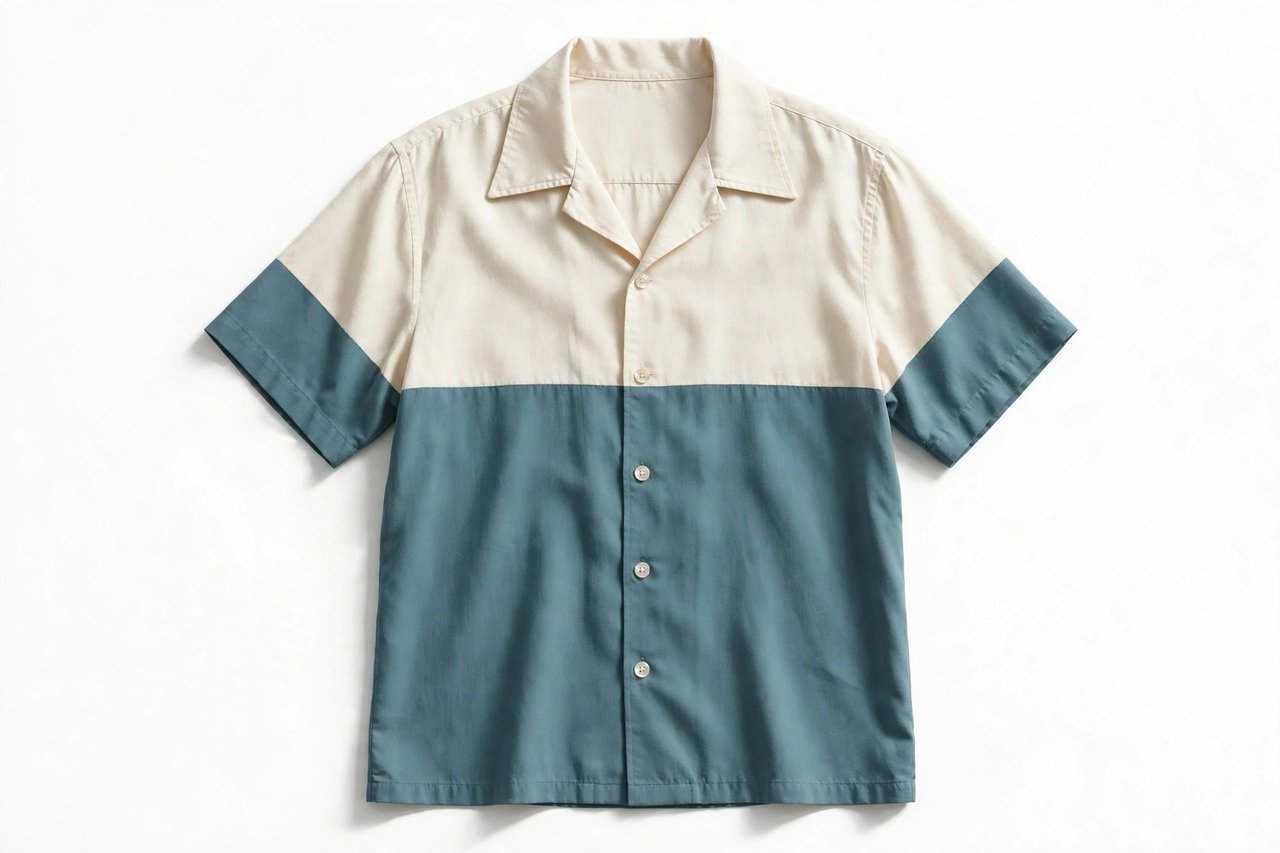
No shirt in sports carries more personality per square inch than the bowling shirt. In its 1950s heyday it was a genuine uniform — two-tone panels, a camp collar, a team name scripted across the back, and a bowler's name embroidered over the pocket — and when the league era faded, the shirt refused to retire. It became a retro fashion staple, a rockabilly icon, and a favorite canvas for custom team wear, all while remaining exactly what it was designed to be: a loose, breathable, button-front shirt you can actually bowl in. Women's versions today range from authentic league reproductions to fashion cuts that borrow the collar and panels for everyday style.
Retro Style: The Classic Details
The archetypal bowling shirt is built from contrasting panels: a main body in one color with vertical inserts, sleeves, or a yoke in a second, often with piping tracing the seams. The camp collar — a soft, open, notch collar that lies flat without a neckband — defines the silhouette and keeps the shirt relaxed. Most are short-sleeved, button-front, and cut straight through the body with a hem meant to be worn untucked, sometimes with side vents for the approach and delivery. Chest pockets, real or decorative, anchor the traditional front embroidery. Fashion revivals play with the formula in silkier fabrics, cropped lengths, and pastel or tropical palettes, but the panel-plus-camp-collar formula stays recognizable at a glance. Authenticity hunters look for details like chain-stitched lettering and cat's-eye-style buttons.
League Shirts and Team Identity
For league bowlers, the shirt is a team uniform, and matching matters more than fashion. League shirts are ordered as a set so every bowler wears the same colors, panel layout, and sponsor or team artwork, usually with the team name large across the back and individual names on the front. Practical league buyers choose mid-weight fabrics that hold embroidery cleanly, colors that hide the inevitable lane-area dust and snack-bar mishaps, and cuts roomy enough for a full delivery without the shirttail pulling. Many leagues keep the same shirt design for years, so ordering a spare or two at the start is wise — matching a discontinued panel color three seasons later is nobody's idea of fun. Even casual open-bowl groups enjoy the ritual: a matched set of shirts turns an ordinary night out into an occasion and makes the team photo considerably better.
Custom Embroidery and Printing Methods
How you decorate a bowling shirt changes its look, feel, and price. Chain-stitch embroidery, the vintage technique behind classic back lettering, lays a raised, slightly loopy script that screams 1950s authenticity but costs the most and suits simple names and words. Standard machine embroidery handles logos, names, and detailed front designs crisply and durably. Screen printing covers large back designs cheaply and boldly, though heavy ink can feel stiff on lightweight shirts. Heat transfer and modern direct-to-garment printing allow full-color, photographic artwork on single shirts, ideal for one-off event shirts, with durability that has improved sharply in recent years. Placement follows tradition: name over the left chest or pocket, team name arched across the back, sponsor marks on a sleeve. Whatever the method, approve a proof first — script fonts that look charming on screen can turn illegible at embroidery scale.
Fabrics and Women's Fits
Vintage shirts were rayon, and faithful reproductions still use rayon or viscose for its fluid drape and period-correct sheen — gorgeous, but it wrinkles easily and often needs careful washing. Polyester and polyester-cotton blends dominate league orders because they hold color, resist wrinkles, take embroidery well, and survive weekly wear. Cotton camp shirts breathe best for fashion wear. Fit has modernized, too: where league shirts once came only in unisex boxes, women's cuts now shape the waist slightly, shorten the body to a natural untucked length, and narrow the sleeve so it does not swallow the arm. For actual bowling, keep enough ease across the back and shoulders to swing freely; for fashion wear, a closer fit worn open over a tee or tank shows the panels to best effect.
Styling and Care
Off the lanes, the bowling shirt is a genuine style piece: worn buttoned with high-waisted jeans and loafers it reads vintage; open over a plain tee with shorts it is pure summer; knotted at the waist it flatters the retro shape. Let the shirt be the statement — its panels and lettering are busy by design, so keep companions simple and solid. For care, read the fabric first: polyester league shirts machine wash cold and hang dry almost indestructibly, while rayon reproductions often need gentle cycles or hand washing and a careful, low-heat iron to avoid shine. Embroidery lasts longest washed inside out. Store camp collars buttoned at the top button on a hanger to keep the collar lying in its proper open fold, and your shirt will be ready whenever league night — or a retro mood — calls.
Related Women's Guides
More to Explore
- Clothing Retail Stores
- Fashion
- Fashion Designers
- types of shirts
- Women's Apparel Directory J
- Women's Apparel Directory N
- Women's Apparel Directory Q
- Women's Clothes Directory A
- Women's Clothes Directory C
- Women's Clothes Directory D
- Women's Clothes Directory O
- Women's Clothes Directory T
- Women's Clothes Directory V
- Women's Clothes Directory W
- Women's Clothes Directory Y
- Women's Clothes Directory Z
- Women's Clothing Directory E
- Women's Clothing Directory F
- Women's Clothing Directory G
- Women's Clothing Directory H
- Women's Clothing Directory P
- Women's Clothing Directory S
- Women's Clothing Directory X
- Women's Clothing Stores
- Women's Clothing Wholesalers
- Women's Fashion
- Women's Fashion Directory I
- Women's Fashion Directory K
- Women's Fashion Directory L
- Women's Fashion Directory M
- Women's Fashion Directory R
- Women's Fashion Directory U
- Women's Shirts
Photos

Looking for Women's Clothing Stores?
This guide helps you choose women's bowling shirts by style and fabric. To browse where to buy, visit our women's clothing store directory, where you can find retailers that carry them.