Women's Cotton Socks Guide
Combed or ringspun, cushioned or fine-gauge — inside the yarns and knits that decide whether a cotton sock lasts a season or a year.
Shop Women's Cotton Socks Now
Shop Women's Cotton Socks on Amazon Shop Women's Cotton Socks on eBayThe Amazon and eBay links on this page are affiliate links. If you make a purchase through them, Apparel Search may earn a commission.

A sock is the most engineered small garment in the wardrobe: a shaped tube of knit that must cushion, stretch, recover, absorb, and survive friction inside a shoe, wash after wash. In women's cotton socks, nearly all of that performance is decided before any color or pattern is applied — by the cotton yarn chosen, the knit structure used, and the fibers blended in to do the jobs cotton does poorly alone. This guide works through those choices in order. It explains the practical difference between combed and ringspun cotton, what cushion knits actually add, why almost every good cotton sock contains nylon and elastane despite its cotton name, and where cotton's well-known moisture behavior helps and where it honestly does not.
Combed Cotton Versus Ringspun Cotton
Both terms describe how cotton fiber is prepared before knitting, and the difference is feel and durability. Combed cotton has been brushed through fine combs that remove short fibers and impurities, leaving only longer, aligned staples to spin into yarn. The result is a smoother, stronger, less fuzzy yarn that knits into socks with a cleaner surface, less pilling, and a softer hand. Ringspun cotton is spun by continuously twisting and thinning the fiber strand, which produces a soft, strong yarn with a slightly more textured feel; much good everyday sock cotton is ringspun. Ordinary carded cotton, neither combed nor ringspun to the same standard, uses more short fiber, feels coarser, and pills and thins sooner, especially at the heel. When a label specifies combed cotton at a high percentage of the blend, it is making a real claim about yarn quality, and the sock's surface — smooth, even, unfuzzy when new — should confirm it in the hand.
Cushion Knits and Sock Construction
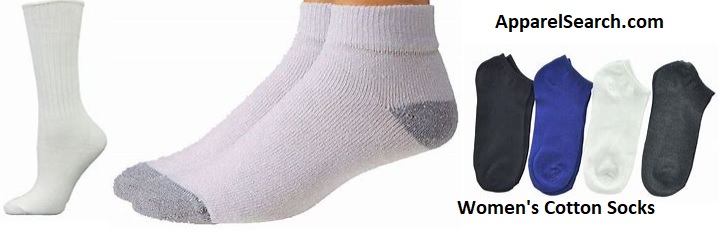
Cushion in a cotton sock comes from terry loops knitted into the inside of the sole, heel, and sometimes the toe and shin. Those loops add padding by structure rather than by material thickness, trapping air, absorbing impact, and giving moisture more fiber to spread through. Full-cushion socks suit long days on hard floors and cushioned trainers; half-cushion styles pad the sole only and fit closer shoes; flat-knit dress socks skip terry entirely for a fine, smooth finish that slides into loafers and flats. Construction beyond cushion matters just as much. A shaped heel pocket keeps the sock from rotating, a ribbed cuff or arch band holds position without tight elastic at the top, and a flat toe seam — hand-linked or smoothly finished — prevents the ridge of irritation across the toes that cheaper socks leave. Finer-gauge machines knit a denser, smoother fabric that fits closer and wears more evenly.
Blends: Why Cotton Socks Are Rarely All Cotton
A sock labeled cotton is usually a deliberate blend, and that is good engineering rather than a shortcut. Cotton supplies softness, absorbency, and a natural hand, but it has weak abrasion resistance and almost no elastic recovery on its own. Nylon, commonly fifteen to twenty-five percent, reinforces the heel and toe where socks actually wear through, and can double or triple working life. Elastane at one to three percent gives the cuff and body their stay-up stretch and shape recovery after washing. Polyester appears in athletic-leaning cotton socks to move moisture along the yarn faster than cotton alone can. Look for cotton as the clear majority fiber, nylon in a sane proportion, and a touch of elastane, rather than demanding an unrealistic one hundred percent.
The Moisture Trade-Off, Stated Honestly
Cotton absorbs moisture readily — it can take up a significant share of its own weight in water — and for everyday wear that absorbency is a comfort: socks take up light perspiration and keep feet feeling dry through an ordinary day in breathable shoes. The trade-off appears when moisture is heavy or continuous. Saturated cotton holds water against the skin, dries slowly, loses insulation when wet, and increases friction, which is why experienced hikers avoid pure cotton socks for long wet days and why cotton is a poor choice for endurance sport in the rain. None of that disqualifies cotton for its real territory: daily wear, work, school, travel, and low-intensity activity, where its softness, odor behavior, and easy washing outweigh the limits. Choose the fiber for the day you are actually having, and cotton wins most ordinary days comfortably.
Fit, Care, and Making Socks Last
Sock sizing by shoe size is approximate, so judge fit on the foot: the heel of the sock should sit on your heel, the toe seam should lie flat beyond the toes without excess fabric bunching, and the cuff should hold without leaving a deep mark after an hour. Cotton socks ease slightly with wear and firm up again after washing, so a pair that feels precise when new is correctly sized. For care, wash inside out in warm water with similar colors — this protects the outer surface from abrasion and pilling in the machine — and tumble on low or air dry, since repeated high heat degrades the elastane that keeps cuffs working and slowly shrinks the cotton body. Rotate several pairs rather than wearing one favorite daily; rotation alone noticeably extends sock life.
More to Explore on Apparel Search
Photos
Looking for Women's Clothing Stores?
This guide helps you choose women's cotton socks by yarn, cushion and blend. To browse where to buy, visit our women's clothing store directory, where you can find retailers that carry them.