Women's Cotton Sleep Shirts Guide
The sleep shirt in general — long button shirts, tee-style nightshirts, and oversized jersey styles in cotton for every season but flannel.
Shop Women's Cotton Sleep Shirts Now
Shop Women's Cotton Sleep Shirts on Amazon Shop Women's Cotton Sleep Shirts on eBayThe Amazon and eBay links on this page are affiliate links. If you make a purchase through them, Apparel Search may earn a commission.
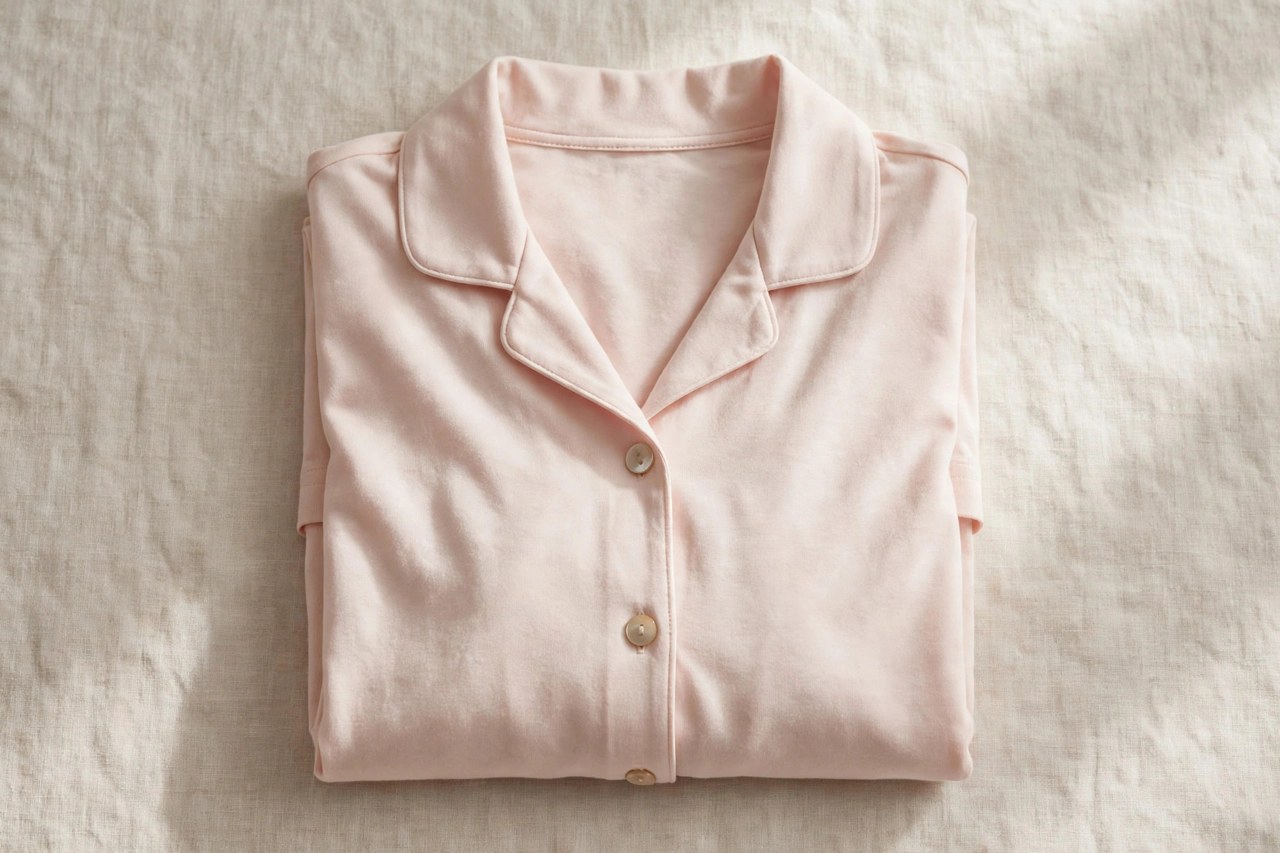
A sleep shirt — or nightshirt — is the simplest one-piece in cotton sleepwear: essentially a long shirt worn on its own for sleep, buttoned down the front or pulled on like a tee, ending anywhere from mid-thigh to mid-calf. This guide covers sleep shirts generally, across their two main cotton families, breathable woven poplin and soft knit jersey. The flannel branch of the family, warm brushed nightshirts for winter, has its own dedicated guide and is cross-referenced below; here the subject is the year-round garment. Sleep shirts suit sleepers who want one easy piece with no waistband, more freedom than a nightdress's full skirt, and a borrowed-from-the-shirt-drawer practicality. The sections below sort styles, fabrics, lengths, and fit so you can pick the version that matches your room and your habits.
The Two Classic Forms: Button-Front and Tee Style
The button-front sleep shirt borrows its pattern from a classic pajama top and extends it: notched or shirt collar, full or partial placket, a curved shirttail hem that is longer at the back, and sleeves from short to long. In woven cotton it looks tailored, opens for easy dressing and temperature adjustment, and is the traditional nightshirt form. The tee-style sleep shirt is knitted jersey, pulled on over the head, with a crew, Henley, or V neckline and a straighter hem; it feels like sleeping in a long, soft t-shirt and is the more casual, more forgiving form, since the knit stretches with movement and shrugs off wrinkles. Oversized boyfriend-style shirts cross both forms and are usually sold generously cut in either fabric. Pockets, once rare, now appear on many styles and prove unexpectedly useful.
Fabrics: Poplin, Jersey, Lawn, and Seersucker
Poplin is the woven standard for sleep shirts: a smooth, crisp plain weave that feels cool against the skin, slides freely against sheets, and washes to a soft finish over time without losing its tidy character. It suits warm sleepers and summer in its lighter weights, and midweight poplin serves heated homes most of the year. Jersey is the knit standard, softer on contact, gently warm, and the most comfortable choice for restless sleepers because it moves rather than resists. Lawn sleep shirts are the fine, light extreme for hot nights, almost weightless and quick to dry, while seersucker versions use their puckered stripes to hold cloth off the skin in humid weather. Each fabric keeps cotton's core virtues: breathability, moisture absorption for light perspiration, and cheerful tolerance of frequent machine washing.
Sleep Shirts Versus Nightdresses and PJ Sets
Shoppers often weigh the same three options, and the differences are practical. Against a nightdress, a sleep shirt is less full, less formal in feeling, and usually shorter; it tangles less, packs smaller, and its shirt styling suits anyone who finds a gown's sweep of fabric too much garment for sleep. Against a pajama set, it removes the waistband entirely and halves the laundry pieces, but gives up the option of wearing bottoms alone around the house and offers less warmth at the leg in winter, when many sleep-shirt wearers add socks or keep a robe nearby. Length mediates most of these trade-offs: a mid-calf sleep shirt in a midweight fabric comes close to a nightdress's coverage with a shirt's simplicity. There is no wrong answer, only the match between garment and sleeper, which is why many women own one of each form.
Lengths, Necklines, and Fit
Length is the first decision: mid-thigh styles are the coolest and freest, knee-length is the versatile classic, and mid-calf styles add coverage and a little warmth. A curved shirttail hem gives back coverage when bending and is worth preferring on shorter styles. Necklines follow the shirt logic of the piece: collars and plackets on woven styles, crew and Henley necks on jersey, with a button or two at the neck of a Henley being genuinely useful for venting. Fit should be easy through the body with room to raise both arms without the hem climbing excessively; in woven poplin and lawn, that ease must be in the cut, so size up if between sizes, while jersey's stretch makes your usual size reliable. Check that buttons are sewn firmly and that side seams sit flat, since you will be lying on them.
Care, and a Note on Flannel Sleep Shirts
Cotton sleep shirts are among the easiest garments to keep. Wash in cool or warm water with like colors, fasten buttons on placket styles so they do not snag other laundry, and dry on low or on the line; woven styles may shrink slightly in length in early washes, which their generous cuts absorb, and jersey styles keep their necklines best when not hung wet on thin hangers. Ironing is optional and rarely missed. If your bedroom runs cold or your season is winter, the flannel member of this family — the brushed-cotton nightshirt covered in the Flannel Sleep Shirts guide — applies every principle on this page with warmth turned up, and many sleepers own the same shirt pattern in poplin for summer and flannel for winter. Treated simply, a good cotton sleep shirt gives years of nightly wear and softens steadily in service.
More to Explore on Apparel Search
Photos

Looking for Women's Clothing Stores?
This guide helps you choose women's cotton sleep shirts by fabric, style and length. To browse where to buy, visit our women's clothing store directory, where you can find retailers that carry them.