Women's Designer Handbags Guide
Behind every iconic bag is patient leatherwork — learn the houses, the construction, and the small details that prove a bag is the real thing.
Shop Women's Designer Handbags Now
Shop Women's Designer Handbags on Amazon Shop Women's Designer Handbags on eBayThe Amazon and eBay links on this page are affiliate links. If you make a purchase through them, Apparel Search may earn a commission.
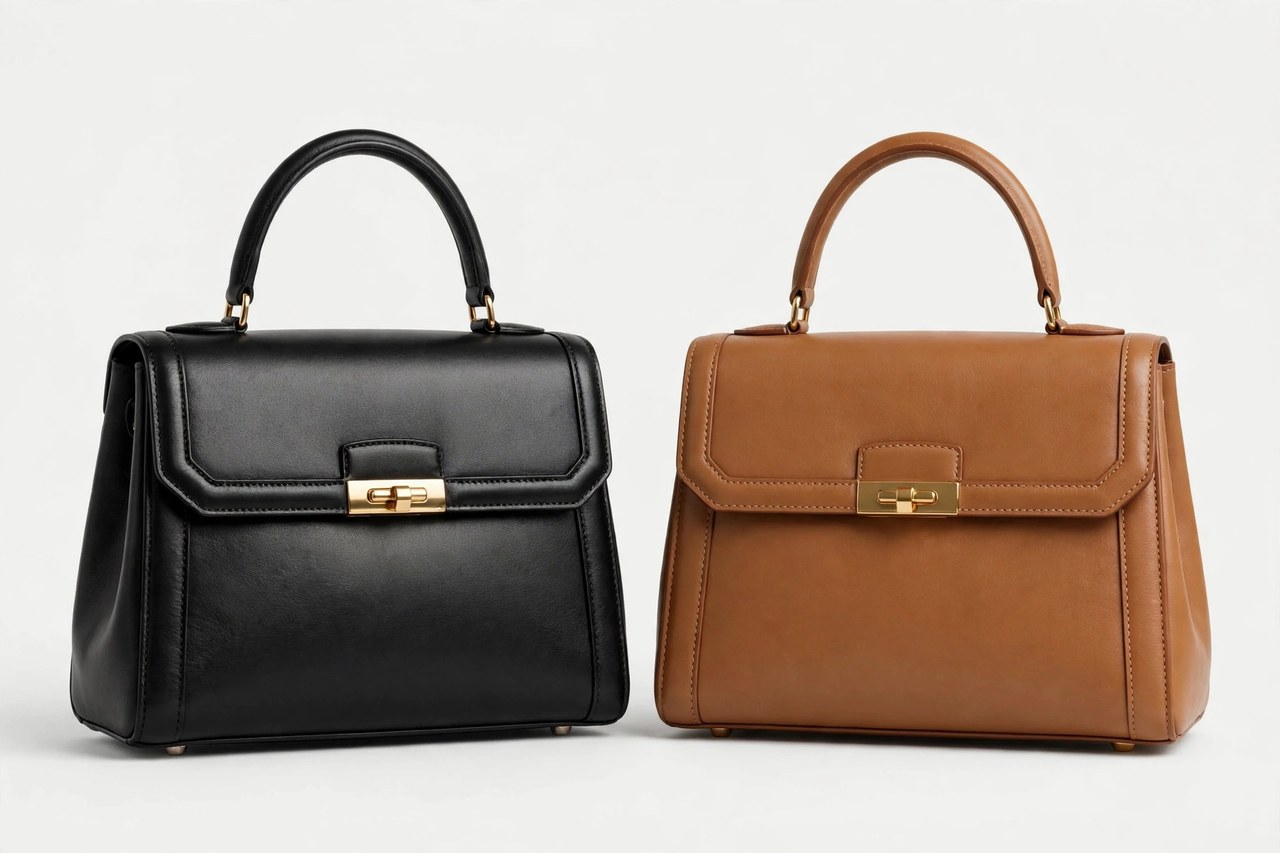
A designer handbag is the hardest-working luxury most women own. It is carried daily, opened a hundred times a week, and judged at a glance — which is exactly why the great houses build bags to standards closer to saddlery than to seasonal fashion. French, Italian, British, and American houses each have a signature language: quilted flap bags and chain straps, structured top-handle satchels, slouchy hobos in grained leather, minimalist totes, woven leather intrecciato, and monogram canvas trimmed with vachetta. Iconic styles endure for decades because the proportions were resolved long ago; seasonal versions simply change leather, color, and scale. This guide covers the leather grades and hardware that justify the price, the construction details to examine in hand, practical authenticity checks, how price tiers break down, and the care that keeps a bag beautiful through years of daily use and strong resale.
Leather Grades, Hardware, and Construction
Begin with the leather. Full-grain hides keep their natural surface and develop depth with use; grained and Saffiano leathers are embossed or cross-hatched for scratch resistance and structure; smooth box calf shows every mark but polishes to a mirror; exotics sit at the very top of the price ladder. None is automatically best — the question is whether the grade suits how you will carry the bag. Hardware should feel reassuringly heavy in the hand, close with a clean, positive action, and carry consistent finishing with no flaking or sharp casting seams. Construction tells the same story inside: traditional saddle stitching, done with two needles passing through the same hole, cannot unravel the way a loose machine lockstitch can. Edge painting should be smooth, opaque, and built up in layers rather than cracked or rubbery. Corners, handle attachments, and strap anchors take the load, so check that reinforcement stitching there is dense and perfectly regular.
Authenticity: Stitching, Codes, Weight, and Lining
Counterfeiters copy silhouettes and logos first and workmanship last, so authenticate by workmanship. Count the stitches along a seam: genuine bags from the major houses show a remarkably consistent stitch count and angle, often slightly slanted, with no drifting or doubled stitches at corners. Hardware weight is a second tell — clasps, feet, and chain links on a real bag feel dense, while fakes often use hollow, featherweight alloy under a shiny finish. Learn the house's system before you buy pre-owned: some stamp a date code or microchip the bag, others use embossed leather tabs, heat stamps, or authenticity cards whose fonts and spacing follow strict patterns. Lining is frequently neglected by fakers, so look for correctly grained leather or the house's proper textile, neatly fitted without bubbling, and zippers from the maker's usual supplier that glide silently. Any chemical odor, misaligned pattern at seams, or sloppy heat stamp is reason enough to walk away.
Price Tiers, Buying, and Resale Value
Designer handbag prices fall into broad tiers. Contemporary and premium labels offer well-made leather bags for a few hundred dollars; established luxury houses start near a thousand for small leather goods scaled up to bags; the most storied flap bags, top-handles, and exotics climb to five figures. You are paying for leather quality, hand-finishing hours, hardware, and a design archive that holds its value. That last point is real: classic styles in neutral colors from the most established houses retain an unusually high share of their retail price on the resale market, while trend-driven shapes and loud seasonal colors depreciate quickly. Buy the size you will genuinely carry — a bag that fits your phone, wallet, keys, and one daily extra without forcing the closure. When buying pre-owned, use a seller who offers independent authentication and a return window, compare weight and measurements with the house's specifications, and photograph every detail on arrival.
Care, Storage, and Everyday Handling
A designer bag asks for habits, not fuss. Keep it out of prolonged direct sunlight, which fades dyed leather, and off the floor, where grit abrades corners first. Empty it at night so the lining stays fresh and the base keeps its shape, and rotate bags when you can — leather recovers between carryings just as shoes do. For storage, fill the bag loosely with acid-free tissue or a soft insert, cross the handles or tuck the chain inside so it cannot imprint the leather, and keep it upright in its dust bag with the flap or closure unfastened if the style allows. Wipe smooth leather with a dry or barely damp soft cloth; condition only occasionally and with a product suited to that finish, testing inside first. Grained leather forgives more, suede wants a brush and distance from rain, and pale vachetta trim will darken naturally — that honey patina is character, not damage. Keep receipts, cards, and dust bags together: complete sets resell faster and for more.
Related Women's Guides
Photos From Our Original Guide

Looking for Women's Clothing Stores?
This guide helps you choose women's designer handbags by house, style and leather. To browse where to buy, visit our women's clothing store directory, where you can find retailers that carry them.