Best Handbags
What makes a handbag genuinely good - and the best handbag guides by year
Simply stated, a handbag - purse or pouch in North American English - is a handled medium-to-large bag, often fashionably designed and used to hold personal items. That simplified definition does not tell the entire story about the love affair the world has with handbags, which is why this evergreen guide exists: it collects the qualities that separate a bag worth keeping from one that disappoints, and it routes readers to the best handbag guides by year, from the 2014 resources through the 2026 edition.
Year guides linked below cover 2026, 2023, 2022, 2021, 2019, 2018, 2017, 2016, 2015 and 2014 - yes, 2020 was skipped, because the decision was too difficult that year. Read the quality criteria first, since they apply to every bag in every year list, then follow the year that matches the styles you are considering.
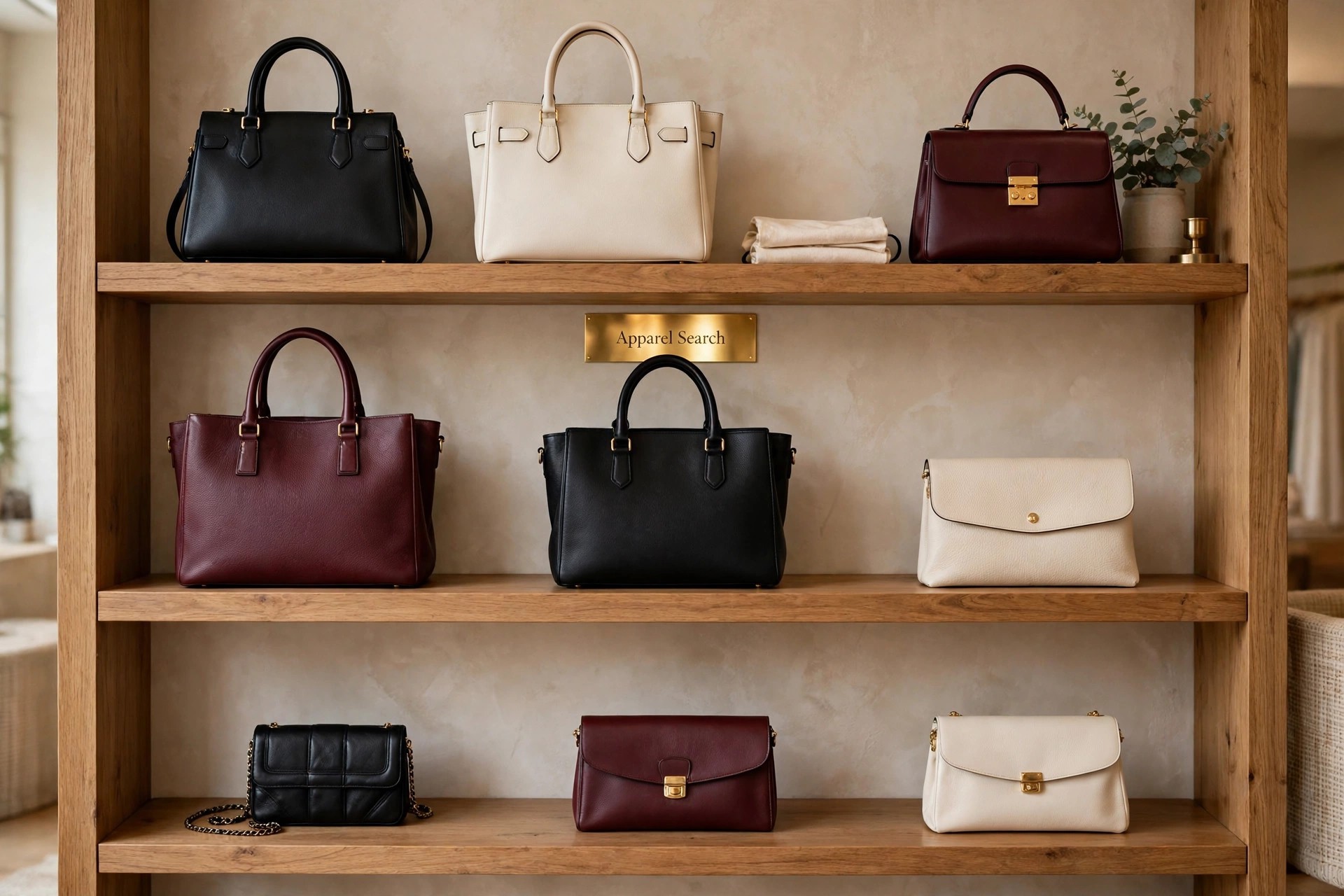
Materials, Craftsmanship and Hardware
The choice of materials significantly impacts the quality of a handbag. High-quality bags are often made from genuine leather, which is durable, long-lasting and develops a beautiful patina over time; canvas, suede and certain synthetic fabrics designed to resist wear can also serve well. Material decides how a bag ages: a good leather tote softens and deepens in color, while a poor synthetic cracks at the folds within a season or two.
Craftsmanship shows in precision stitching, even seams and strong hardware attachments - skilled workmanship is what lets a bag hold up under regular use. Hardware deserves its own inspection: zippers, clasps and buckles should be robust and functional, operating smoothly and adding to durability as well as looks. Stitching should be strong and even throughout, because loose threads or uneven seams signal lower quality and future repairs.
Structure, Lining and Comfort
A good quality handbag has a well-thought-out design and structure that allows easy organization and access to belongings. Pockets, compartments and interior lining all contribute to functionality and help keep items secure and organized; a bag that swallows keys and phones into one dark cavity fails its owner daily, however handsome it looks on a shelf. The interior lining should itself be durable and well-secured, protecting the inside of the bag and preventing wear from within.
Comfort is a quality factor in its own right. Consider the length and adjustability of straps and handles so the bag fits the way you actually carry it - in hand, on the shoulder or crossbody. Brand reputation can be a reliable indicator, since makers known for quality and craftsmanship stake their name on every bag, but reputation should confirm the physical checks above rather than replace them.
Durability, Timeless Appeal and the Year Guides
A quality handbag is designed to withstand daily wear and tear and remain in excellent condition for an extended period; beyond aesthetics, it should be functional and practical for your needs, in size, number of compartments and ease of access, so it suits your lifestyle rather than a photograph. Classic and timeless designs often indicate better quality, because they are less likely to go out of style and can be enjoyed for many years - the strongest argument for spending more once instead of less repeatedly.
The year guides apply these standards to particular seasons: the 2026 guide covers bowler bags and croc embossing, earlier editions track the mini-bag years and the return of structure, and the 2014 resources collect the handbag websites of their day. Companion reading includes selecting handbags for your body type, a survey of handbag styles, and the manufacturer's handbag guides, while the Fashion Influence handbag pages and the women's designer handbags guide go deeper on individual styles.
One last test ties the criteria together: carry the bag as you will actually use it before deciding. Load it with your real wallet, phone, keys and glasses case, walk the store, open and close it one-handed, and set it down - a bag that tips, gapes or slides off the shoulder in two minutes will do so for years. Size, weight when full and ease of access are quality factors as surely as leather and stitching, and they are the ones no photograph can judge for you.
Common Questions
What materials make a handbag high quality?
Genuine leather leads, because it is durable, long-lasting and develops a patina over time. Canvas, suede and well-made synthetic fabrics designed to resist wear are also sound choices.
How can I judge a handbag's craftsmanship in a store?
Check for precision stitching and even seams, strong hardware attachments, and zippers and clasps that operate smoothly. Loose threads or uneven stitching are warning signs of lower quality.
Which years do the best handbag guides cover?
2026, 2023, 2022, 2021, 2019, 2018, 2017, 2016, 2015 and 2014. There is no 2020 edition - the decision was too difficult that year and the year was skipped.
Photos


More to Explore
- Women's Designer Handbags Guide
- Wholesale Handbags
- Dupes
- handbags
- Best Handbags 2026
- Best Handbags 2023
- Best Handbags 2022
- Best Handbags 2021
- Best Handbags 2019
- Best Handbags 2018
- Best Handbags of 2017
- Best Handbags 2016
- Best Handbags 2015
- Best Handbag Resources for 2014
- Selecting Handbags for Your Body Type
- Handbag Styles
- Handbag Guides
- about consumers of fashion
- Explore Apparel Search
- Explore the Fashion Industry
- Explore Fashion Careers