Women's G-String Swimwear Guide
A product guide to g-string swimwear: what the style is, the fabrics swimwear versions use, sizing and fit considerations, appropriate settings, and care.
Shop Women's G-String Swimwear Now
Shop Women's G-String Swimwear on Amazon Shop Women's G-String Swimwear on eBayThe Amazon and eBay links on this page are affiliate links. If you make a purchase through them, Apparel Search may earn a commission.
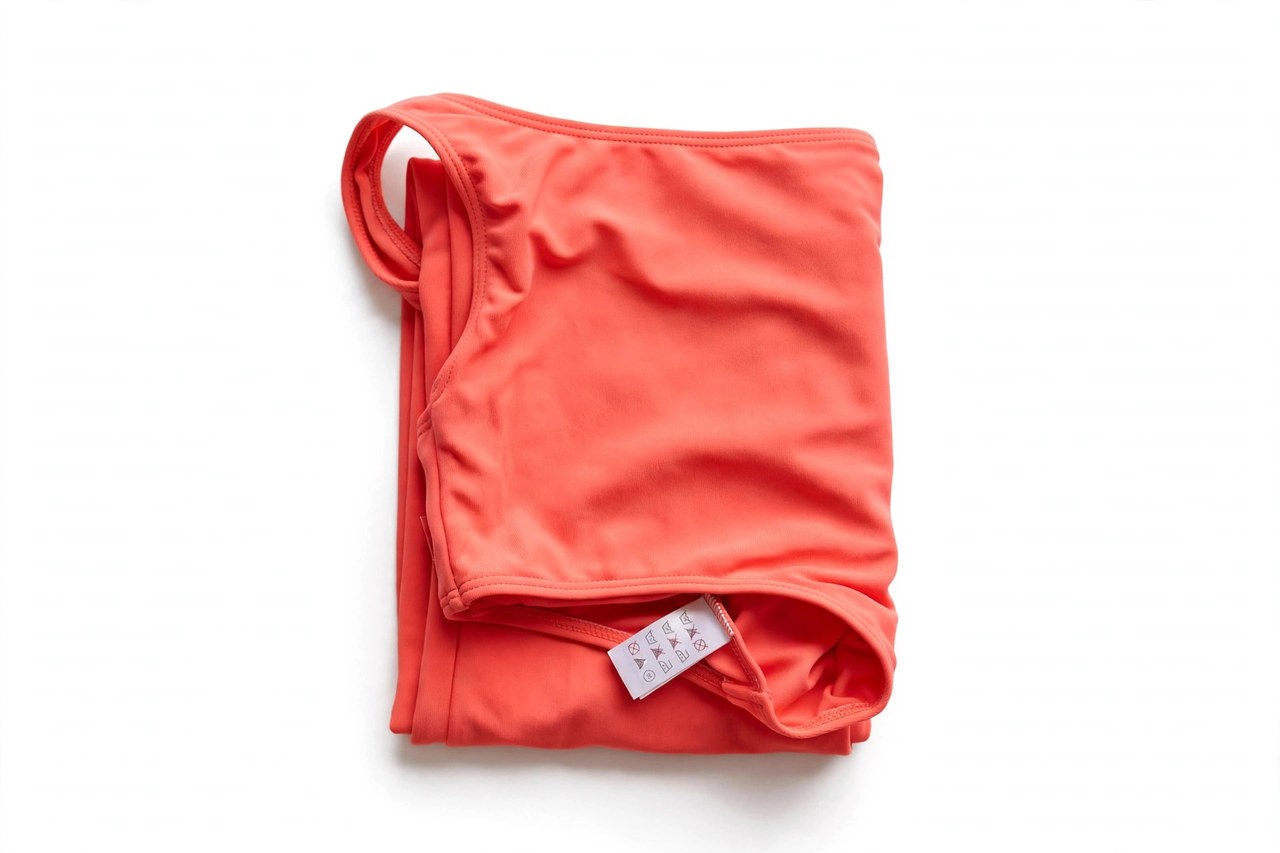
This is a product guide to g-string swimwear: what the garment is, what it is made from, and what to check before buying. The clearest definition: a g-string is a narrow piece of fabric that covers the front, passes between the buttocks, and is attached to a band around the hips. A g-string is a type of thong, and the same silhouette is sold as both swimwear and underwear — the difference between the two is the fabric utilised, a point this guide returns to below.
Coverage is the defining characteristic of the style: it is minimal by design. Two practical consequences follow from that, and both are purchasing considerations rather than judgements — sun exposure, and the rules of the venue. Personal comfort and modesty preferences are part of the buying decision for this style in a way they are not for a full-coverage swimsuit.
Swim Fabrics and Construction
Swimwear versions are cut from chlorine- and salt-resistant stretch fabrics — nylon or polyester blended with elastane, increasingly in the PBT or recycled-fibre versions sold for frequent swimmers. The front panel should be lined: unlined light-coloured swim fabric becomes translucent when wet, which is a construction check, not a style one. Elastic is enclosed in the leg and hip edges to keep the garment in place in water, where drag tests every seam.
Underwear versions of the same silhouette use underwear fabrics instead — cotton, microfibre, lace — which are not made for immersion: they absorb water, lose shape and dry slowly. That fabric difference is the entire technical distinction between the two product categories, and it is why the swimwear version should be bought as swimwear, from swim fabric, whatever the silhouette's familiarity from the underwear drawer. See our g-string underwear guide for the underwear version's own fabric rules.
Fit and Sizing
Sizing in minimal-coverage swimwear is less forgiving than in a standard swimsuit, because there is less fabric to distribute a sizing error. The hip band should sit flat without digging — digging signals a size small, and in water the garment will migrate further. The front panel's width and the rise vary considerably between brands and between fashion and European cuts, so the size chart's hip measurement, not the usual dress size, is the number to buy by.
Adjustable side ties or sliders, where fitted, are worth choosing for a first purchase in the style: they convert a fixed guess into an adjustable fit. As with all swimwear, try on over underwear, and check the fabric's recovery — a panel that stays stretched after a firm pull will not recover its fit in the water either.
Sun Exposure and Venue Rules
Two practical checks belong in any honest buying advice for this style. First, sun exposure: minimal coverage means maximal skin in the sun, and the caution is simple — be careful of having too much sun exposure, use high-protection sunscreen on the exposed skin, and reapply after swimming. Skin that is normally covered burns fastest, which is a health consideration specific to this cut.
Second, venue rules: acceptance of minimal swimwear varies by country, resort, pool and beach, and some pools and family venues set coverage rules of their own. Checking the venue's policy before travelling with only this style in the case is the practical step; many wearers pack it for the settings where it is standard — resort and adult-oriented beaches and pools in much of Europe and elsewhere — alongside a fuller-coverage suit for elsewhere.
Care
Rinse in cold fresh water after every swim — chlorine and salt degrade elastane even in resistant blends — and wash gently by hand with mild detergent. Dry in shade, never in a tumble dryer and never wrung hard: heat and twisting are the two fastest routes to a slack hip band. Sunscreen and tanning oils stain light swim fabrics, so apply, let it absorb, then dress.
Rotate two suits if you swim daily on holiday; elastane recovers between wears, and a rested suit keeps its fit noticeably longer across a season.
Looking for Women's Clothing Stores?
This guide helps you choose women's g-string swimwear. To browse where to buy, visit our women's clothing store directory, where you can find retailers that carry them.