Women's Thong Swimwear Guide
Thong swimwear is a swimsuit style with a narrow back panel on the bottom, sold as one-piece and two-piece designs in standard swim fabrics with lining at the front.
Shop Women's Thong Swimwear Now
Shop Women's Thong Swimwear on Amazon Shop Women's Thong Swimwear on eBayThe Amazon and eBay links on this page are affiliate links. If you make a purchase through them, Apparel Search may earn a commission.
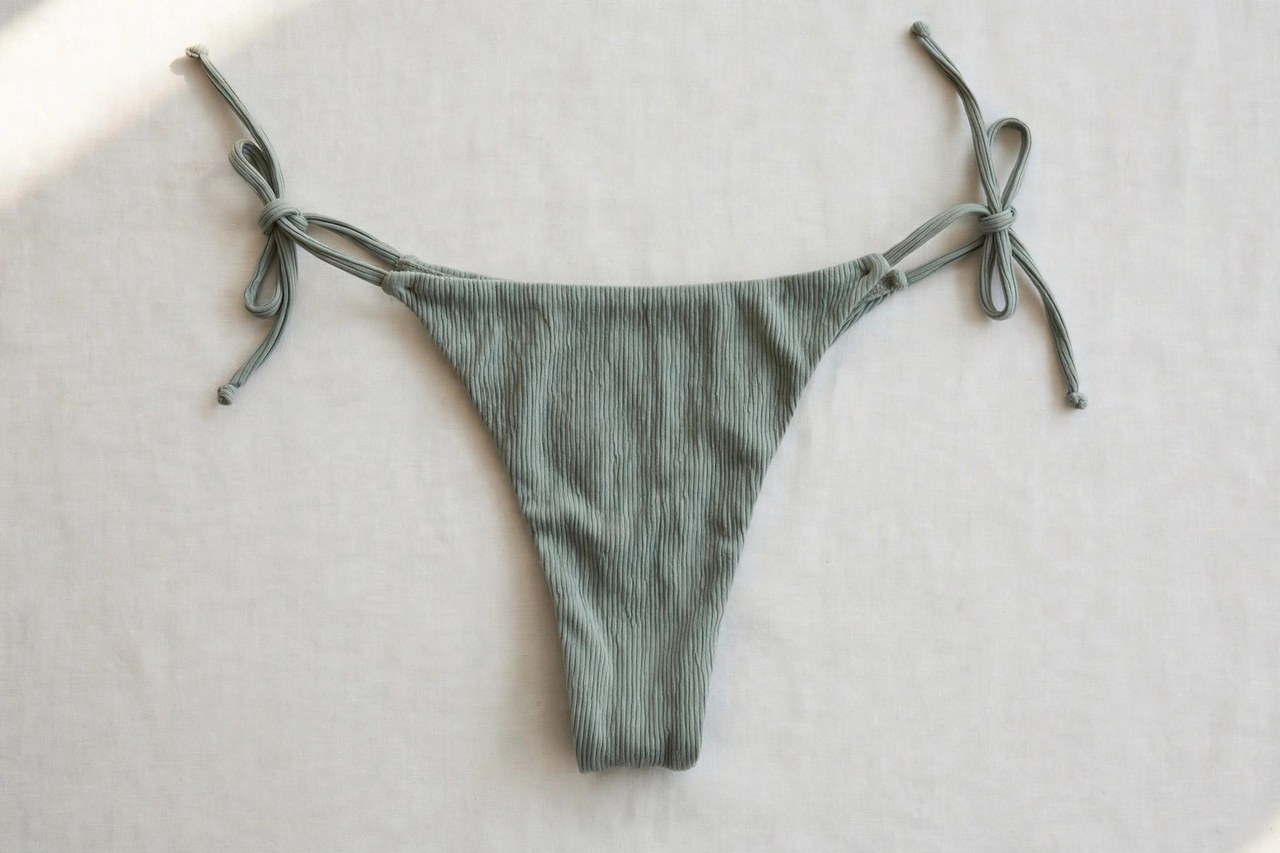
Thong swimwear is a swimsuit style with a narrow back panel on the bottom, sold as one-piece and two-piece designs in standard swim fabrics with lining at the front. This is a product-only guide: fabric composition and stretch recovery, lining, seam finishing at the edges, sizing by hip measurement, and care for elasticated swim fabrics, described in neutral garment terms.
This guide covers thong swimwear in the order a careful buyer needs it: what the product is made from, how it is constructed, how it should fit, how to choose it for real use, and how to care for it so it lasts. Apparel Search has published guides to women's clothing for decades, and this rebuilt page keeps the subject focused — measurable details, named materials and checks you can perform in a shop or on a parcel's arrival, rather than general fashion language.
Fabrics and Construction
Swimwear for thong swimwear is made from elastane blended with nylon or polyester, knitted to stretch, recover and survive chlorine, salt and sun better than any natural fibre can. Polyester versions resist chlorine longest and suit regular pool swimming; nylon versions are softer and are the usual choice for occasional and holiday use. The label's percentages are the first specification to read, because stretch recovery — the garment returning to shape — is what keeps a swimsuit fitting after a season of use.
Construction is a short list of checkable details. Front lining, and lining throughout in better products, prevents show-through when wet; edges are finished with elastic that is covered or turned so it does not rub; straps, ties and closures are built to hold in moving water, not only on dry land. Edge elastic is the working part of this style: it must be firm enough to keep the garment in place in water, finished so the elastic itself does not contact or rub the skin. Seams should be flat and soft, since a raised seam in a tight, wet garment is felt within minutes.
Fit and Sizing
Fit thong swimwear by body measurement against the maker's chart — bust, waist and hip for tops and one-pieces, hip above all for bottoms, and torso length for one-piece styles, the measurement most often missing and most often the cause of failure. Swim fabric is bought snug: it relaxes slightly in water and with wear, so a suit that feels loose when dry will not stay in place when swimming. Straps and bands should stay put through a full range of movement — reach, bend and twist — tested dry at home.
Between sizes, the right choice depends on the garment's job. A suit for lengths and regular swimming should be the firmer fit, since drag and movement punish looseness; a suit for occasional gentle use can favour comfort. Never judge by dress size alone: swim sizing runs differently between brands, returns are commonly restricted on swimwear for hygiene, and the measurement chart plus the dry movement test are the reliable evidence available.
Choosing the Right Product
Choose thong swimwear by where and how often it will be used. Regular chlorinated pool use argues for chlorine-resistant polyester and simple, durable construction; sea and holiday use can prioritise quick drying and comfort; and any style should be judged first on the measurable criteria — fabric, lining, edge finishing and fit — since those decide both performance in the water and life out of it. Colour is practical too: dark fabrics fade least visibly in chlorine, and prints disguise fading best of all.
Compare products like with like. In practice, rank these checks in the order your own use demands — frequency of wear first, then weather, washing facilities and budget — because that order differs by wardrobe, and it is the real reason two careful buyers can correctly choose differently from the same rail. Price differences in swimwear are mostly fabric quality, lining extent and finishing, and a low price usually means less of all three rather than a bargain in the same garment. Buy multiples in rotation for frequent swimming if the budget allows: elastane lasts far longer when each garment rests and dries fully between swims.
Washing and Storage
Rinse thong swimwear in clean cold water immediately after every swim, chlorine or salt: the chemicals continue damaging elastane for as long as they sit in the fabric. Wash occasionally by hand in cool water with a mild detergent, never wring or use bleach or fabric softener, and dry flat or hanging in shade — sun, tumble dryers and radiators all destroy stretch and fade colour, and a suit left balled in a bag will mildew as well as perish.
Store swimwear clean, dry and flat, away from rough surfaces that snag fine knits and from plastic bags that trap moisture. Rotate suits so elastane recovers between wears, keep sunscreen and oils off the fabric where possible since they stain and degrade it, and retire a suit when the fabric thins, bags or loses recovery — past that point it will not stay in place in the water, whatever its colour still promises.
Related Women's Guides
More to Explore on Apparel Search
Looking for Women's Clothing Stores?
This guide helps you choose women's thong swimwear. To browse where to buy, visit our women's clothing store directory, where you can find retailers that carry them.