Start Here
Dress for the Trail, Not the Car Park
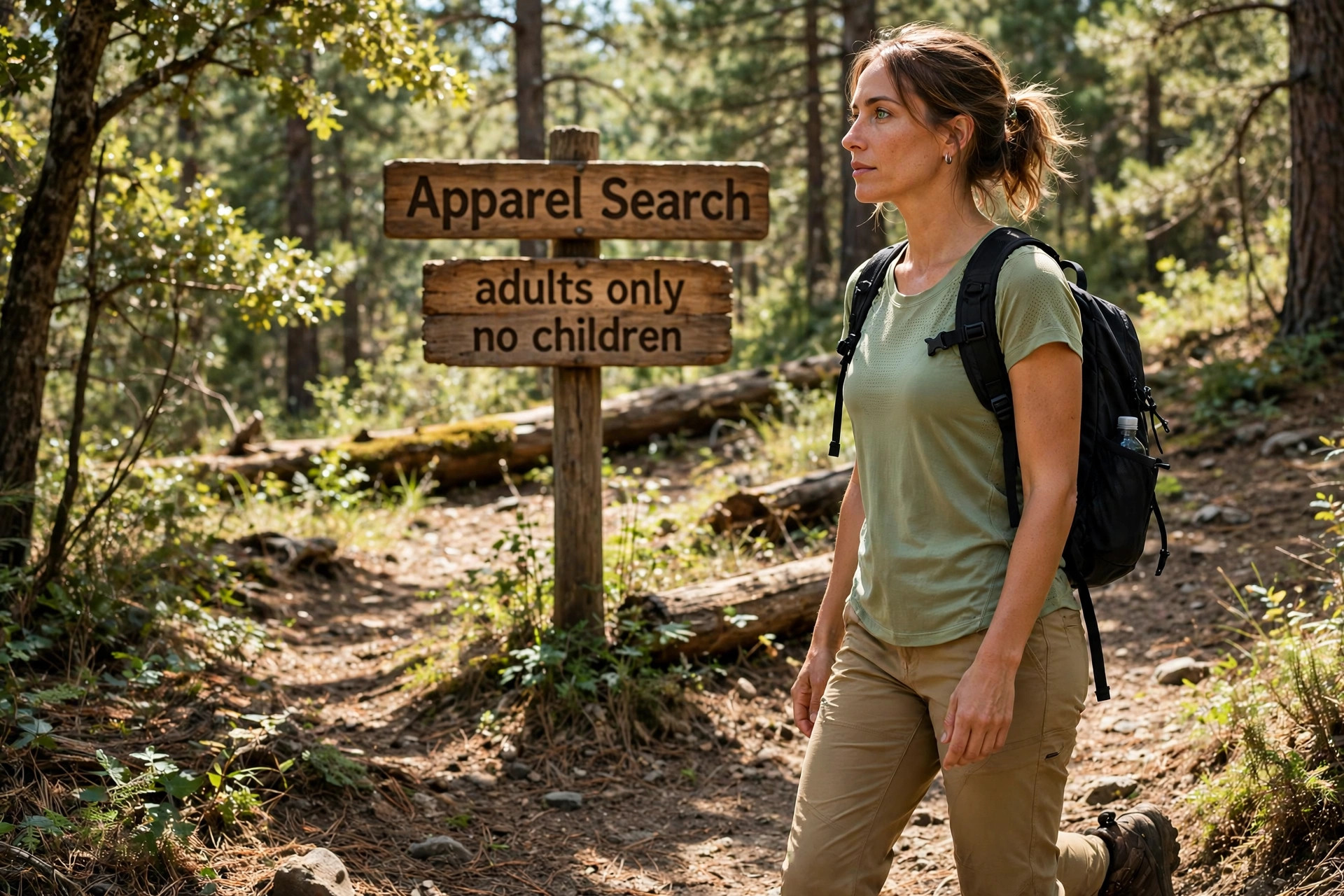
A good hiking outfit is a small system, not a pile of sporty clothes. Each piece has a job: footwear grips and protects, bottoms let you stride and scramble, tops manage sweat and sun, and one spare layer waits in the pack for the weather you did not expect. Build it in that order and almost any trail becomes more comfortable.
Two rules govern everything that follows. First, avoid cotton next to the skin: it soaks up sweat, dries slowly and chills you at rest stops. Second, dress for the conditions at the top of the climb and an hour later, not for the warm car park at the start. The what to wear by temperature guide helps translate a forecast into clothing, and our companion women’s hiking layering guide explains the layer system in full.
Search Apparel Search
Footwear First
Boots, Shoes and Socks Decide the Day
More hikes are spoiled by footwear than by any other choice, so start here. For rough, rocky or muddy ground, and whenever you carry a heavier pack, choose boots with ankle support — see the women’s hiking boots guide for fit and stiffness. For well-kept paths, dry weather and lighter loads, the lower, nimbler option in the women’s hiking shoes guide is often more pleasant, especially in summer heat.
Whichever you pick, break it in on short walks first, lace it firmly enough that your heel does not lift, and pair it with proper hiking socks in merino or a synthetic blend, with cushioning under the heel and ball of the foot. Pack a spare pair on longer walks: changing into dry socks halfway is a small luxury that prevents blisters better than almost anything else.
Bottoms
Pants, Shorts or Leggings?
Hiking pants are the default for a reason: stretch woven fabric, articulated knees, useful pockets and full protection from brush, sun and insects. Convertible styles that zip off at the knee cover changeable days in one garment. Hiking shorts suit hot, open trails, but leave legs exposed to sunburn, scratches and ticks, so pair them with sunscreen and a careful end-of-day check. Leggings — covered in the women’s leggings guide — are comfortable and popular on maintained paths; choose thick, opaque pairs with pockets, and step up to pants for scrambles or overgrown routes.
Fit matters more than fashion here: you should be able to take a high step onto a rock, crouch and sit on the ground without anything pulling, digging or sliding down. A belt or a secure drawcord waist is worth more than an extra pocket.
Tops, Sun and Bugs
The Top Half: Sweat, Sun and Insects
Choose tops that move moisture: a synthetic or merino short-sleeved tee for warm days, a long-sleeved hiking shirt when sun or insects are the bigger problem. Long sleeves in a light, UPF-rated fabric protect shoulders that a pack strap would otherwise rub raw over sunscreen, and a collar and buttoned front let you ventilate on climbs and cover up at summits. Add a sports bra designed for movement rather than fashion, in a fabric that dries fast.
Sun strategy is clothing first: a wide-brim or legionnaire-style hat, sunglasses, UPF sleeves or a shirt, then sunscreen on what remains. Bug strategy is similar — long, loose, light-coloured clothing makes biting insects easier to spot and harder work for them; treat socks and pant cuffs as the front line in tick country, and carry repellent for exposed skin.
Day vs Longer
Day Hikes Are Not Just Shorter Backpacking
For a day hike, the outfit above plus a light insulated or rain layer in a small pack covers nearly everything. Keep the pack honest: water, food, sun and bug protection, a map or charged phone, and that one spare layer. If rain is plausible, borrow the thinking from our women’s rainy day outfits guide and take a real waterproof, not a fashion mac.
On longer trails — full days, high mileage or overnight trips — every choice gets stricter. Footwear must already be proven over distance, fabrics must dry overnight, and the layer system carries the whole temperature range from dawn cold to midday heat. Avoid anything you have not worn before, however promising it looks in the shop: the trail is a poor fitting room, and comfort compounds over miles just as discomfort does.
Questions
Common Questions
What should a woman wear for a day hike?
Start with broken-in hiking boots or hiking shoes and moisture-wicking socks, then add stretch hiking pants, shorts or leggings, a breathable synthetic or merino top, and a light layer in the pack. Finish with a sun hat, sunscreen and insect protection suited to the trail.
Are leggings good for hiking?
Yes, on maintained trails in mild weather — choose thick, opaque, squat-proof leggings with pockets and a fabric that dries quickly. Switch to hiking pants where brush, rock scrambles or biting insects are likely, because pants protect the legs far better.
Why does cotton cause problems on hikes?
Cotton absorbs sweat and rain, dries slowly and feels cold once it is wet, which can turn a pleasant walk uncomfortable and, in cold wind, genuinely risky. Synthetic and merino fabrics move moisture away from the skin and stay comfortable for much longer.