Women's Leggings Guide
Tight-fitting stretch pants that work as sportswear, layering piece and trouser substitute: fabrics, lengths, opacity and how to pick the right pair.
Shop Women's Leggings Now
Shop Women's Leggings on Amazon Shop Women's Leggings on eBayThe Amazon and eBay links on this page are affiliate links. If you make a purchase through them, Apparel Search may earn a commission.
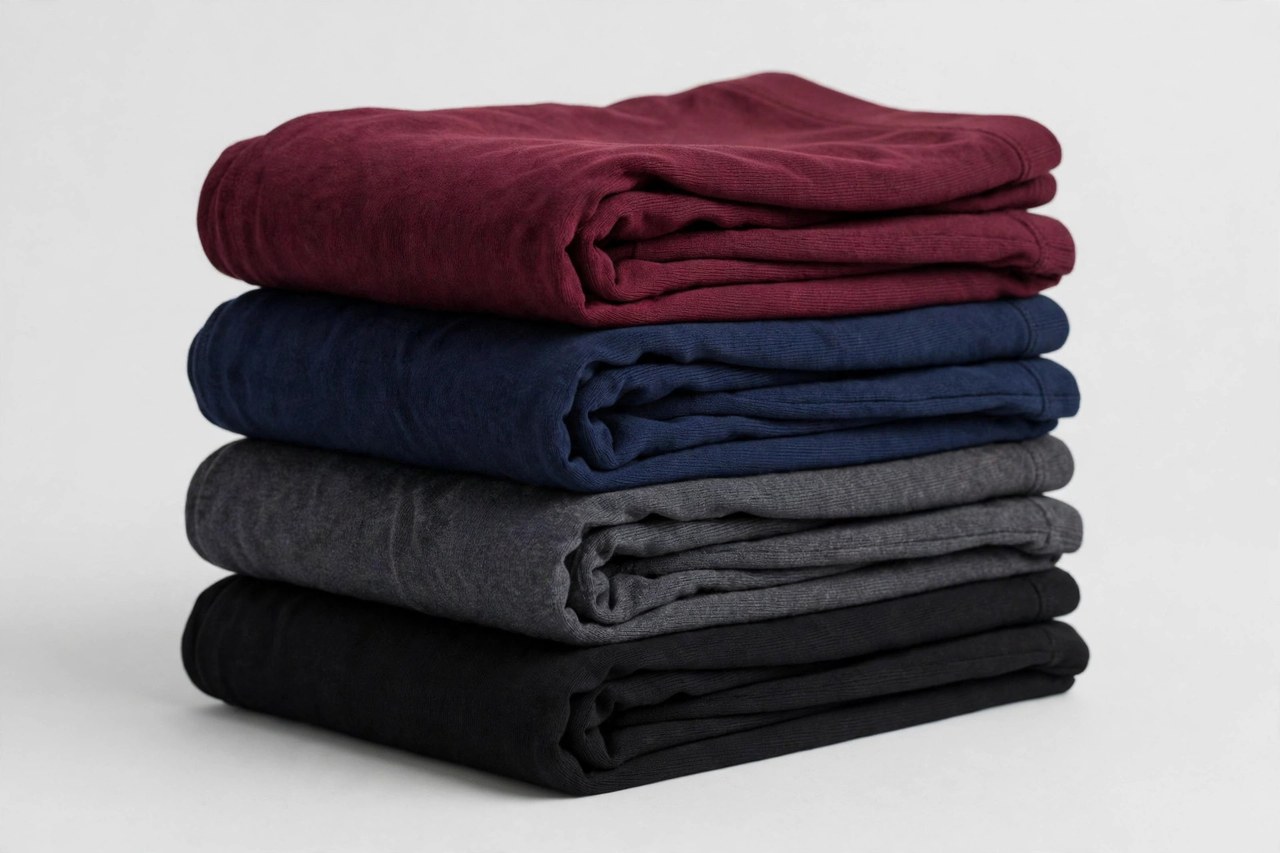
Simply put, leggings are tight-fitting stretch pants, typically worn by women or girls. Ladies' leggings serve different purposes depending on the occasion: a thick ponte legging can stand in for trousers at the office, a compression pair is gym kit, and a soft cotton pair is the base of half the casual outfits in the modern wardrobe. Few garments have crossed so many dress codes in so short a time.
This guide explains the fabrics and constructions on offer, the difference between leggings, tights and hosiery (a genuinely confusing trio), how to test a pair before you buy, and how to make them last.
Fabrics and Constructions
When selecting leggings, be sure to find them in the right material. Cotton-rich leggings breathe and feel soft, but bag at the knee if the elastane content is low. Polyester and nylon blends wick moisture and hold their shape, which is why active leggings are built from them. Faux-leather and coated leggings give a dressed-up, trouser-like finish, while fleece-lined pairs turn the style into winter wear. Velvet, silk-look and ribbed knits cover the dressy end of the range.
Construction details matter as much as fiber. A wide, flat waistband stays put and smooths the tummy; a gusseted crotch prevents seam stress; flatlock seams avoid chafing in sport pairs. Check the rise as you would on trousers — high-rise leggings dominate for good reason, since they stay up through a squat or a sprint for the train.
Leggings, Tights and Hosiery
The three are constantly confused, so here is the working distinction our readers ask about most. Leggings are footless, opaque and made from a substantial knit — they are trousers, not underwear. Tights are footed, usually sheerer, and knitted much finer. Hosiery is the umbrella trade term covering tights, stockings and pantyhose. If you can see through it, it is not a legging, whatever the label says.
That leads to the golden rule: the squat test. Bend, squat and stretch in the fitting room (or in front of a mirror at home, tags on). A legging that turns sheer over the knee or seat will do it in public too. Quality pairs use heavier yarns or a double-knit so the stretch never thins the cover.
Lengths and Styles
Full-length leggings end at the ankle; 7/8 length stops just above it and flatters shorter legs; capri or cropped styles end mid-calf. In need of a pair that can incorporate into your active wear? A capri-style legging will keep you moving with comfortable ease throughout your entire workout — no fabric bunching behind the knee, and cooler in summer gyms.
Beyond length: stirrup leggings (a retro revival that anchors the hem under the foot), footed styles that read as thick tights, cutout and mesh-panel fashion pairs, and prints from leopard to camo. Pocketed leggings — a phone pocket on the thigh — have quietly become the feature women refuse to give up. The stirrup style now has a full guide of its own — stirrup leggings — covering the strap's purpose, fabrics from ponte to ribbed knits, and modern styling.
Styling and Care
The established styling rule is proportion: because leggings are close-fitting, pair them with a longer top, tunic, oversized shirt or a blazer that balances the silhouette — unless the pair is genuinely trouser-weight ponte, in which case treat them exactly as slim pants. Boots, loafers and lifestyle sneakers all anchor them well; a structured bag keeps the look deliberate.
Care is simple but strict: wash inside out, cool, with similar colors, and skip the fabric softener — it coats the elastane and kills the stretch. Air-dry flat or on a line; tumble heat is the fastest way to turn a good pair baggy. Fold rather than hang, so the waistband elastic is not under constant load.
Related Women's Guides
Photos

More to Explore on Apparel Search
Looking for Women's Clothing Stores?
This guide helps you choose women's leggings. To browse where to buy, visit our women's clothing store directory, where you can find retailers that carry them.