Juniors Fashion Guide
The juniors look is a moving target by design: trend-first styling for the stage between girls' and women's — and the fastest feedback loop in fashion.
Shop Juniors Fashion Now
Shop Juniors Fashion on Amazon Shop Juniors Fashion on eBayThe Amazon and eBay links on this page are affiliate links. If you make a purchase through them, Apparel Search may earn a commission.
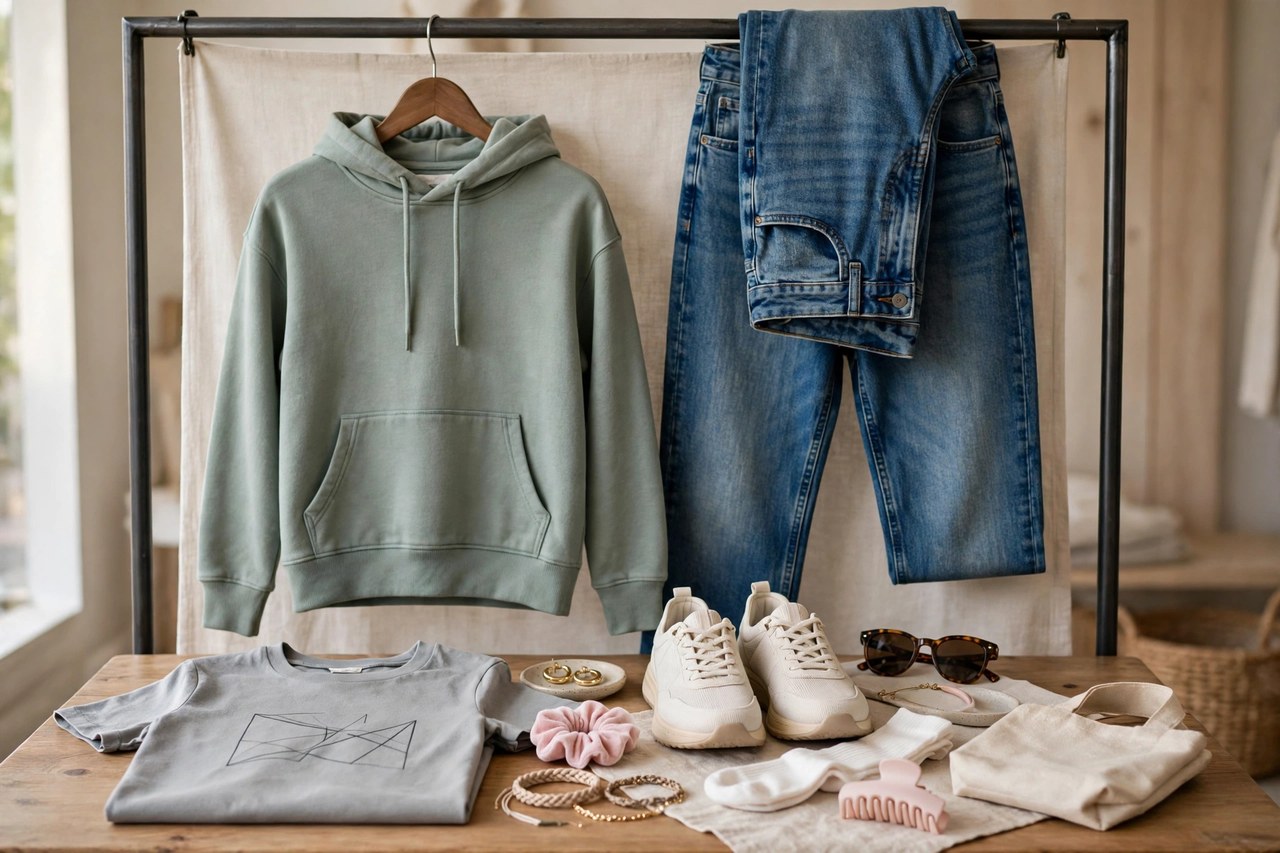
Juniors fashion sizes are typically for young women. It is clothing sized for a stage between girls and women's — essentially, clothing for teenage women. But “juniors fashion” means more than the size run: it is a recognizable look and a recognizable retail department, where the styling is trendier, the prices are lower, and the whole assortment turns over at a pace the women's departments never attempt.
This page is about the look and its logic. The size category itself is defined in the juniors apparel guide, the fit comparison with misses is in juniors clothing, and the trend machinery — how styles start and cycle in this segment — has its own page in juniors fashion trends.
A Fast-Paced Category for a Fickle Audience
This category is fast paced, catering to what can be kindly described as a fickle audience. If you are planning on designing or selling juniors fashion, you had better be very trendy: if a fashion brand or clothing store is not perfectly on trend, it can quickly lose its young shoppers. The feedback loop is brutally short — a style is posted, adopted, exhausted and mocked, sometimes within a single school term.
That speed explains the juniors look's signatures: silhouettes borrowed early from street style and music, graphics and logos worn as identity, denim in every treatment, layering pieces like hoodies and flannels that let one wardrobe produce many outfits, and accessories doing heavy expressive work. Nothing is meant to be worn for a decade. The clothes are a conversation, and the conversation moves.
Dos, Don'ts and the Real Limits
Juniors outfits and teen accessories have their dos and don'ts like other segments of the fashion market. However, the style choices have a great deal of flexibility — the experimentation is the point of the years the category serves. The primary limitations may be what parents or the school will approve as appropriate attire: dress codes set the hemline floor and the coverage rules, and family budgets set the rest.
Within those limits, the working rules are the universal ones worn younger: fit the body you have (the juniors guides repeat it for a reason), let one piece of an outfit be the loud one, and treat trends as ingredients rather than instructions. The young shopper's advantage is real — nearly everything is being made with her in mind first.
Accessories deserve their own mention, because in juniors fashion they carry a disproportionate share of the styling. A belt, a stack of bracelets, a cap or a mini backpack can move a plain jeans-and-tee base through several distinct looks in a week — the cheapest trend lever in the department, and the one with no sizing attached. When a whole outfit cannot change, the accessories rotate instead.
Finding the Fit Inside the Fashion
There is no such thing as a proper or perfect size, and juniors fashion is where that truth is learned. Every young girl's body is different; the important thing is to select a garment that is a proper fit for your own body. It does not truly matter if the garment is in the junior, missy, or women's department — simply find the garment that is comfortable for you, and let the styling cross department lines as freely as the fit does.
A practical route through a juniors department: start with the trend pieces the department does best — denim, tees, tops, hoodies and dresses for occasions — and borrow structure from the women's side when a garment needs to work harder, like a blazer or tailored trousers. The juniors fashion pages that follow break the look down by garment: pants, t-shirts and tops, each in junior sizing and styling.
Related Women's Guides
Photos

More to Explore on Apparel Search
Looking for Women's Clothing Stores?
This guide helps you choose juniors fashion. To browse where to buy, visit our women's clothing store directory, where you can find retailers that carry them.