Juniors Fashion Trends Guide
Why juniors trends move at super-fast pace, where they start, which staples never leave, and how forecasting reads the youngest market in fashion.
Shop Juniors Fashion Trends Now
Shop Juniors Fashion Trends on Amazon Shop Juniors Fashion Trends on eBayThe Amazon and eBay links on this page are affiliate links. If you make a purchase through them, Apparel Search may earn a commission.
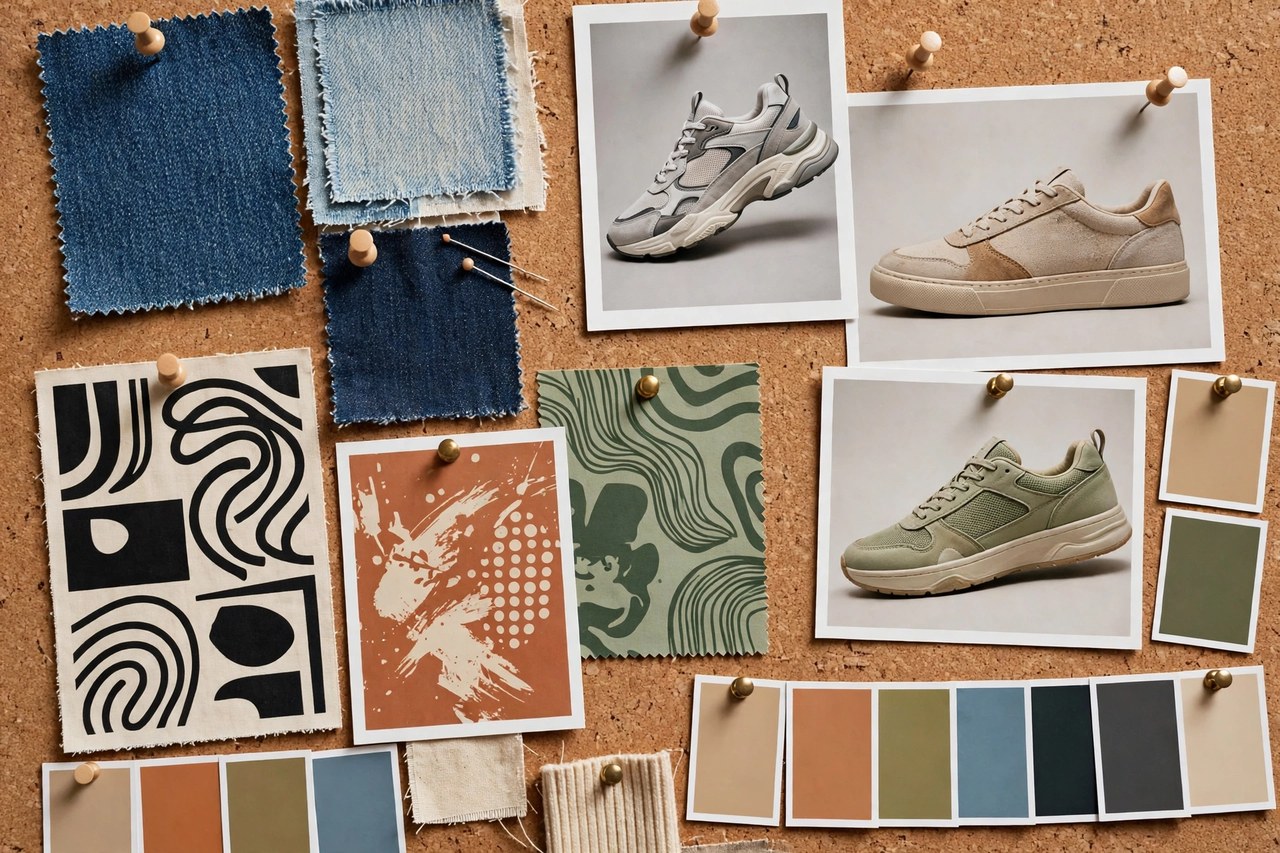
Juniors is a section made specifically for teenagers, and it tends to follow younger people's trends. If you are a parent, you are probably thinking it is nearly impossible to figure out what a teen wants. Fashion designers run into a similar situation: shoppers can be fickle, enjoy one trend this week, and lean toward a completely new trend next week. Fashion is always a fast-paced market; when dealing with juniors, it is a super-fast pace.
This page is deliberately evergreen. It explains how trends move through the juniors market — where they start, how they spread, why they die, and which categories never actually leave — rather than pretending to list this month's micro-trends, which would be out of date before the page was read twice.
Why No Page Can List the Trends
Unfortunately, no page can list the hottest teen fashion trends, because by the time you read it, the trends would most likely have already changed. In order to stay on top of current fashion trends for juniors, you should visit the mall, read teen fashion magazines, and browse social media. That advice has only sharpened: the trend cycle that once ran on magazine seasons now runs on short-video feeds, and a juniors style can be born, peak and become a punchline inside a month.
What can be usefully taught is the machinery. Juniors trends start where young people can see each other: school, music and sport culture, gaming and social platforms. They spread when a piece is cheap enough to adopt and visible enough to signal. They die of saturation — the moment a trend reaches the discount rack and the parents, its first wearers abandon it. Designers and buyers read this cycle professionally: fashion forecasting and trend spotting are real disciplines, linked from this page.
The Evergreens: What Is Always in Style
Ask what fashion trends are “always” in style for juniors, and the fair answer is a short list of categories: sneakers, jeans, t-shirts, hoodies, and baseball hats. These never leave — but it is important to keep in mind that within each of those primary categories, there is a huge amount of styling options. The trend is rarely the category; it is the cut of the jean, the profile of the sneaker, the graphic language of the tee, the fit of the hoodie.
That is why evergreen advice beats trend lists. Build the base from the five staples in the current cuts, then let one or two fast pieces per season carry the moment. Chasing every micro-trend is the most expensive way to dress and paradoxically the slowest way to look current, because last month's adopted trend reads older than a clean staple worn with confidence.
For Sellers and Parents Alike
For retailers, the juniors lesson is speed with humility: buy shallow, read the floor weekly, and never assume last term's winner repeats. For parents, the lesson is that the fickleness is structural, not personal — your teenager's taste is being re-negotiated daily by an entire industry and peer group at once. A budget spent on the evergreen five, plus a small allowance for the trend of the moment, satisfies both the wardrobe and the wearer. Whatever teens are wearing today is, by definition, in style — the juniors market does not follow fashion. At its best, it starts it.
Related Women's Guides
More to Explore on Apparel Search
Looking for Women's Clothing Stores?
This guide helps you choose juniors fashion. To browse where to buy, visit our women's clothing store directory, where you can find retailers that carry them.