Women's Petite Juniors Fashion Guide
Juniors and petite are different sizing systems solving different problems — juniors cuts for a youthful, straighter figure, petites for a shorter adult frame — and knowing which you need ends years of fitting-room confusion.
Shop Women's Petite Juniors Fashion Now
Shop Women's Petite Juniors Fashion on Amazon Shop Women's Petite Juniors Fashion on eBayThe Amazon and eBay links on this page are affiliate links. If you make a purchase through them, Apparel Search may earn a commission.
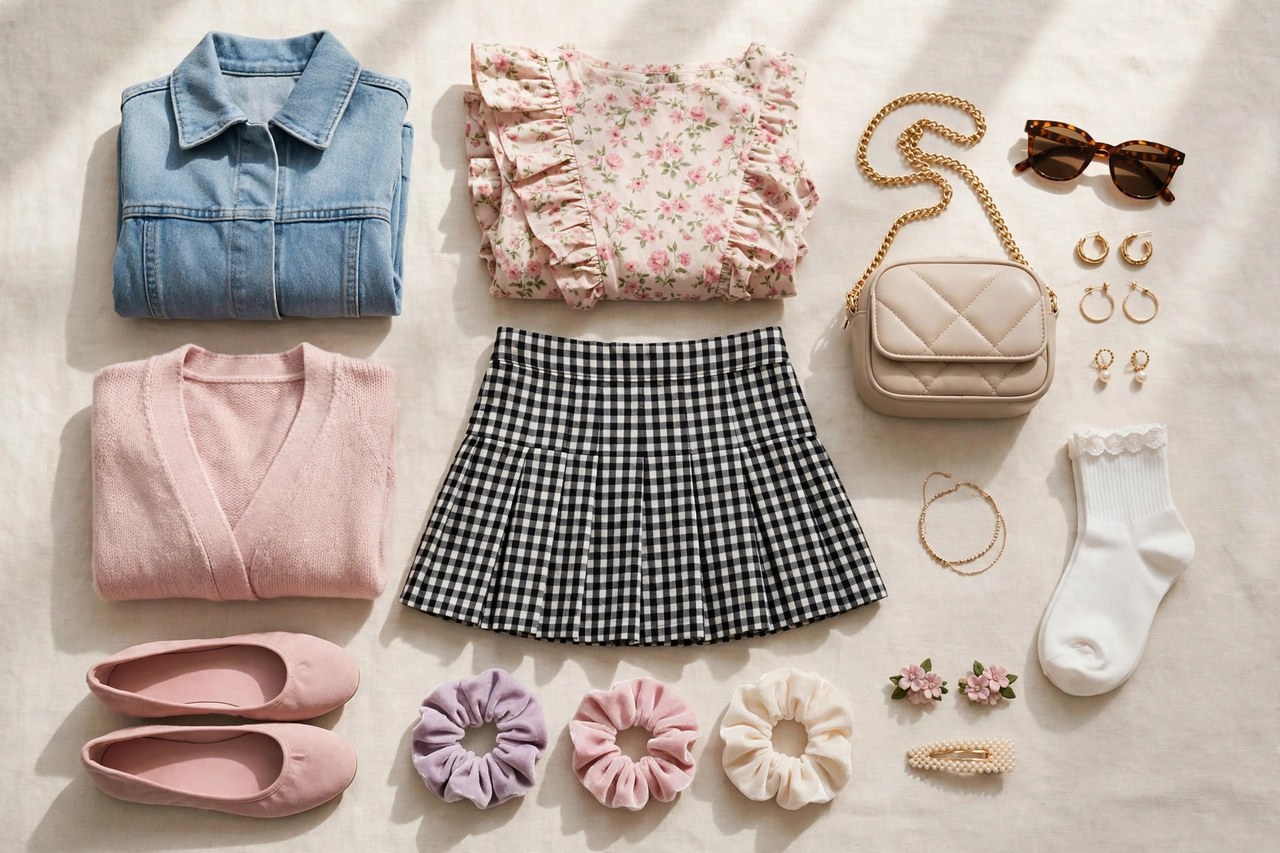
Few corners of women's clothing confuse shoppers more than the junction of juniors and petites. Both departments seem to promise clothes for smaller women, both sit near each other in the store, and many petite women have spent years buying juniors sizes because the lengths worked — while wondering why the fits never quite did. The two systems are not rivals. They are answers to different questions, and this guide explains both.
Petite sizing answers a question of height and proportion: the wearer is 5'4" and under, with a shorter torso, rise and inseam, but an adult figure. Juniors sizing answers a question of figure development and styling: the wearer is younger, with a straighter waist, narrower hips and a higher bust, whatever her height. A short adult woman may fit either, neither, or a mix — and the sections below show how to tell, category by category.
The Two Systems: Odd Numbers, Adult Cuts and Proportions
Juniors sizes run in odd numbers — 1, 3, 5, 7, 9 and up — and are cut with less difference between waist and hip, a higher and less shaped bust, and styling aimed at teen and young-adult tastes: shorter hemlines, trend-driven details, lower price points. Misses and women's sizes run in even numbers and are cut for an adult figure's curves. Petite is a proportion overlay on the even-number system: a 6 Petite is a misses 6 re-graded shorter in torso, rise, sleeve and inseam.
The length traps are symmetrical. Juniors lengths are not petite lengths: a juniors jean is cut for a young leg at average height, so its inseam still runs long on a petite adult, and its rise is low in the juniors fashion of its era but not short in the measured, engineered way a petite rise is. Meanwhile a juniors dress may have a short skirt that suits a petite woman by accident, while its bodice — unshaped for an adult bust — does not. Judge garment by garment, using the fit points in the next sections.
Where Juniors Works for Petite Women — and Where It Does Not
Juniors departments genuinely serve petite women in a few categories. Casual tops and tees: a shorter, straighter cut often matches a petite torso, and the prices are friendly. Trendy dresses for occasions: the shorter hemlines land at petite-appropriate lengths, and fit-and-flare juniors styles with an elastic or belted waist forgive bodice differences. Denim shorts and casual skirts: short lengths work, provided the rise is comfortable when sitting — the classic juniors failure point for adults.
The categories to buy in true petites instead are the structured and the foundational. Tailored clothing — blazers, trousers, work dresses — needs adult shaping and petite placement of waist and pockets; juniors tailoring offers neither reliably. Bras and foundation garments should come from adult ranges entirely. Jeans for daily wear reward the petite rise-and-knee engineering that juniors denim lacks. The workable strategy for a petite woman who likes juniors styling is hybrid: trend and casual pieces from juniors, skeleton wardrobe pieces — the clothes that must fit precisely — from petite ranges.
Converting Sizes and Reading the Fit
The rough conversion is that a juniors size sits about one number above its misses neighbor: a misses 6 is often compared to a juniors 7, a misses 8 to a juniors 9. Treat that as a fitting-room starting point, not a rule, because brands grade juniors inconsistently and trend cuts vary wildly. Measurements travel better than numbers: know your waist, hip, inseam and torso length, and compare them against whichever chart — juniors or petite — the garment uses.
In the fitting room, run the adult-figure checks on any juniors piece. Sit down: does the rise stay comfortable and covered? Raise your arms: does the bodice have room for an adult bust without pulling the hem up? Check the waist: juniors cuts assume a straighter waist, so a piece that fits your hips may strain or, more often, hang shapelessly at the waist — belted and wrap styles hide this, fitted sheaths expose it. If a juniors piece passes those checks, its lower price and fresher styling are a legitimate win, not a compromise.
Styling Juniors Fashion on an Adult Petite Frame
The styling risk of juniors fashion on an adult is not size but register: pieces cut and trimmed for teenagers can read young rather than fresh. The fixes are simple and mostly about pairing. Wear one juniors trend piece at a time, anchored by adult basics — a juniors printed top with proper petite trousers, a juniors dress with grown-up shoes and bag. Keep hemlines where you would choose them as an adult; the petite advantage is that juniors lengths often land there naturally, but check in the mirror, not by assumption.
Finally, follow the quality gradient honestly. Juniors clothing is built to a price and often to a season; petite department clothing is built to last longer in the wardrobe. Spend accordingly: juniors for the trend you will enjoy this year, petites for the coat, the trousers, the dress and the jeans you need to be right every week. A petite wardrobe that uses both systems deliberately — each for what it actually is — is larger, cheaper and better fitting than one that confuses them.
Related Women's Guides
More to Explore on Apparel Search
Looking for Women's Clothing Stores?
This guide helps you choose women's petite juniors fashion. To browse where to buy, visit our women's clothing store directory, where you can find retailers that carry them.