Women's Plus Size Juniors Fashion Guide
Juniors plus fashion explained: how junior plus sizes differ from women's plus in cut and proportion, which styles translate, and when to shop each department in sizes to 3X and beyond.
Shop Women's Plus Size Juniors Fashion Now
Shop Women's Plus Size Juniors Fashion on Amazon Shop Women's Plus Size Juniors Fashion on eBayThe Amazon and eBay links on this page are affiliate links. If you make a purchase through them, Apparel Search may earn a commission.
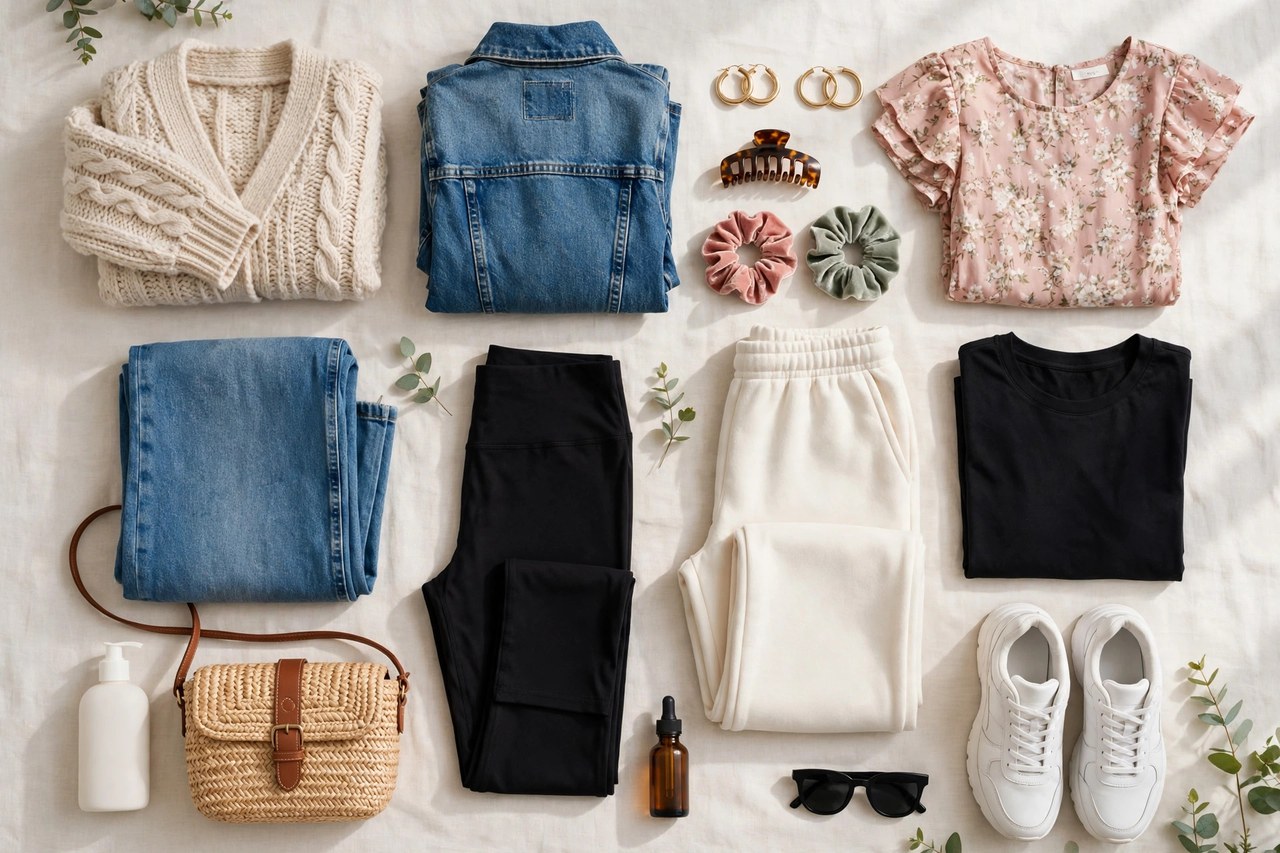
Juniors plus is the most confusing label in plus size shopping, because it names a cut and a customer, not just a size. Juniors departments were built for younger shoppers, and their plus ranges — usually labeled junior plus and running in odd sizes and 1X to 3X — carry the juniors pattern block into larger sizes: a higher, less-defined waist, a straighter hip, shorter rises and torsos, and styling aimed at current, fast-moving trends.
Neither department is better; they fit different bodies and different tastes, and many shoppers wear both for different garments. This guide explains exactly how the two blocks differ in measurement terms, which categories translate well between them, and how to read a junior plus size chart when you know your women's plus size. Understanding the juniors block also explains years of mysterious fit failures — the jeans that fit the hip and gap nowhere yet still feel wrong are very often a juniors cut meeting an adult waist-to-hip ratio.
Junior Plus vs Women's Plus: The Pattern Difference
The core difference is waist-to-hip grading. A women's plus pattern assumes a clear difference between waist and hip measurements and curves the garment between them: contoured waistbands, shaped hips, darts and yokes placed for a defined waist. A juniors plus pattern assumes a smaller difference — a straighter, less curvy figure — and cuts accordingly, with a higher natural waistline position, less shaping through the midsection and a hip that is fuller in measurement than in shape.
Sizing labels encode the history: traditional juniors use odd numbers (13, 15, 17, 19) against women's even numbers (14W, 16W, 18W), and junior plus letter sizes (1X, 2X, 3X) are cut from the juniors block even when the letters match women's lines in the same store. A junior plus 2X is therefore not interchangeable with a women's 2X: expect it to fit closer through the waist and midsection shaping, shorter in rise and length, and younger in styling details.
Who Fits Juniors Plus, and Which Styles Translate
Bodies that fit juniors plus best are those closer to its assumptions at any age: a straighter waist, a less pronounced hip curve, a shorter torso or rise, or a bust and hip that are balanced with a fuller middle rather than a defined waist. Many younger plus shoppers also simply prefer its styling — trend-led pieces, cropped lengths, mini and shorter hemlines, graphic and novelty details, and denim washes and distressing that women's departments offer more conservatively.
Categories translate unevenly. Knit tops, tees, sweaters, dresses in stretch fabrics and leggings cross over most easily, because stretch forgives grading differences. Jeans and structured trousers show the block difference most — rise and waist shaping are exactly what differs — so try juniors denim with the expectation of a lower, straighter fit. Structured jackets, blazers and formal dresses are where women's plus grading usually serves adult figures better, with its bust shaping and waist definition. Swim, intimates and basics follow their own sizing in both departments and should always be chart-checked rather than assumed.
Styling Juniors Plus Without Fighting the Cut
Work with the block rather than against it. Juniors plus pieces are designed around a higher waist emphasis and shorter proportions, so pair them as styled: cropped jackets and tops with the high-rise bottoms they were drawn for, dresses worn at their intended shorter lengths, layers kept light because the patterns allow less layering ease underneath. Adding a belt to a juniors dress often improves it for a defined-waist figure, supplying the shaping the pattern omits, and sizing for the hip and altering the waist achieves in tailored pieces what the block does not.
Trend value is the department's real offering. Juniors plus moves fastest on color, print, denim treatments and silhouettes of the moment, usually at lower prices, which makes it the sensible place to test a trend before investing in a women's-department version. The limits to respect are construction and fabric: fast trend pieces use lighter fabrics and simpler construction, fine for a season's experimentation and less fine for a staple expected to last years.
Shopping Between Departments: A Practical Method
Keep two size records, one per department: your women's plus size and measurements, and your junior plus size where you have proven it, category by category. When a retailer sells both, compare the two charts' numbers directly; the brand whose juniors chart shows more waist shaping is grading closer to a women's block, whatever the label says, and several modern brands have quietly converged their blocks — which is why measurement, not department folklore, is the final authority.
Returns are part of the method when learning a new department's fit, so favor sellers with easy exchanges for first orders and try one category at a time. Judge each test garment by the fit points from this section's other guides — shoulder, bust shaping, waist meeting waist, rise comfort, hip ease — and record the result. Juniors plus rewards the shopper who understands it as a different pattern, not a smaller or younger version of her size. Shopped that way, it doubles the trend choice available to plus shoppers without costing a single fitting-room mystery.
Related Women's Guides
More to Explore on Apparel Search
Looking for Women's Clothing Stores?
This guide helps you choose women's plus size juniors fashion. To browse where to buy, visit our women's clothing store directory, where you can find retailers that carry them.