Women's Satchels Guide
A satchel is a bag carried on the shoulder by a long strap and typically closed by a flap — businesslike for work, polished enough for evening.
Shop Women's Satchels Now
Shop Women's Satchels on Amazon Shop Women's Satchels on eBayThe Amazon and eBay links on this page are affiliate links. If you make a purchase through them, Apparel Search may earn a commission.
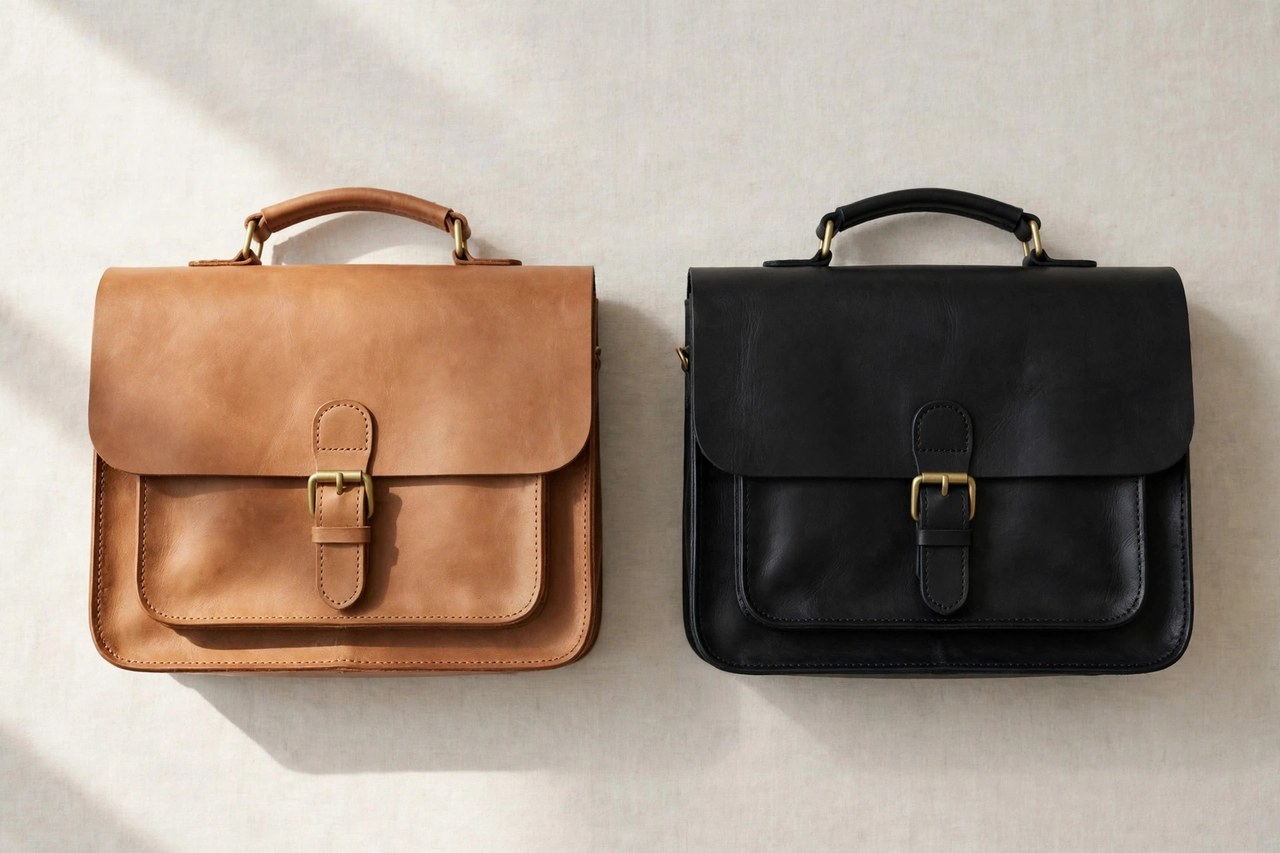
A satchel is a type of bag carried on the shoulder by a long strap and typically closed by a flap. Satchels are smart and businesslike enough to complement work clothing, and sleek and chic enough for a big night out, in smaller sizes. That double life is the satchel's defining trait — a structured, flap-closed bag that reads as deliberate in a way a soft tote or a slouchy hobo deliberately does not.
This guide covers the satchel as construction: how the flap is formed, how the strap is meant to be worn, which sizes hold which working days, and what separates a satchel that keeps its shape for years from one that sags by spring. If you carry a laptop daily or want an unstructured shopper, other bag pages will serve you better; the satchel rewards a carrier who packs a defined set of things, neatly.
Construction: The Back That Becomes the Flap
The classic satchel is easy to recognize once you see how it is made: the back of the bag extends to form a flap that folds over to cover the top and fastens in the front, with a buckle, clasp, turnlock or magnetic closure. That single-piece construction gives the traditional school and work satchel its clean lines and its security — the opening is fully covered, contents stay private, and rain sheds off the flap rather than into the bag.
Modern women's satchels soften that template: many feature a top handle plus a shoulder strap, a zip top under a decorative partial flap, and interior compartments the original school satchel never had. Judge any version by its structure. A reinforced base, feet to protect the bottom, finished edges and a lining that is attached rather than floating all predict how the bag will age. A satchel that cannot stand upright empty will rarely carry gracefully when full.
Carrying: Shoulder, Cross-Body and Hand
The strap is often worn so that it diagonally crosses the body, with the bag hanging on the opposite hip, rather than hanging directly down from one shoulder. Cross-body wear spreads weight, keeps hands free and holds the bag close in crowds; single-shoulder wear looks sharper and suits lighter loads; the top handle is for short carries, entrances and desks. A good satchel offers an adjustable, detachable strap so all three remain genuine options rather than compromises.
Fit the strap to your torso, not to the product photo. Worn cross-body, the bag should rest at or just above the hip, not bounce against the thigh; worn on the shoulder, it should clear your elbow. Wide straps and shoulder pads matter more as size grows. Alternate shoulders on long days, and be honest about weight: a structured leather satchel is already substantial empty, so its contents budget is smaller than a fabric tote of the same dimensions.
Sizes and What Actually Fits
Small satchels hold phone, wallet, keys and little more, and serve evenings and light days. Medium satchels — the classic workhorse — take a tablet, notebook, water bottle and daily essentials, usually in a main compartment with zip and slip pockets. Large satchels may take a slim laptop, but check the interior dimensions against your machine with its sleeve on, and check strap hardware rated for the combined weight, because flap bags concentrate load on fewer attachment points than totes.
Organization is the satchel's quiet advantage. The flap-and-structure format suits carriers who assign everything a place: look for a back slip pocket for a phone, an interior zip pocket for valuables, and a key leash if you use one. Test closure with the bag realistically full, not empty in the store — a flap that fastens beautifully empty but strains over your normal load will distort its fastening and its front panel within a season.
Materials, Care and Longevity
Leather is the traditional satchel material and still the most durable, gaining character as it softens at the flap's fold; saffiano and other treated leathers resist scratches and rain best for commuting. Canvas and nylon satchels cut weight and suit casual or travel use. Whatever the shell, hardware quality decides lifespan: solid metal clasps and riveted or stitched strap attachments outlast glued and purely decorative fittings, and are the first things to inspect on any satchel at any price.
Care for a satchel as you would a structured shoe. Empty and air it weekly, store it stuffed lightly to hold its shape with the flap closed and strap detached or tucked inside, and keep it in a dust bag away from direct sun. Condition leather sparingly, wipe spills promptly, and never overfill past the flap's natural close. A satchel's whole appeal is its composed shape; protect that shape in use and storage, and the bag will look composed for years.
Related Women's Guides
Photos

Looking for Women's Clothing Stores?
This guide helps you choose women's satchels. To browse where to buy, visit our women's clothing store directory, where you can find retailers that carry them.