Women's Leather Satchel Guide
The satchel is the most structured of handbags — flat base, firm sides, top handles — a school-and-office classic that leather was practically invented for.
Shop Women's Leather Satchels Now
Shop Women's Leather Satchels on Amazon Shop Women's Leather Satchels on eBayThe Amazon and eBay links on this page are affiliate links. If you make a purchase through them, Apparel Search may earn a commission.
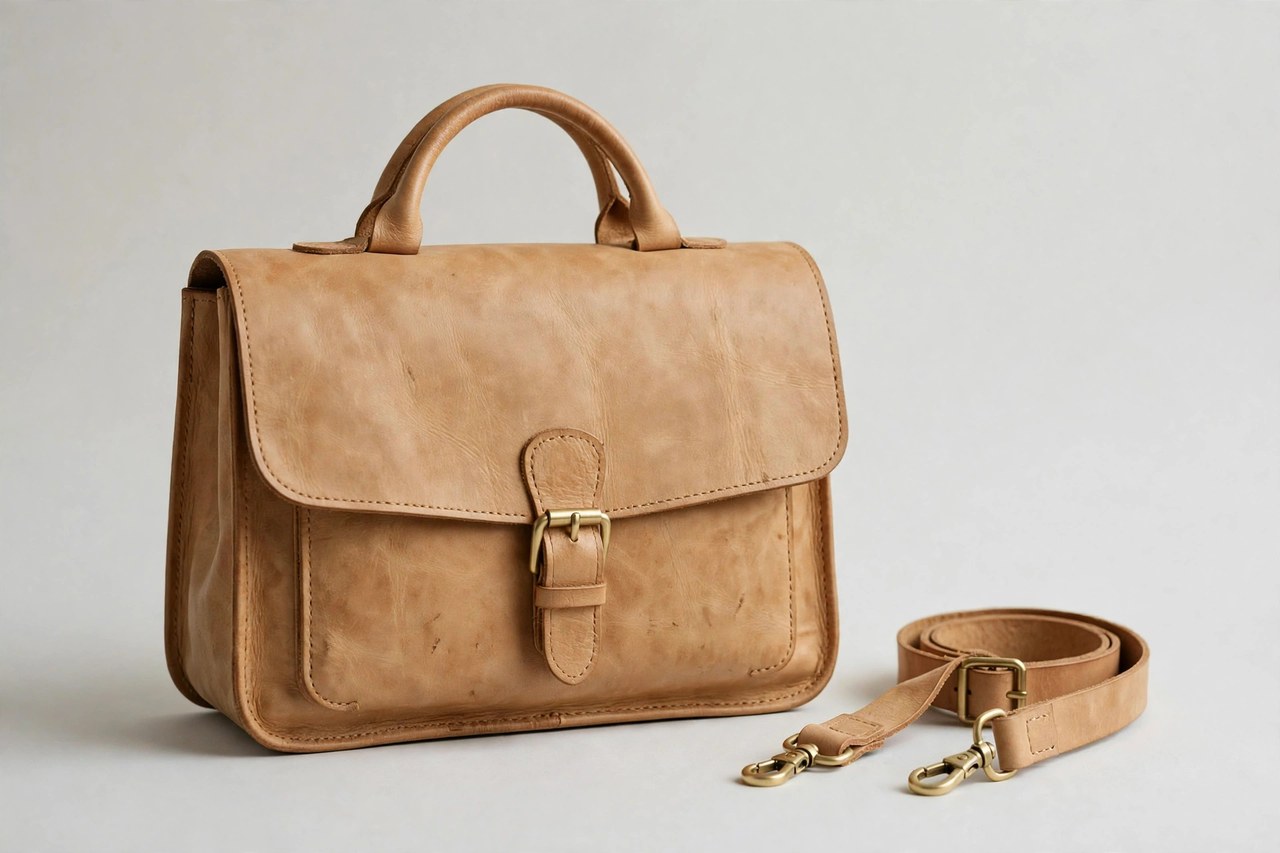
The satchel began as a schoolbag — a stiff leather bag with a flap, buckles and a handle, carried by generations of schoolchildren — and fashion adopted it almost unchanged: a structured handbag with a flat base, firm sides, short top handles, and a flap or zip closure, usually with a detachable shoulder strap. It is the most architectural of the leather bags, and this guide covers its structure, its leathers and its sizes. For the wider family, see the leather bags and leather handbags guides.
A satchel's whole appeal is that it holds its shape empty or full, stands upright on a desk, and keeps contents visible and uncreased — the handbag as a small piece of luggage.
Structure and Closures
A true satchel is built on a reinforced base and side panels, often with an internal frame or stiffeners between leather and lining. The classic closure is the flap with buckle straps — on modern bags the buckles are usually decorative over a magnetic snap, which is a sensible compromise. Zip-top satchels trade a little formality for security. Handles are rolled or padded and anchored through the body of the bag; the shoulder strap clips to reinforced rings, because a satchel is often carried heavy.
Sizes run from mini satchels (a phone, purse and not much more — the shape as a fashion gesture) through the medium everyday size to the large satchel that takes a 13-inch laptop and files. Judge by what must go in flat: a satchel that forces papers to curl has failed at its one job.
The Leathers of the Satchel
The traditional satchel leather is vegetable-tanned cowhide — firm, thick and burnishable, starting pale tan and darkening to a deep honey with years of handling. It scratches visibly and the scratches polish into the patina; owners either love that biography or should choose otherwise. Soft satchels in chrome-tanned or grained leather keep the silhouette but slouch a little with use, weigh less, and come in colors veg-tan rarely offers. Saffiano and embossed leathers make the most water- and scuff-resistant work satchels.
Whatever the leather, check the flap: it should fold along its crease without cracking or whitening, and its underside should be finished — suede or leather — not raw board.
Carrying and Care
Alternate the top handles with the shoulder strap to spread the wear, and do not overfill: a satchel's seams are loaded in tension by its own structure, and chronic overstuffing springs the shape. Store it stuffed with tissue, flap closed, in its dust bag; condition veg-tan leather as it darkens to keep the color even; and keep it off radiators, which dry one panel faster than the others and warp the bag. A well-made leather satchel is routinely a twenty-year bag.
Inside, a satchel rewards a little system: its flat, open interior takes pouches and cases better than loose small items, which migrate into the corners under the flap. A pen case, a zip pouch for cables and cosmetics, and the wallet placed against the back panel keep the bag's order through a workday, and the flat base means it unpacks onto a desk like the small luggage it is. That office manners is the satchel's modern job — of all the handbag shapes, it is the one that still behaves like the school and business bag it began as: structured, upright and ready.
More Leather Guides
Photos

Looking for Women's Clothing Stores?
This guide helps you choose women's leather satchels and structured handbags. To browse where to buy, visit our women's clothing store directory, where you can find retailers that carry them.