Women's Vintage Pants Guide
Vintage pants are women's trousers from earlier eras — 1940s wide-leg styles, 1950s pedal pushers and side-zip slacks, 1960s cigarette pants, 1970s flares and high-waist cuts — in wool, cotton, corduroy and synthetics.
Shop Women's Vintage Pants Now
Shop Women's Vintage Pants on Amazon Shop Women's Vintage Pants on eBayThe Amazon and eBay links on this page are affiliate links. If you make a purchase through them, Apparel Search may earn a commission.
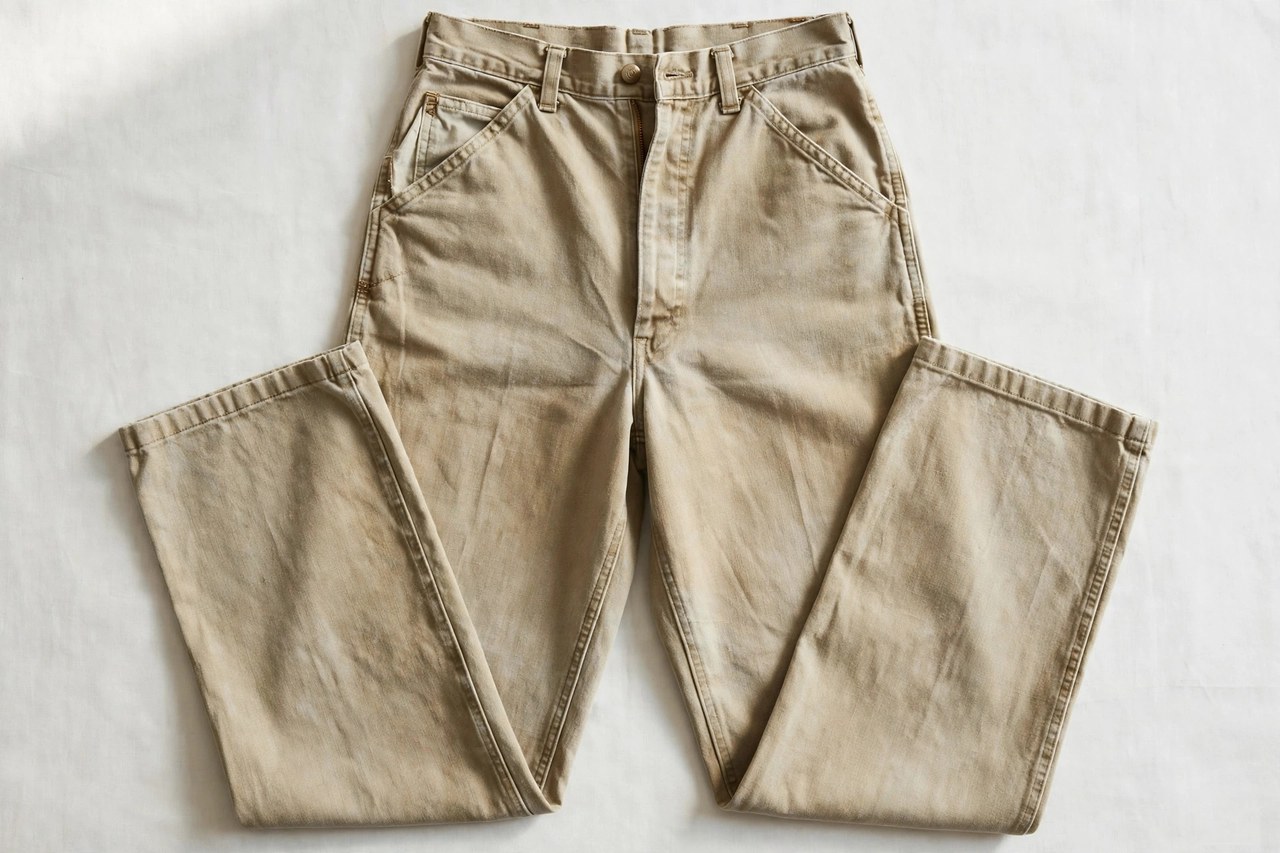
Vintage pants are women's trousers from earlier eras — 1940s wide-leg styles, 1950s pedal pushers and side-zip slacks, 1960s cigarette pants, 1970s flares and high-waist cuts — in wool, cotton, corduroy and synthetics. Trousers carry fit in three dimensions at once, so this guide concentrates on the vintage trouser measurements that matter — rise, waist position and leg shape by era — and on the closure styles (side zips, back zips, button flies) that date and distinguish them.
This guide covers vintage pants in the order a careful buyer needs it: what the product is made from, how it is constructed, how it should fit, how to choose it for real use, and how to care for it so it lasts. Apparel Search has published guides to women's clothing for decades, and this rebuilt page keeps the subject focused — measurable details, named materials and checks you can perform in a shop or on a parcel's arrival, rather than general fashion language.
Fabrics and Construction of the Era
Vintage garments were made from the fibres and cloth of their time — rayon and silk in the early decades, nylon and the new synthetics from the 1950s, polyester at its 1970s peak, and quality wool, cotton and linen throughout — and finished with era methods: bound and pinked seams, hand-set zips, lined bodices and generous seam allowances that modern production rarely matches at the same price level.
Construction is a vintage garment's evidence and its value: it dates the piece, and it decides whether the piece can be altered, repaired and worn. Read the inside of any vintage garment before its outside. The side zip is the vintage trouser's era signature: women's slacks closed at the side or back for decades because a front fly was considered menswear, so closure position is both a dating clue and a fit factor. Fastenings, labels and seam finishes each narrow the era, and together they are more trustworthy than style alone.
Era Sizing and Modern Fit
Vintage sizing does not map to modern sizing: mid-century labels can run two or more sizes smaller than today's, era cuts assumed era foundation garments, and individual garments have been altered across their lives. The only reliable language is measurement — the garment's own bust, waist, hip, length and any fit-critical dimension, compared with yours.
Fit a vintage garment to its hardest dimension and tailor the rest: bust and shoulder on tops, waist and rise on trousers, waist on dresses and skirts. Era seam allowances often allow letting out an inch or more — more generosity than modern clothes offer — and a tailor who works with old textiles is the vintage wearer's essential tradesperson.
Buying Vintage With Confidence
Choose vintage pants by measurable criteria in a fixed order: condition graded honestly (fibre soundness first, seams, fastenings, odour), measurements against your own, alteration potential, and only then era and style. In practice, rank these checks in the order your own use demands — frequency of wear first, then weather, washing facilities and budget — because that order differs by wardrobe, and it is the real reason two careful buyers can correctly choose differently from the same rail.
Judge price by rarity multiplied by condition, not by age alone: common pieces in poor condition are cheap whatever their decade, and a sound, wearable garment in a sought-after style commands its price honestly. Buy the seller's evidence — measurements, flaw lists, clear photographs — and be wary of romance in place of facts.
Cleaning and Storage
Clean vintage gently and only as much as needed: many pieces need airing and spot care rather than washing, fragile fibres (old silk, early rayon) need specialists, and sturdy cottons, wools and nylons tolerate careful hand washing in cool water. Test colourfastness first, support a wet garment's weight, and never wring old fabric.
Store vintage clean, dry and dark: folded with acid-free tissue for heavy, beaded or fragile pieces, hung on padded hangers only for sound tailored garments, never sealed in plastic. Moths target soiled wool, light fades and weakens, and damp does everything at once — a cool, dark, dry cupboard is a vintage collection's whole preservation policy.
Common Questions
Why do vintage pants sit so high on the waist?
Because they were cut to the natural waist, often an inch or more above the modern high-rise. That changes which of your measurements matters: fit a vintage trouser to your natural waist and hip together, and expect the leg proportions — a longer rise — to feel different from any modern trouser you own.
How do I measure vintage pants before buying?
Ask for the flat waist measurement doubled, the front rise, the hip at its fullest point, and the inseam. Compare those four numbers with a trouser you own that fits; with era trousers, the rise is the figure most buyers forget and the one that most changes the fit.
Can vintage trousers be tailored?
Waists can be taken in modestly and legs hemmed or tapered by a tailor, but letting out is limited by era seam allowances, which in trousers are smaller than in dresses. Buy for the hip and rise — the hard dimensions — and tailor the waist and length, which are the easy ones.
Related Women's Guides
More to Explore on Apparel Search
Looking for Women's Clothing Stores?
This guide helps you choose women's vintage pants. To browse where to buy, visit our women's clothing store directory, where you can find retailers that carry them.