Women's Yellow Rain Boots Guide
Women's yellow rain boots keep feet dry in rubber or waterproof synthetics — and they are yellow on purpose: the most visible color to the human eye, on the days visibility matters most.
Shop Women's Yellow Rain Boots Now
Shop Women's Yellow Rain Boots on Amazon Shop Women's Yellow Rain Boots on eBayThe Amazon and eBay links on this page are affiliate links. If you make a purchase through them, Apparel Search may earn a commission.
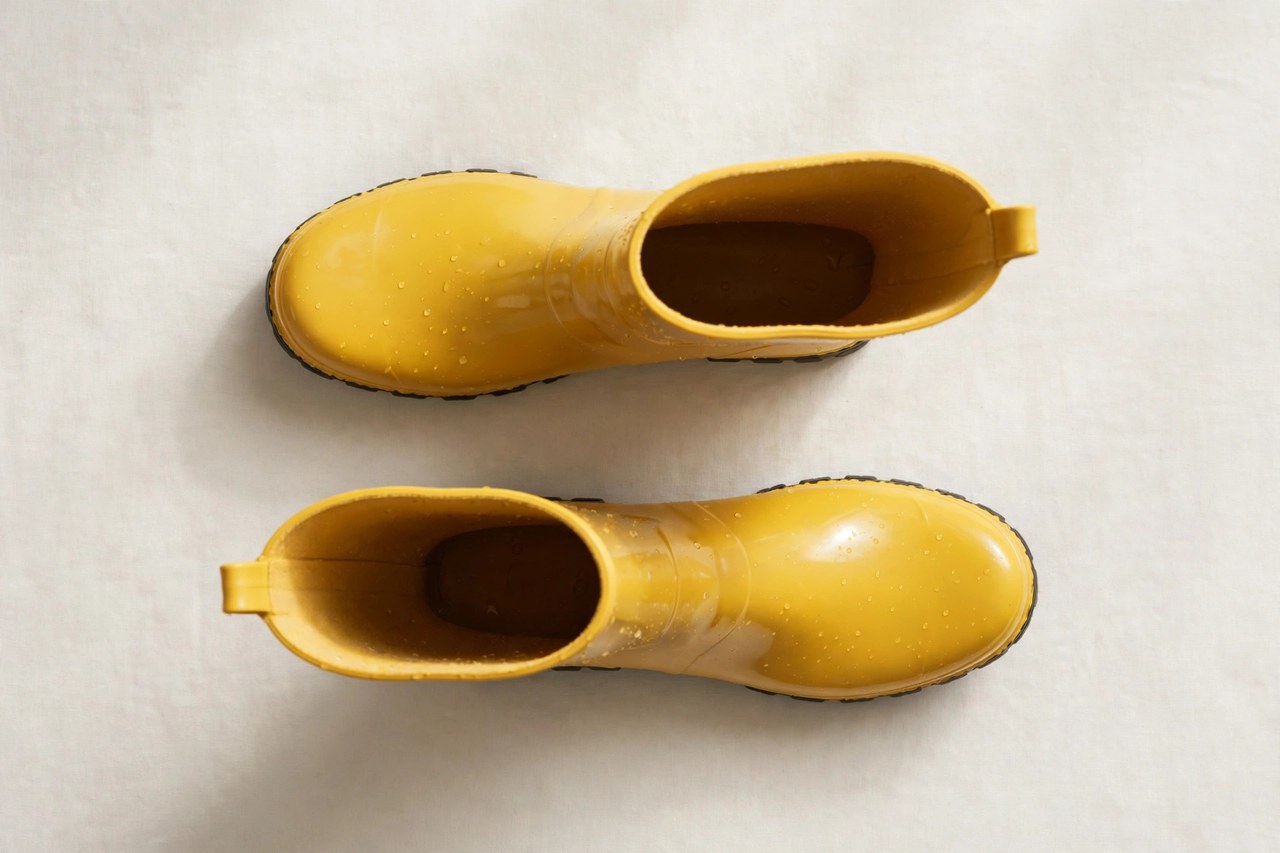
A women's rain boot is footwear made specifically for wearing in the rain or in wet environments: its whole job is to keep the feet dry. A boot in general covers the foot and the ankle, some styles part of the lower calf, and others up the leg as far as the knee — and rain boots use that coverage as weather protection, in rubber or modern waterproof synthetics, with sealed construction a fashion boot does not need.
The yellow version adds a second job. Women's yellow rain boots are produced yellow to improve visibility — and the reason is physiology, not fashion whim, as this guide explains alongside the practical questions of shaft height, soles, sizing and care.
Why Yellow, Specifically
Yellow is the most visible color to the human eye: the eye processes yellow first. When light hits an object, part is absorbed and part reflected; the reflected light reaches the retina's cones, which send signals the brain reads as color. The red and green cones are highly sensitive, and yellow excites both to almost peak intensity at once, while other parts of the eye reduce sensitivity to violet and blue light — making yellow appear the brightest color in the spectrum.
That is why yellow is the color chosen for rain boots, and why safety clothing so often shares the color. When it is raining, visibility is poor for everyone, and it matters that your boots grab attention on cloudy days — being seen by cyclists, cars and pedestrians is a real part of what rain footwear is for. We do not always want people looking at our feet, but on a flooded crossing, bright is a feature.
Construction: Keeping Water Out
Judge a rain boot by its waterproofing system. Traditional rubber boots are effectively a single molded or vulcanized shell; modern versions add neoprene shafts that flex and insulate, waterproof membranes in leather-look styles, and sealed or gusseted openings at the top so water cannot slop in over the rim. The goal is a boot that is not merely water resistant but completely waterproof — a distinction that matters at the first deep puddle, which always arrives at ankle depth or worse.
Soles are the safety half of construction. Wet pavement, leaves and painted crossings are slick; a lugged rubber outsole with real tread depth grips where a smooth fashion sole skates. A distinguishable heel, standard on most boots, helps on mud and gravel. Inside, a removable insole speeds drying after a soaking day, and a textile lining keeps rubber from feeling clammy against the leg.
Shaft Height and Sizing
Ankle rain boots suit city showers and pack small; mid-calf is the commuter's compromise; knee-high shafts earn their bulk for country mud, gardening and true downpours where trousers would otherwise soak to the knee. Match height to where your rain actually happens, and remember that a taller shaft is also a warmer one in summer storms.
Size with the socks you will actually wear: rain boots are usually worn over medium socks, and many run generous because they were patterned for them. You want a thumb's ease at the toe and a heel that lifts only slightly as you walk — a boot that sucks off in mud is too big, and one that traps the calf will not be worn twice. Calf circumference is a stated measurement on better listings; use it.
Wearing and Caring for Them
Yellow boots are the natural partner of the yellow raincoat in this letter — the full high-visibility set — and they also work as the single bright element with dark rainwear, which is how most city wearers style them. The wider rainwear and raincoat guides in R, linked below, cover the system around them.
Care is simple: rinse mud off before it dries, air the boots upright and unforced — never on a radiator, which cracks rubber — and store them standing, out of sunlight, which perishes rubber over time. A boot dried properly between wears will not develop the mildew smell that ruins more rain boots than leaks do.
Common Questions
Why are rain boots so often yellow?
Because yellow is the most visible color to the human eye - it is processed first, exciting the red and green cones in the retina to almost peak intensity together, so it appears brightest in the spectrum. In rain, when visibility is reduced for drivers, cyclists and pedestrians, yellow boots and coats are a safety choice, not only a fashion one.
What shaft height of rain boot do I need?
Match it to your rain. Ankle boots handle city showers and pack easily; mid-calf is the commuter compromise; knee-high shafts are for deep puddles, mud and downpours that would soak trousers to the knee. Taller is more protection but warmer and bulkier, so buy for the wettest day you actually face regularly.
Should rain boots fit like regular boots?
Slightly roomier - they are patterned to be worn over medium socks. Aim for a thumb's ease at the toe and only slight heel lift as you walk. Check the stated calf circumference against your own leg for mid-calf and knee styles; a boot that traps the calf or pulls off in mud is the wrong size however good it looks.
More in Women's Clothes Guide Y
Boots, Rain and the Color Yellow
A boot is footwear covering the foot and ankle, some styles part of the lower calf and others as far as the knee or hip, most with a heel distinguishable from the sole, traditionally of leather or rubber — and a women’s rain boot is one made specifically for rain and wet environments, to keep the feet dry, at least water resistant and hopefully completely waterproof. Yellow is the most visible color to the human eye and is processed first, because it excites the retina’s red and green cones to almost peak intensity while sensitivity to violet and blue falls away — which is why yellow boots are produced to improve visibility and grab attention on cloudy, rainy days, when being seen by cyclists, cars and pedestrians matters.
Photos

More to Explore on Apparel Search
Looking for Women's Clothing Stores?
This guide helps you choose women's yellow rain boots that stay waterproof and visible. To browse where to buy, visit our women's clothing store directory, where you can find retailers that carry them.